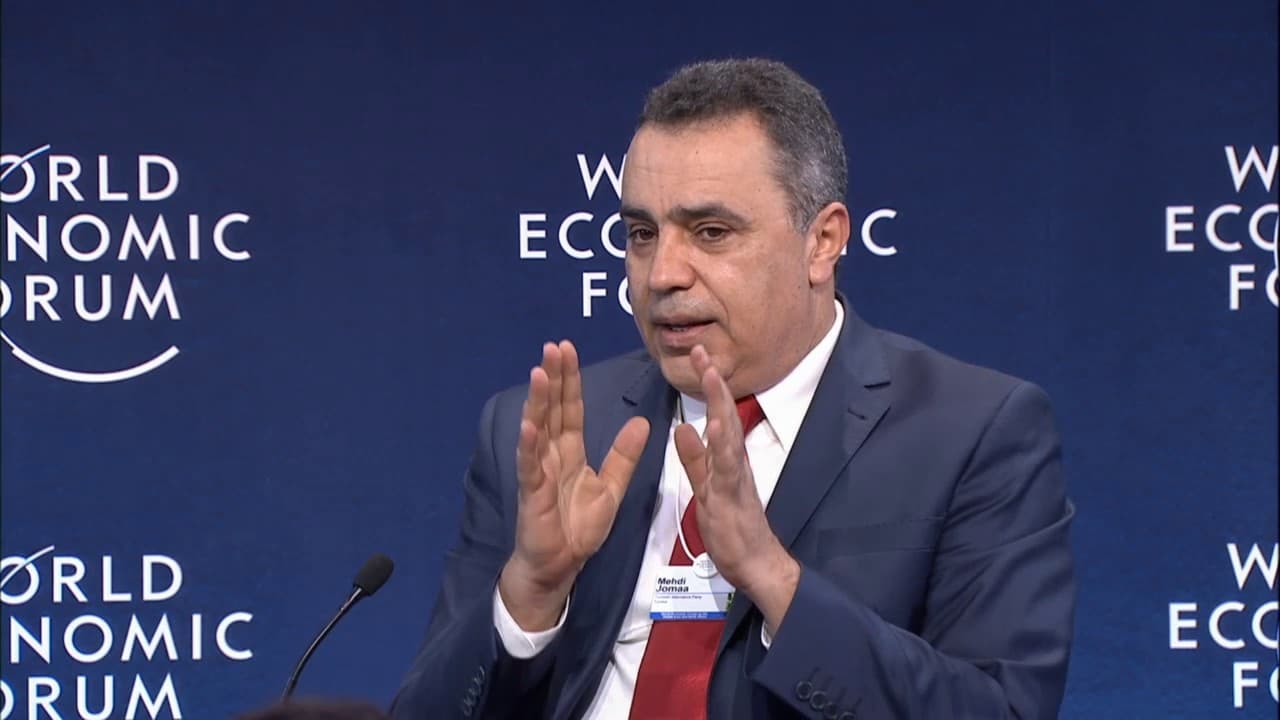
Jordan 2017 - Leadership Imperative Making Reforms Work
TL;DR
Understanding the importance of ongoing reforms for successful experiences in the MENA region.
Transcript
good morning to all I would like to welcome you to the session that is entitled the leadership in imperative making reforms work I am from Sky News and I am on negative and this session is organized by Sky News and West I have been working on this topic since 2004 and 2005 and this term has always been used in all the sessions that I used to work o... Read More
Key Insights
- ⚖️ Reforms focus on a strategic balance between state administration, stakeholder engagement, and gradual approaches for a successful transformation.
- 👮 Transparent laws, simplified regulations, and active dialogues between the public and private sectors are essential for effective reform implementation.
- 🦮 The role of the state needs to shift from a managerial to a strategic guide to unleash potential energies and overcome obstacles in the reform process.
- 💍 Engaging youth, promoting optimism, and emphasizing the strength derived from weaknesses are crucial elements to drive successful reforms.
- 🥺 Reforms should lead to an improved decision-making process, participatory engagement, and consensus-building among all stakeholders to achieve sustainable outcomes.
- ❓ The importance of ongoing, comprehensive reforms to address modern challenges such as the digital revolution for successful transformations in the MENA region.
- 🏛️ Collaboration between government, private sector, civil society, and stakeholders is vital to ensure effective reforms and consensus-building for lasting positive change.
Install to Summarize YouTube Videos and Get Transcripts
Explore YouTube Video Summarizer or Get YouTube Transcript Extractor
Questions & Answers
Q: Why are successful reform experiences limited in the MENA region?
Successful reform experiences are limited due to the need for comprehensive studies, stakeholder engagement, and effective implementation mechanisms to ensure a win-win outcome.
Q: How did Tunisia approach energy reform successfully?
Tunisia approached energy reform by conducting sector-specific studies, engaging stakeholders, explaining the need for reform, and implementing strategic changes gradually.
Q: How does the private sector perceive and adapt to reforms?
The private sector focuses on easing regulations, implementing clear laws, encouraging stability, and ensuring consumer satisfaction as part of their successful adaptation to reforms.
Q: Why is ongoing reform essential in the face of modern challenges?
Ongoing reform is crucial to address modern challenges like the digital revolution, ensuring adaptability, stakeholder engagement, and a progressive approach to keep up with changing dynamics.
Summary & Key Takeaways
-
Reforms focus on government, political parties, and societal aspects for successful outcomes.
-
Tunisia's successful energy reform example involved in-depth studies, stakeholder engagement, and implementation mechanisms for a win-win situation.
-
The need for ongoing, comprehensive reform to address modern challenges, such as digital revolutions.
Read in Other Languages (beta)
Share This Summary 📚
Summarize YouTube Videos and Get Video Transcripts with 1-Click
Try YouTube Summary with ChatGPT & Claude or YouTube Transcript Generator
Explore More Summaries from World Economic Forum 📚
Summarize YouTube Videos and Get Video Transcripts with 1-Click
Try YouTube Summary with ChatGPT & Claude or YouTube Transcript Generator