What Are the Economic Super Cycles and Their Impact?
TL;DR
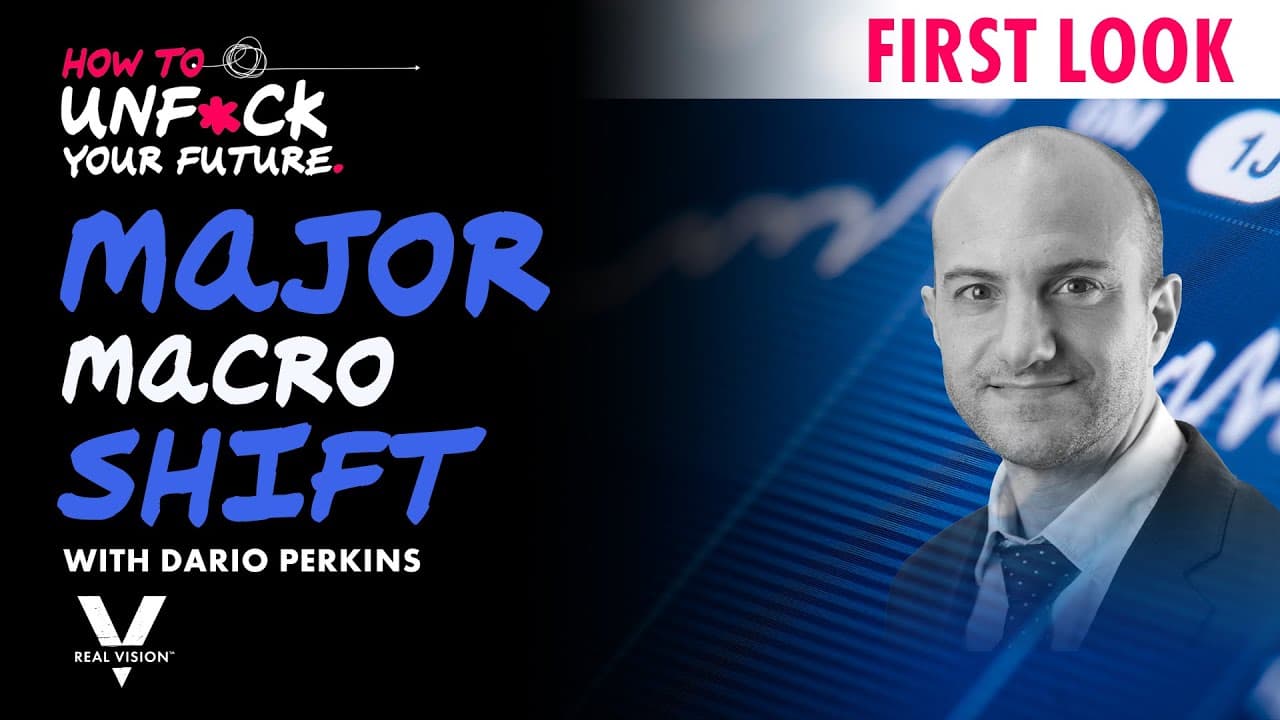
Economic super cycles involve the shifting balance of power between labor and capital, influencing long-term trends in the global economy. Historically, these cycles fluctuate between periods dominated by either labor or capital, often coinciding with major events like wars and political movements. Currently, neoliberalism and globalization are shaping investment strategies and economic policies as we approach a potential turning point.
Transcript
short term it's all about volatility it's all about distortions it's all about recession risk it's all about the sort of flipping of the pendulum between recession and and you know no Landing scenarios but when you look beyond that I think we will see that something subtly different has actually emerged from all of this and ultimately you know it's... Read More
Key Insights
- ✊ Shifts in economic power between labor and capital drive long-term economic super cycles.
- 🫱 Historical events like wars and political movements have influenced economic power dynamics.
- 🌐 Current economic trends in neoliberalism, globalization, and financialization shape the global economy.
- 😘 The regime of low interest rates and inflation has impacted investment strategies and stock market behavior.
- ☠️ Negative interest rates may signal faults in the current macroeconomic policy mix.
- 🔬 Shifting dynamics in labor and capital influence policies around employment, wages, and inequality.
- 😥 The global economy is at a turning point with potential shifts towards fiscal dominance and new economic regimes.
Install to Summarize YouTube Videos and Get Transcripts
Explore YouTube Video Summarizer or Get YouTube Transcript Extractor
Questions & Answers
Q: How do shifts in economic power between labor and capital influence global economic cycles?
The balance of power between labor and capital determines dominant economic policies and trends over long-term super cycles, impacting wages, inequality, and overall economic stability.
Q: What are the key historical events that have driven shifts in economic power between labor and capital?
Events such as the World Wars, emergence of neoliberalism, globalization, and financialization have influenced economic power dynamics, leading to shifts in policies and economic structures.
Q: How has the current economic regime, characterized by low interest rates and inflation, impacted investment strategies?
The regime of low interest rates and inflation has driven a focus on bond-equity portfolios, creating correlation benefits and driving specific stock market trends, such as growth outperforming value stocks.
Q: What signals indicate a potential breakdown of the current economic regime?
Negative interest rates and unusual market behaviors, like the continuous outperformance of certain stock sectors, may signal a breakdown in the current economic regime and the need for policy adjustments.
Summary & Key Takeaways
-
Short-term focus on recession risks and market volatility due to shifts in economic power between labor and capital.
-
Historical context of three super cycles since the 1870s, dominated alternately by capital and labor.
-
Recent trends of neoliberalism, globalization, and financialization have shaped the current economic landscape.
Read in Other Languages (beta)
Share This Summary 📚
Summarize YouTube Videos and Get Video Transcripts with 1-Click
Try YouTube Summary with ChatGPT & Claude or YouTube Transcript Generator
Explore More Summaries from Real Vision 📚

Summarize YouTube Videos and Get Video Transcripts with 1-Click
Try YouTube Summary with ChatGPT & Claude or YouTube Transcript Generator