Popular Conspiracy Theories (2019)
TL;DR
Theories explore how memes influence marketing and consumer behavior.
Transcript
so before we start I just want to say that these are simply just theories and I am in no way stating that they are factual oh hey guys um if I look a little pale and deathly ill today well that's just because I'm ugly and I'm sure in today's video I'm gonna be talking about a variety of theories from memes all the way up to one of these scariest th... Read More
Key Insights
- 🙈 Meme culture can significantly influence product sales and public perception, as seen with Apple's AirPods.
- 👤 Social media has transformed marketing into a more interactive experience, with companies leveraging user-generated content.
- 🎁 The "ten years challenge" potentially presents privacy risks, as it may assist companies in enhancing their facial recognition databases.
- 💉 Chronic diseases like chronic wasting disease highlight the public's need for awareness regarding wildlife and health risks.
- 💁 Consumers should be wary of sharing personal information on social platforms due to potential exploitation by corporations.
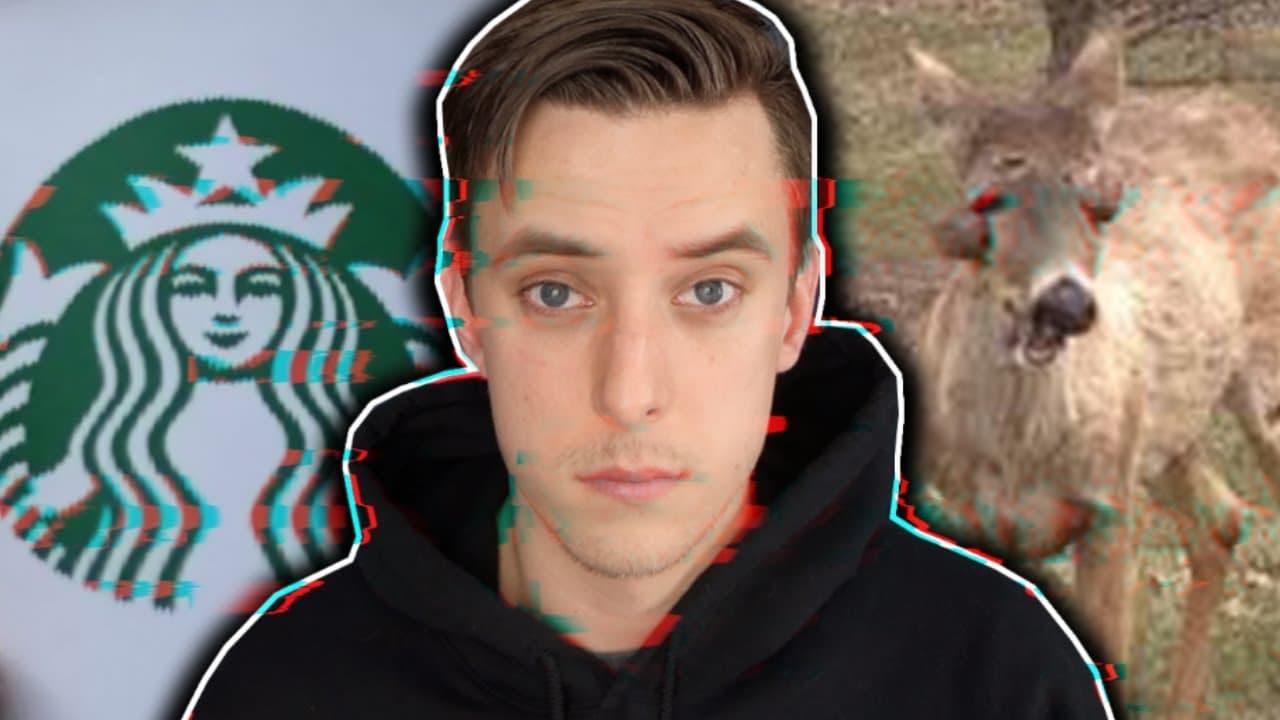
- 📛 Starbucks' marketing strategy may involve consumer participation in brand promotion through intentional misspellings of names.
- 💠 The Mandela Effect illustrates how collective memories can shape public understanding and branding, affecting consumer habits.
Install to Summarize YouTube Videos and Get Transcripts
Explore YouTube Video Summarizer or Get YouTube Transcript Extractor
Questions & Answers
Q: What was the original public perception of AirPods when they were launched?
Upon their release, AirPods faced a barrage of mockery, with people questioning their necessity and practicality. The memes surrounding them depicted the products as easy to lose and pointless, reflecting a general skepticism regarding their value. This negative buzz ultimately shifted as memes transformed the perception into a status symbol, significantly increasing their appeal and sales.
Q: How did memes change the narrative around AirPods and their marketing?
Initially mocked, AirPods became a viral sensation through memes. This shift created a new narrative, portraying AirPods as status symbols associated with wealth and social superiority. The timing of these memes aligned perfectly with seasonal shopping, suggesting that they played a pivotal role in boosting holiday sales and affirming Apple's marketing success.
Q: What is chronic wasting disease, and why is it concerning?
Chronic wasting disease affects deer, leading to neurological degradation, which results in bizarre behavior changes, such as consuming urine and feces. This disease spreads through bodily fluids, yet it can lie dormant for years without visible symptoms. The uncertainty surrounding its transmission to humans raises significant health alarms, reminiscent of horror narratives about zombie infections.
Q: How does the "ten years challenge" potentially benefit social media companies?
The "ten years challenge" encourages users to post old and new photos, potentially creating a rich dataset for companies like Facebook. This could improve facial recognition technology, as the photos offer curated timelines of individuals, delineating aging processes which could feed algorithms designed to track and recognize faces over time.
Q: What role does Starbucks play in modern marketing according to the theories discussed?
The theory suggests that Starbucks baristas may intentionally misspell customers’ names to encourage social media sharing. This creates organic advertising as patrons post photos with misspelled cups online, thereby enhancing brand visibility without traditional advertising campaigns, which arguably has helped cultivate Starbucks’ significant cultural presence.
Q: What fears are associated with Google and genetic information related to the "ten years challenge"?
There are concerns that Google could exploit publicly shared images and genetic information, particularly due to its investment in 23andMe. This potential linkage suggests a future where Google could have extensive datasets, tracking consumers' identities, preferences, and even genetic predispositions, leading to a profound invasion of privacy and ethical dilemmas.
Q: How does the Mandela Effect relate to perceptions of branding?
The Mandela Effect, where a large number of people remember something incorrectly, is illustrated through the misremembering of the adult diaper brand "Depends." Many recall it as "Depends," challenging the actual branding. This showcases how collective memory can distort reality, forming an interesting intersection between marketing, memory, and cultural references.
Q: What does the speaker imply about the future of marketing strategies?
The video suggests that as social media continues to influence consumer behavior, unconventional marketing tactics, such as meme-based strategies, may become more prevalent. This evolution in advertising could lead to increased engagement and brand loyalty, as consumers unwittingly partake in marketing while enjoying and sharing their personal experiences online.
Summary & Key Takeaways
-
The video discusses how Apple may have used memes to boost AirPods sales during holiday seasons, suggesting a strategic marketing ploy.
-
It presents the horrifying theory of "zombie deer disease," which poses unknown risks to humans from infected deer, highlighting eerie similarities to fictional zombie outbreaks.
-
The video examines the "ten years challenge" as a possible ploy by social media companies to gather data for facial recognition, raising privacy concerns.
Read in Other Languages (beta)
Share This Summary 📚
Summarize YouTube Videos and Get Video Transcripts with 1-Click
Try YouTube Summary with ChatGPT & Claude or YouTube Transcript Generator
Explore More Summaries from Nick Crowley 📚





Summarize YouTube Videos and Get Video Transcripts with 1-Click
Try YouTube Summary with ChatGPT & Claude or YouTube Transcript Generator