Is Inflation Cooling Fast Enough for the Fed?
TL;DR
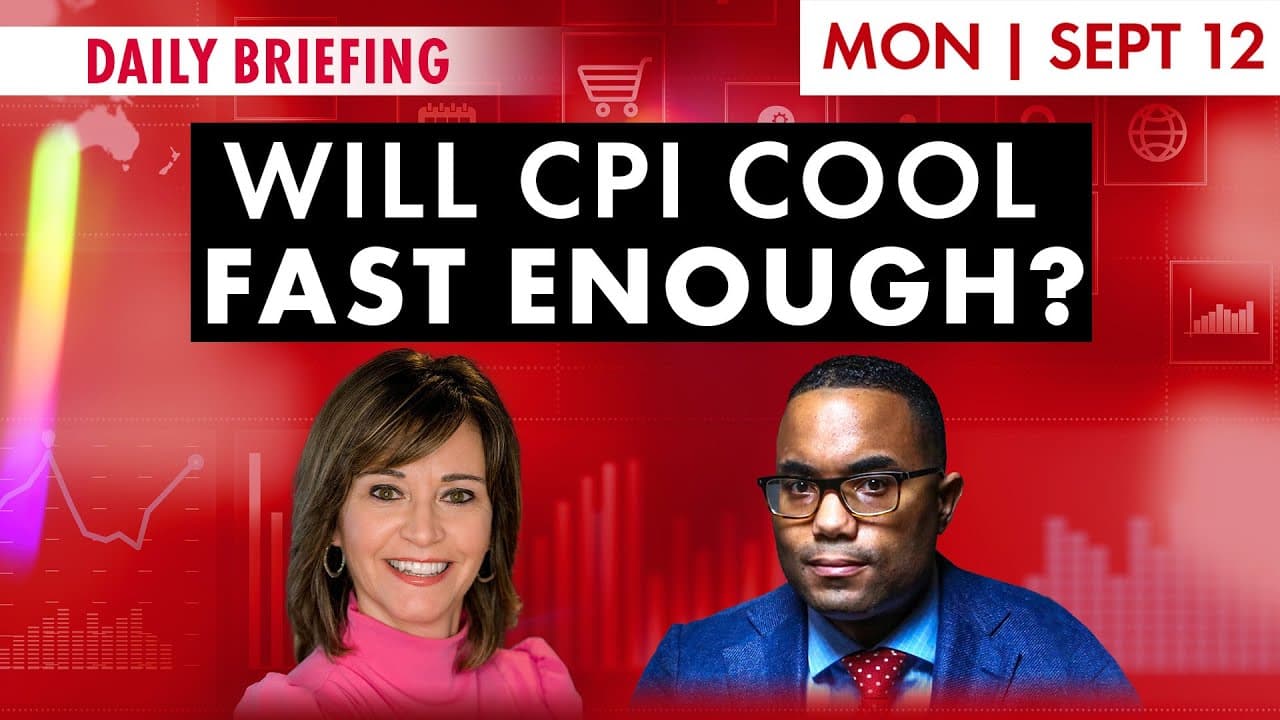
Gordon Johnson discusses the complexities of current inflation trends, highlighting key areas of concern.
Transcript
foreign slowing fast enough for the FED hi everyone Welcome to the Real Vision Daily Briefing with me today is Gordon Johnson of glj research I always I always get hung up on those on those letters together Gordon but this is the first time we've done the the daily briefing together so welcome it's great to see you I'm excited to be here thanks for... Read More
Key Insights
- ☠️ The Fed's focus on the rate of decline in inflation and the 2% target is crucial for economic stability.
- 👪 Potential moderation in inflation may come from the energy sector, while services, rent, and wages remain sticky components.
- 🎮 Balancing demand control with economic growth poses challenges for the Fed in navigating inflation trends.
- 🏍️ Historical data suggests caution in Fed actions to prevent recessions during hiking cycles.
- 🤑 Asset inflation from excessive money printing and government spending complicates inflation management.
- 🧑🏭 Impact of macroeconomic factors on asset classes indicates a shift towards a more diverse investment landscape.
- 📈 Real Vision's coverage of the macro environment provides insights and resources for understanding current economic trends.
Install to Summarize YouTube Videos and Get Transcripts
Explore YouTube Video Summarizer or Get YouTube Transcript Extractor
Questions & Answers
Q: What are the key indicators the Fed is monitoring to gauge inflation levels?
The Fed closely monitors the rate of decline in inflation, targeting a 2% inflation rate, as well as factors like energy prices, services inflation, rent, and wages to assess the overall economic climate.
Q: How does the Fed's strategy to temper demand impact inflation trends?
The Fed aims to control demand by moderating various economic factors like credit growth, wage growth, and wealth levels to bring down inflation rates, despite the challenges this may pose for individuals.
Q: Why does Gordon Johnson highlight the potential for a recession if the Fed initiates hiking cycles?
History shows that previous Fed hiking cycles have led to recessions, suggesting a cautious approach is needed to balance inflation and economic stability, which the current Fed's stance reflects.
Q: How does the rapid increase in the Fed's balance sheet impact inflation expectations?
The massive money printing by the Fed and government spending have inflated asset prices and encouraged inflation, posing challenges for managing inflation expectations and economic stability.
Summary & Key Takeaways
-
Gordon Johnson discusses inflation trends and expectations, emphasizing the importance of the rate of decline and targeting a 2% inflation rate.
-
He points out potential moderation coming from the energy sector but highlights sticky components in services, rent, and wages.
-
The discussion delves into the Fed's strategy to control demand and the challenges of balancing economic factors to mitigate inflation.
Read in Other Languages (beta)
Share This Summary 📚
Summarize YouTube Videos and Get Video Transcripts with 1-Click
Try YouTube Summary with ChatGPT & Claude or YouTube Transcript Generator
Explore More Summaries from Real Vision Daily Briefing 📚


Summarize YouTube Videos and Get Video Transcripts with 1-Click
Try YouTube Summary with ChatGPT & Claude or YouTube Transcript Generator