A Scientifically Accurate, Life-Sized Dinosaur Model
TL;DR
Researchers reconstruct dinosaur coloration based on melanocytes, while cone snail's fast-acting insulin inspires potential treatments for Type I diabetes.
Transcript
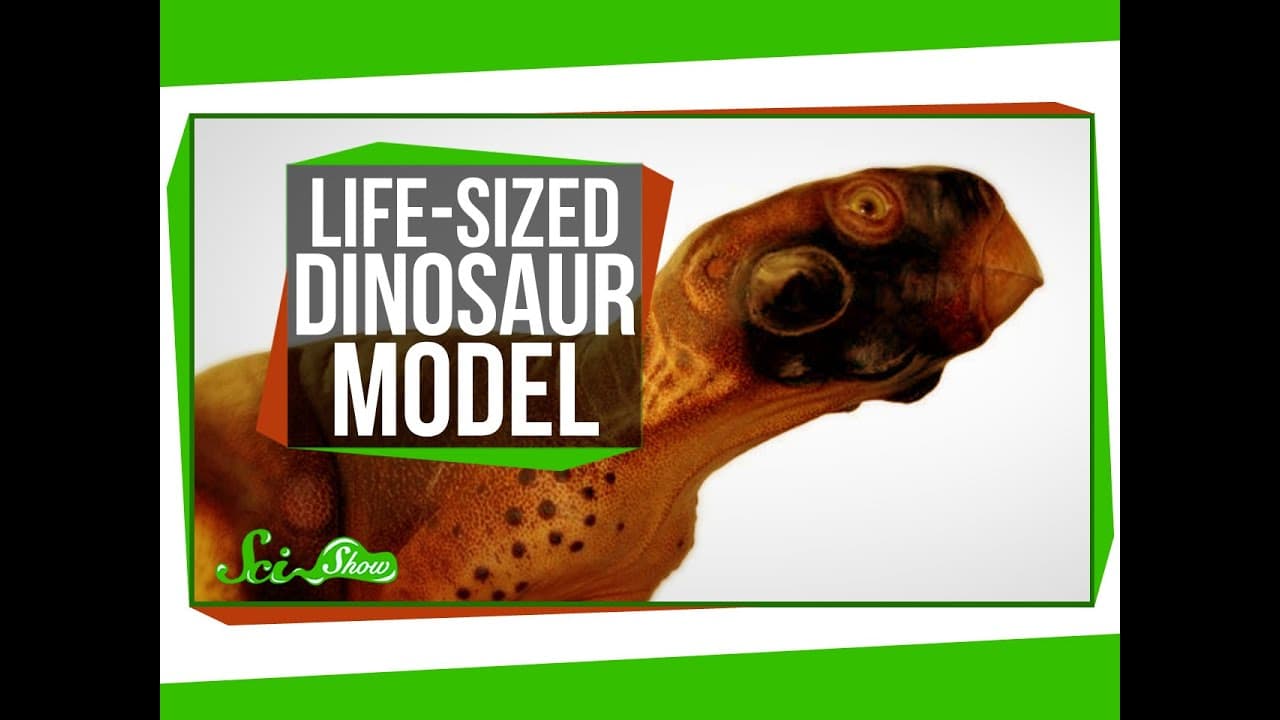
At some point, we’ve all wondered what dinosaurs actually looked like – especially their color patterns. Were they solid? Striped? Dappled? Covered in polka-dots? Many people thought we could never know for sure, but research published this week revealed what might be the most accurate dinosaur reconstruction ever made... And it’s particularly well... Read More
Key Insights
- ❓ Psittacosaurus coloration reconstructed with melanocytes reveals effective forest camouflage.
- 💨 Cone snail's fast-acting insulin mechanism offers insights into Type I diabetes treatment.
- 😷 Differences in snail-made insulin structure compared to human insulin provide potential medical benefits.
- 🙏 Study of Cone Snail insulin highlights protein folding adaptations for rapid receptor binding.
- 📤 Application of X-ray crystallography and molecular modeling crucial in understanding snail-made insulin function.
- 😷 Research on animal adaptations provides valuable insights for both paleontological and medical advancements.
- 😷 Cross-disciplinary studies in paleontology and biochemistry offer innovative solutions for understanding extinct species and developing medical treatments.
Install to Summarize YouTube Videos and Get Transcripts
Explore YouTube Video Summarizer or Get YouTube Transcript Extractor
Questions & Answers
Q: How did researchers reconstruct the coloration pattern of Psittacosaurus?
Researchers reconstructed Psittacosaurus coloration by analyzing well-preserved fossil melanosomes, designing a life-size model with 3D camouflage for forest environments.
Q: How does cone snail insulin stun fish for meals?
Cone snail injects specialized fast-acting insulin into the water, causing hypoglycemic shock in fish, allowing the snail to feast on its immobilized prey.
Q: Why is cone snail insulin considered for Type I diabetes treatment?
Snail-made insulin folds differently, lacking clustering ability but mimicking human insulin receptor binding, potentially offering rapid emergency treatment for hypoglycemic episodes.
Q: How can the knowledge from these findings benefit future research and medical treatments?
Understanding dinosaur coloration and snail-made insulin structure could inspire advancements in paleontological reconstructions and diabetes therapies.
Summary & Key Takeaways
-
Researchers reconstruct Psittacosaurus coloration based on well-preserved fossil melanosomes, revealing 3D camouflage in forests.
-
Cone snails utilize fast-acting insulin to stun fish for meals, potentially aiding in Type I diabetes treatment.
-
Scientists study snail-made insulin structure for potential rapid emergency treatments.
Read in Other Languages (beta)
Share This Summary 📚
Summarize YouTube Videos and Get Video Transcripts with 1-Click
Try YouTube Summary with ChatGPT & Claude or YouTube Transcript Generator
Explore More Summaries from SciShow 📚


Summarize YouTube Videos and Get Video Transcripts with 1-Click
Try YouTube Summary with ChatGPT & Claude or YouTube Transcript Generator