Why This Isn’t Like 2008 | Before & After | Refinitiv
TL;DR
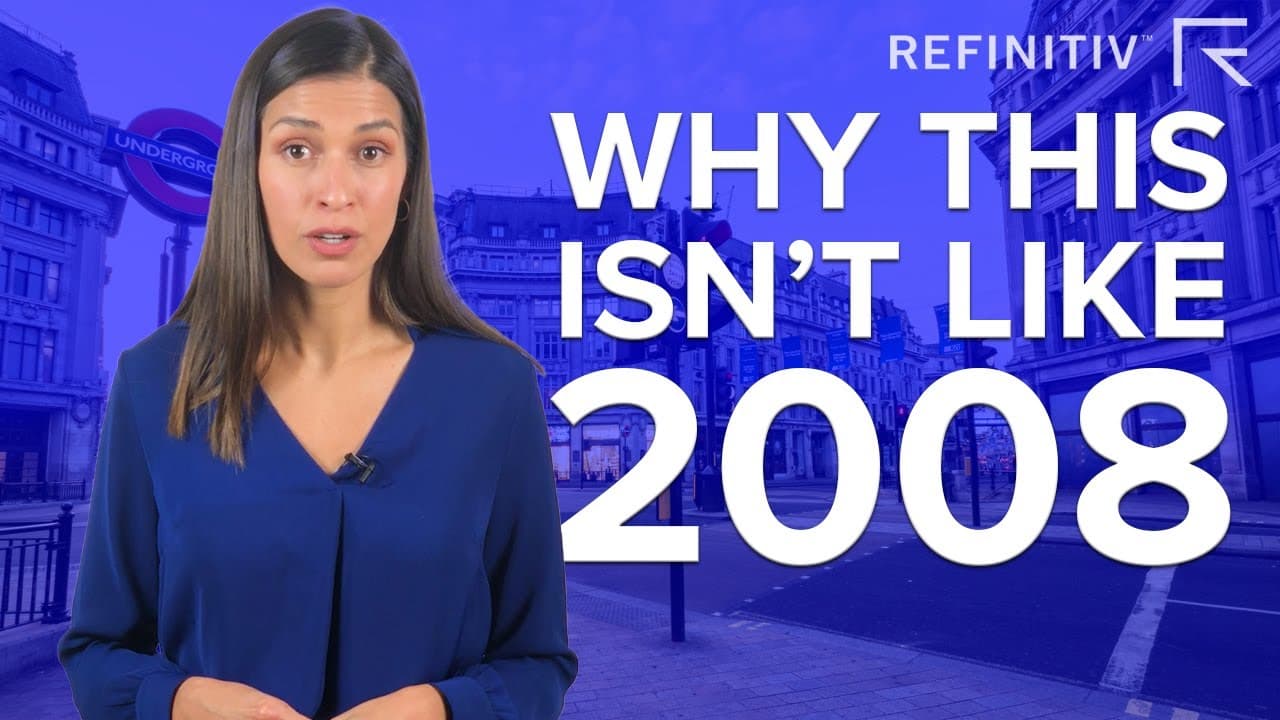
Comparison of TARP bailouts in 2008 and European banking crisis in 2020, highlighting impacts of COVID-19.
Transcript
This is Before and After from Refinitiv. I'm your host, Johanna Botta. Due to the Coronavirus pandemic we're filming all episodes for the time being in unique circumstances. So the look and feel will be slightly different, but the content itself will remain of the highest quality using the very latest Refinitiv data. Now, as I've said before, we kn... Read More
Key Insights
- 😫 TARP program during 2008 financial crisis stabilized banks, setting a precedent for government intervention.
- ❓ COVID-19 crisis in 2020 poses broader economic threats beyond the banking sector.
- 😀 European banking sector, especially Italy, faces escalating debt crisis amid COVID-19 lockdown.
- 🌐 Challenges of shadow banking stress, potential inflation surge, and need for coordinated response in current global crisis.
- 🫢 Timing and aim of economic stimulus are crucial amidst deflationary shock and potential inflation risks.
- 🌐 Differences between 2008 crisis focused on banks and 2020 crisis impacting entire global economy.
- ⚖️ Eurozone's stability hangs in the balance with potential for nationalizations amid economic shutdown.
Install to Summarize YouTube Videos and Get Transcripts
Explore YouTube Video Summarizer or Get YouTube Transcript Extractor
Questions & Answers
Q: What was the TARP program implemented during the 2008 financial crisis?
The Troubled Asset Relief Program (TARP) allowed the US government to purchase toxic assets from financial institutions to stabilize the financial sector during the mortgage crisis.
Q: How does the European banking sector, particularly Italy, face challenges in 2020?
Italy's high government debt and rising bond yields due to COVID-19 impact could lead to bank losses, raising concerns about the overall strength of the EU.
Q: What are the differences in the challenges faced in 2008 versus the current global crisis?
In 2008, the focus was on stabilizing banks, while in 2020, the entire global economy is at risk due to the COVID-19 pandemic, necessitating a broader and more comprehensive response.
Q: What are the potential consequences of injecting trillions of dollars into the economy during the current crisis?
There is a risk of an inflationary surge in essential goods if demand is supported while supply chains remain disrupted, highlighting the delicate balance needed in economic stimulus efforts.
Summary & Key Takeaways
-
2008 financial crisis led to TARP program for banks, while 2020 COVID-19 crisis affects global economy.
-
European banking sector, especially Italy, faces debt crisis amid Coronavirus lockdown.
-
Current challenges include shadow banking stress, potential inflation surge, and need for coordinated global response.
Read in Other Languages (beta)
Share This Summary 📚
Summarize YouTube Videos and Get Video Transcripts with 1-Click
Try YouTube Summary with ChatGPT & Claude or YouTube Transcript Generator
Explore More Summaries from Real Vision 📚

Summarize YouTube Videos and Get Video Transcripts with 1-Click
Try YouTube Summary with ChatGPT & Claude or YouTube Transcript Generator