Mark Post: Bioengineering Meat Is The Key to Survival
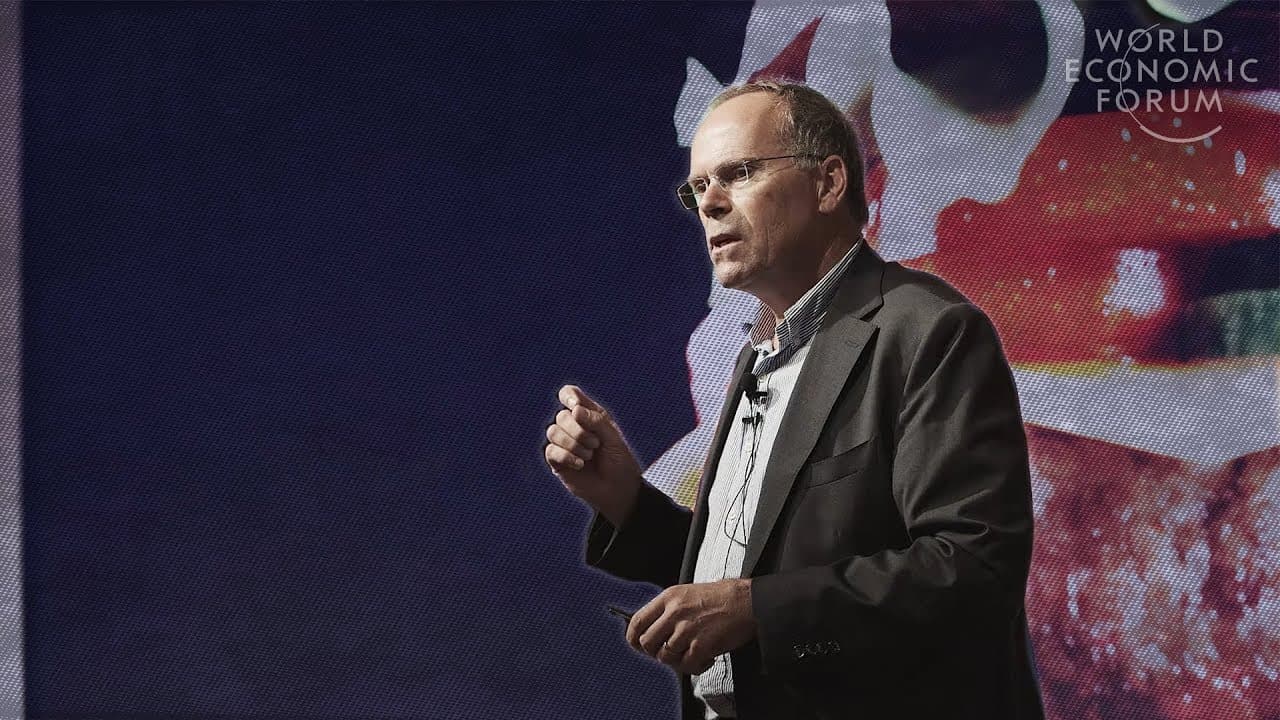
TL;DR
Cultured meat production offers a sustainable solution to environmental and ethical concerns in traditional meat production.
Transcript
there are many problems with the current meat production that we will soon encounter actually so if you think about a quarter-pounder hamburger which is a quarter pound of beef then seven pounds of grain go into them fifty gallons of water fresh water already alluded to go into them seventy square feet of land and about thousand BTU of energy that'... Read More
Key Insights
- 🍖 Traditional meat production consumes vast resources, contributing to environmental challenges.
- 😋 Cultured meat offers a sustainable alternative that addresses environmental concerns and food security issues.
- 🍖 Advancements in technology and scaling up production can make cultured meat more cost-effective and accessible.
- 🍖 Cultured meat production has the potential to revolutionize the meat industry, offering a more ethical and environmentally-friendly solution.
- 🖐️ Consumer acceptance and market demand play a crucial role in the future adoption of cultured meat products.
- 😋 Environmental impacts, ethical considerations, and food security concerns drive the need for sustainable meat production alternatives.
- 🍖 The potential of cultured meat to mimic traditional meat products while reducing environmental impacts highlights its promise as a viable alternative.
Install to Summarize YouTube Videos and Get Transcripts
Explore YouTube Video Summarizer or Get YouTube Transcript Extractor
Questions & Answers
Q: What are the environmental impacts of traditional meat production?
Traditional meat production requires vast resources like water, land, and energy, contributing to greenhouse gas emissions and threatening food security due to inefficiencies in converting plant proteins to animal proteins.
Q: How does cultured meat address these environmental challenges?
Cultured meat is produced from stem cells, reducing the need for vast land use, water consumption, and energy while offering a more sustainable alternative to traditional meat production methods.
Q: What are the key advantages of cultured meat over traditional meat?
Cultured meat has the potential to revolutionize the meat industry by reducing environmental impacts, addressing ethical concerns, and offering a sustainable solution to meet the growing demand for meat globally.
Q: How can cultured meat production be made more cost-effective?
While currently expensive, advancements in technology and scaling up production can help reduce costs and make cultured meat a viable and accessible option for consumers in the future.
Summary & Key Takeaways
-
Current meat production involves high resource consumption, contributes to greenhouse gas emissions, and threatens food security.
-
Cultured meat is produced from stem cells, offering a more efficient and environmentally-friendly alternative.
-
Despite challenges in scaling and cost, cultured meat has the potential to revolutionize the meat industry.
Read in Other Languages (beta)
Share This Summary 📚
Summarize YouTube Videos and Get Video Transcripts with 1-Click
Try YouTube Summary with ChatGPT & Claude or YouTube Transcript Generator
Explore More Summaries from World Economic Forum 📚
Summarize YouTube Videos and Get Video Transcripts with 1-Click
Try YouTube Summary with ChatGPT & Claude or YouTube Transcript Generator