Haley's Out, Facebook & Instagram Update, Surviving Civil War w/ Andy Stumpf | PBD Podcast | Ep. 376
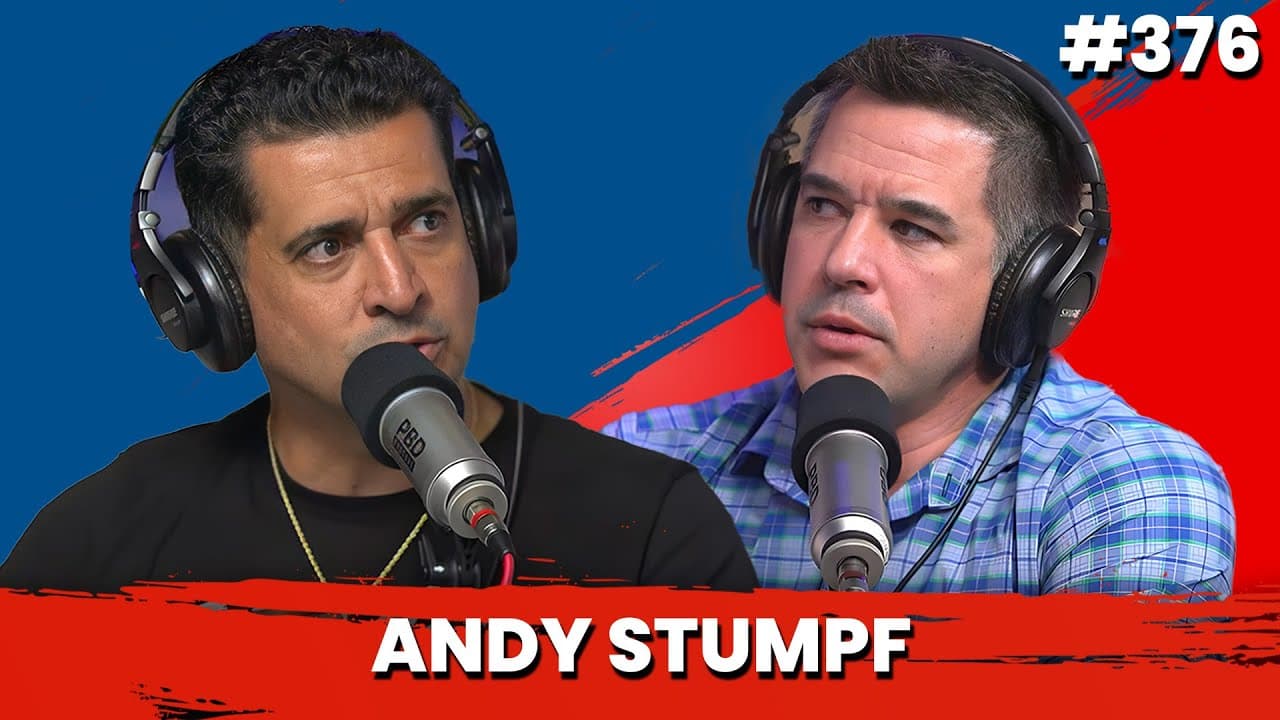
TL;DR
A former Navy SEAL discusses experiences, challenges, and perspectives on military service and leadership.
Transcript
I know me why would you bet on Goliath when we got bet David valueing giv values contagious this world are entrepreneurs we G no value to haters how run homie look what I become I'm I'm the one okay episode 376 and I want to start it off by challenging you guys to kind of take inventory of your resume because let me read today's guest resume so ima... Read More
Key Insights
- 🦭 The journey of a Navy SEAL involves intense training and mental resilience, as demonstrated by the guest's experiences during enlistment and deployment.
- 🔊 Leadership styles in military settings shift from authoritative and loud at lower levels to calm and collected at higher levels, showcasing the necessity for effective communication.
- 🐕🦺 The portrayal of military service in media often lacks authenticity, obscuring the real challenges faced by service members and the true nature of their sacrifices.
- 🐕🦺 Societal divisiveness can negatively affect military recruitment, highlighting the importance of a unified national narrative to promote service.
- 💉 Mental health support for veterans remains a critical issue, requiring ongoing awareness and dedicated resources to reach those in need.
- 🛟 Veterans have valuable skills and experiences that can benefit them in civilian life, emphasizing the need for targeted programs and community support.
- 🐕🦺 The benefits of military service extend beyond combat roles, with many opportunities for education and personal growth.
Install to Summarize YouTube Videos and Get Transcripts
Explore YouTube Video Summarizer or Get YouTube Transcript Extractor
Questions & Answers
Q: What inspired you to enlist in the Navy at such a young age?
I always had a fascination with the military and admired the Navy SEALs. Enlisting at a young age was driven by my desire to serve my country and experience the challenges that come with it. I wanted to be a part of something greater than myself from an early age, leading to my decision to enlist even while still in junior high school.
Q: Can you explain the difference in leadership styles between various levels of military command?
Leadership styles vary significantly at different levels in the military. At lower levels, shouting and immediate authority enforcement is more common, while higher-level leaders often employ calm communication to maintain composure and allow for critical decision-making among their troops. This evolution promotes mutual respect and effective information exchange.
Q: What was your most challenging experience while serving, and how did you cope with it?
One of the most challenging experiences was landing on a target where we faced unexpected gunfire. I coped by focusing on my training and the mission, relying on the preparation and teamwork that had been instilled in us throughout our training. Mental resilience became crucial, and we supported each other through the high-stress environment.
Q: How do you view the current state of mental health support for veterans?
The mental health support system for veterans has made strides, but there’s still room for improvement. Many veterans face stigma or feel disconnected from available resources. It’s important to raise awareness about the challenges veterans face and ensure they receive adequate support and resources tailored to their specific needs.
Q: What are your thoughts on the portrayal of military service in media and films?
Media representation often romanticizes military service, which can lead to misunderstandings of the realities faced by service members. Authentic stories that capture both the challenges and the honorable aspects of service are essential for educating the public and providing a more accurate portrayal of military life.
Q: Do you think societal divisiveness is affecting military recruitment?
Yes, the growing divisiveness in society has likely impacted military recruitment. Young people seeing the current cultural climate may be deterred from joining. Promoting a united and supportive narrative about service and sacrifice could help re-engage potential recruits and foster a sense of pride in serving.
Q: What do you think needs to happen to make military service more appealing to today’s youth?
Efforts should focus on educating young people about the benefits of military service beyond combat, including vocational skills, leadership training, and educational opportunities. Showcasing positive role models and demonstrating the impact of service on personal growth can help shift the perception of military involvement.
Q: How can veterans transition successfully to civilian life?
Successful transition involves a combination of good planning and support. Veterans should seek out resources for job training, mental health support, and community integration. Building relationships with other veterans or supportive networks can also foster a smoother transition into civilian life.
Summary & Key Takeaways
-
The guest, a former Navy SEAL, shares his journey in the Navy, including enlistment at a young age, achievements, and deployment experiences, highlighting the challenging and dangerous nature of his missions.
-
The conversation emphasizes the mental and emotional toughness required in elite military roles, contrasting military training with other forms of physical training like UFC fighting, and discussing the importance of leadership styles.
-
Key themes include the significance of accountability, the impact of divisiveness in society, and the challenges faced by veterans transitioning to civilian life, underscoring the need for mental health support.
Read in Other Languages (beta)
Share This Summary 📚
Summarize YouTube Videos and Get Video Transcripts with 1-Click
Try YouTube Summary with ChatGPT & Claude or YouTube Transcript Generator