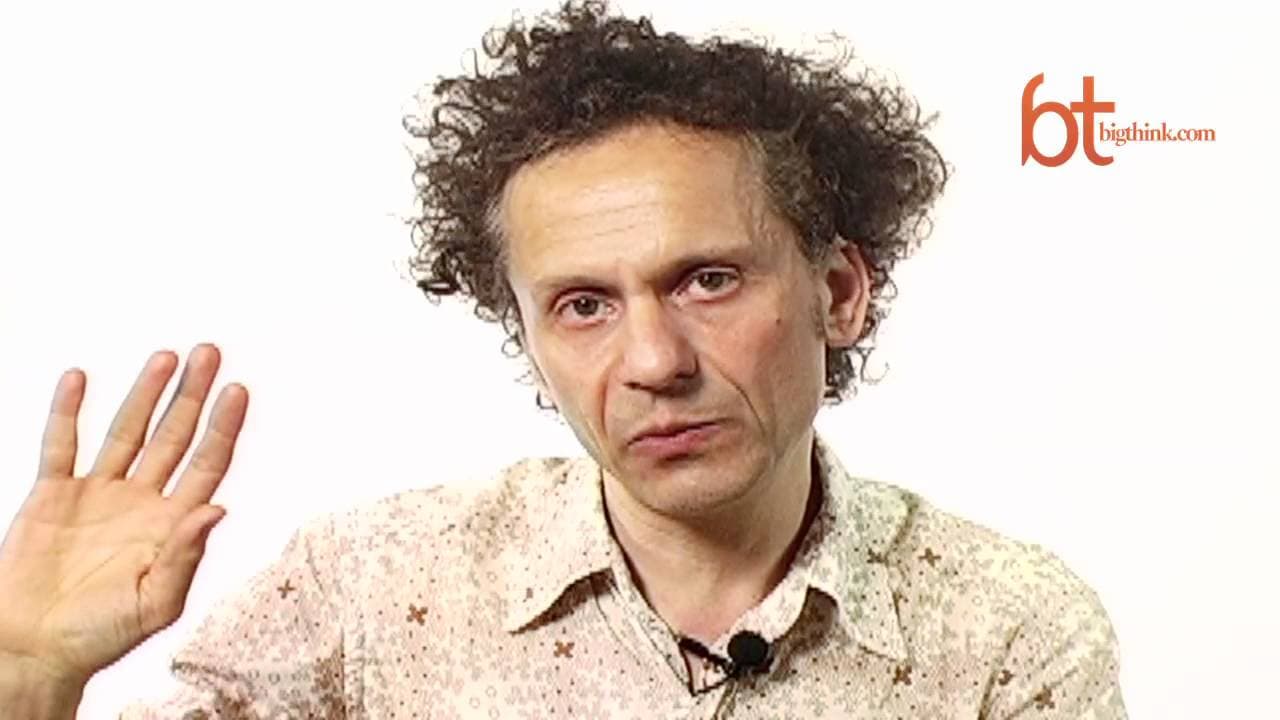
Big Think Interview With Hugh Raffles
TL;DR
Insects explored as anthropological subjects reveal captivating human encounters, challenging perceptions of vermin and beauty.
Transcript
what I wanted to study were insects but I wanted to study them as an anthropologist not as a biologist and I was trying to figure out if there was when I started I was trying to figure out if there was a way that I could actually well I was trying to figure out if I could actually find a way to to talk about insects and to think about insects as in... Read More
Key Insights
- ❓ Insects studied anthropologically provide insights into diverse human-insect encounters, challenging conventional biological perspectives.
- 🫵 Historical and cultural contexts shape perceptions of insects, oscillating between viewing them as vermin or companions throughout time.
- 💅 Beauty in insects is showcased through transformative natural phenomena and the intricacies of individual insects, inviting appreciation for their unique characteristics.
- 🐝 Social insects like bees offer intriguing insights into societal structures, displaying both rigidity and adaptability in their behaviors.
- ♻️ Insects' adaptability and ability to coexist with humans reveal their resilience and capacity for survival in various environments.
- 💅 The author's exploration of insect beauty underscores the aesthetic marvels found in even the smallest creatures, enriching perspectives on insect appreciation.
- ❓ Societal perceptions of insects, from vermin to companions, reflect broader cultural shifts and historical contexts impacting human-insect relationships.
Install to Summarize YouTube Videos and Get Transcripts
Explore YouTube Video Summarizer or Get YouTube Transcript Extractor
Questions & Answers
Q: How did the author initially plan to study insects differently from traditional biology?
The author wanted to approach insect study anthropologically, focusing on human-insect interactions rather than just biological aspects, leading to a unique perspective on insects.
Q: What role did social insects like bees play in shaping societal structures, according to the author?
Social insects like bees were used as models for societal organization during the Cold War, reflecting both rigidity and adaptability, challenging stereotypes through their flexible behaviors.
Q: How did societal perceptions of insects evolve, as showcased in the author's research?
The author shares historical shifts in viewing insects, from being considered nuisances to companions, demonstrating cultural fluctuations in human-insect relationships and perceptions.
Q: Why did the author explore the concept of beauty in insects, and what fascinating discovery did they make?
By observing butterflies transforming village homes with their presence, the author explored the transient beauty of insects, highlighting the captivating allure of individual insects upon close examination.
Summary & Key Takeaways
-
Insects studied anthropologically, not biologically, reveal intriguing human-insect interactions.
-
Perceptions of insects as vermin or companions are shaped by historical and cultural contexts.
-
Beauty in insects is highlighted through stunning natural phenomena and individual insect examinations.
Read in Other Languages (beta)
Share This Summary 📚
Summarize YouTube Videos and Get Video Transcripts with 1-Click
Try YouTube Summary with ChatGPT & Claude or YouTube Transcript Generator
Explore More Summaries from Big Think 📚




Summarize YouTube Videos and Get Video Transcripts with 1-Click
Try YouTube Summary with ChatGPT & Claude or YouTube Transcript Generator