Why Is It Important for Women to Run for Office?
TL;DR
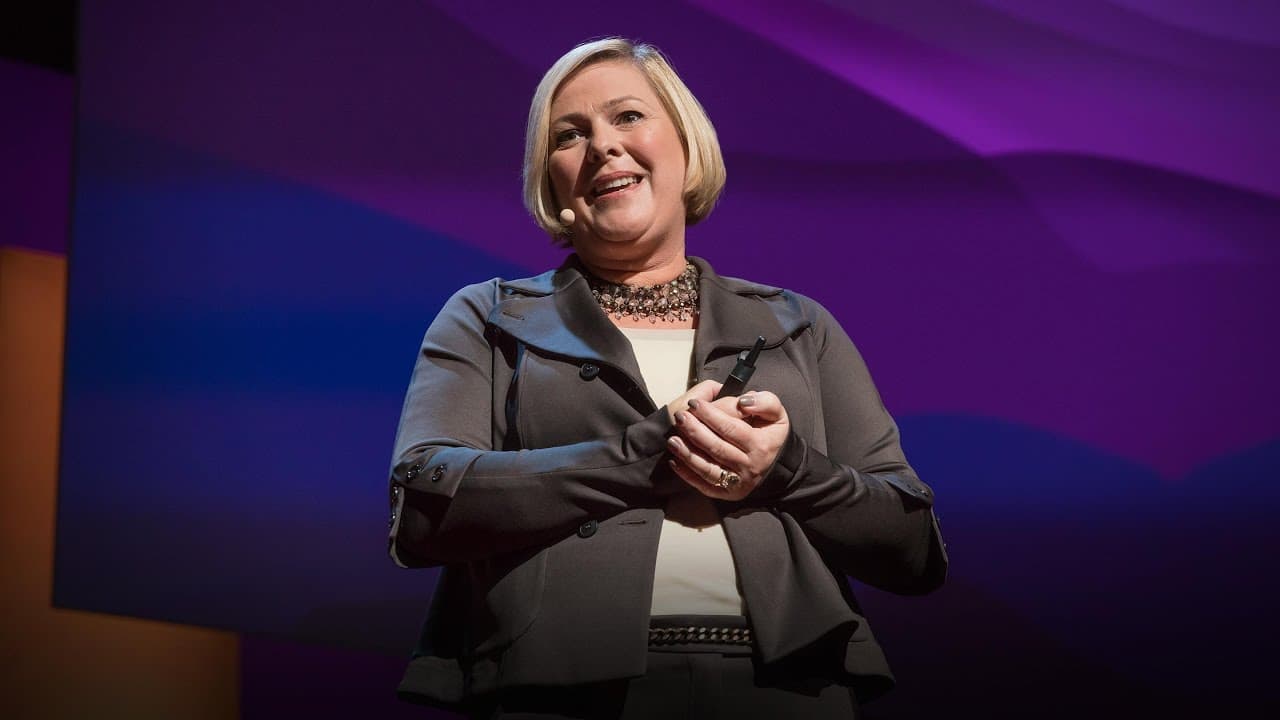
It's crucial for women to run for office to bridge the gender gap in leadership, as female candidates face unique challenges yet offer valuable perspectives. Halla Tómasdóttir's experience highlights the need for more women in politics; despite lacking traditional resources and experience, she garnered significant support and came in second in Iceland's presidential election, proving the impact of diverse leadership.
Transcript
I feel incredibly lucky to be from a country that's generally considered to be the best place in the world to be a woman. In 1975, when I was seven years old, women in Iceland went on a strike. They did no work that day, whether they held professional jobs or had the work of the home. They marched into the center of Reykjavík -- 90 percent of women... Read More
Key Insights
- 🌍 In Iceland, women's rights and gender equality are highly valued, with a historic strike in 1975 and the election of the first woman president in 1980.
- 💼 Women are less likely to consider running for political office compared to men, with a 16 percentage point gap. This is a missed opportunity for more diverse and principle-based leadership.
- 💪 Overcoming challenges in media, resources, and societal biases, Halla Tómasdóttir ran a positive and innovative political campaign, using social media, humor, and transparency to engage voters, especially young people.
- 💰 Money plays a significant role in politics, with candidates with more financial resources often having an advantage. However, even with fewer resources, Halla surprised everyone with her second-place finish, showing the power of determination and resilience.
- 👥 Surrounding oneself with a supportive team and nourishing practices is essential for success and maintaining energy throughout the campaign.
- 📢 Media bias exists, with women often receiving less airtime and less attention compared to male candidates. However, Halla received positive recognition for avoiding sexist comments about her appearance.
- 💡 Halla's 4G campaign principles - gagn (do good), gleði (joy), gagnsæi (transparency), and girlpower - guided her campaign, emphasizing servant leadership, enjoying the journey, openness, and the importance of women's empowerment.
- 💪 The fight for gender equality continues, with Icelandic women staging another strike to protest gender pay inequality. The work towards closing the pay gap and achieving full gender equality is ongoing.
Install to Summarize YouTube Videos and Get Transcripts
Explore YouTube Video Summarizer or Get YouTube Transcript Extractor
Questions & Answers
Q: Why did women in Iceland go on strike in 1975?
Women in Iceland went on strike in 1975 to demand equality and show the importance of their contributions to society, both in professional jobs and in domestic work.
Q: Who was the first country to democratically elect a woman as their president?
Iceland was the first country in the world to democratically elect a woman as their president, with President Vigdís Finnbogadóttir winning the election.
Q: Why did the speaker decide to run for president despite not having any political experience?
The speaker decided to run for president because she believed that the world needed more women leaders and a more principle-based leadership in general. She wanted to be part of creating a world that made sense and was sustainable for future generations.
Q: What challenges did the speaker face during her presidential campaign?
The speaker faced challenges with media, muscle, and money during her presidential campaign. She had difficulty getting access and airtime in media compared to the leading candidate. She also had less financial resources and lacked the support of a political party.
Q: How did the speaker's campaign innovate and overcome challenges?
The speaker's campaign ran its own media through live Facebook sessions and used Snapchat to reach young voters. Despite facing challenges, they ran a positive campaign, showed respect towards other contenders, and focused on transparency and establishing trust with voters.
Q: How did the speaker's campaign perform in the election?
Despite starting with only 1 percent in the polls, the speaker's campaign surprised everyone on election night, coming in second place with nearly a third of the vote. They beat the polls by an unprecedented margin of 10 percentage points.
Q: How did the speaker feel about her campaign and its impact?
The speaker felt proud of her campaign's performance, especially knowing that she earned proportionately higher support from young people. She also shared the heartwarming moments of seeing her daughter on TV and preschool girls kissing her campaign poster.
Q: What lessons did the speaker learn from her presidential campaign?
The speaker learned the importance of listening to her own voice, surrounding herself with a supportive team, and taking care of herself. She emphasized the value of going high when others go low and the power of authenticity, resilience, and perseverance.
Summary & Key Takeaways
-
In 1975, women in Iceland went on strike for equality and inspired a generation, leading to the election of the first woman president in Iceland.
-
Women are less likely to consider running for office than men, creating a gender gap in leadership roles.
-
Halla Tómasdóttir ran for president in Iceland, despite having no political experience, and surprised everyone by coming in second in the election. She emphasizes the need for women leaders and encourages women to go for positions of power.
Read in Other Languages (beta)
Share This Summary 📚
Summarize YouTube Videos and Get Video Transcripts with 1-Click
Try YouTube Summary with ChatGPT & Claude or YouTube Transcript Generator
Explore More Summaries from TED 📚

Summarize YouTube Videos and Get Video Transcripts with 1-Click
Try YouTube Summary with ChatGPT & Claude or YouTube Transcript Generator