Restoring human dignity at the US southern border | Norma Pimentel
TL;DR
Norma Pimentel advocates for humane treatment of immigrants at the US border.
Transcript
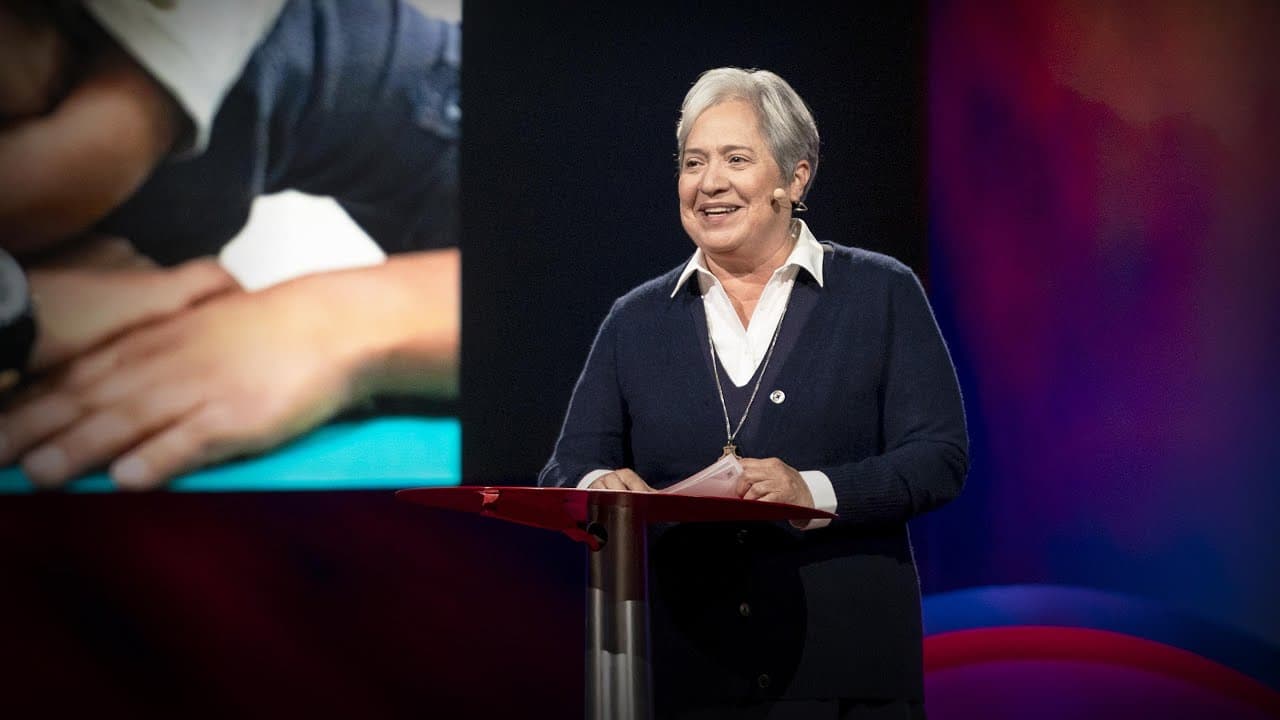
I'm here to honor the sacredness of life that I see at the border in south Texas. In 2014, I visited a detention facility where hundreds of little children, immigrant children, were detained for several weeks in conditions that were very heartbreaking. They were dirty and muddy and crying. Their faces were full of tears. I had the opportunity to go... Read More
Key Insights
- Norma Pimentel emphasizes the sacredness of life at the US-Mexico border, highlighting the need for compassion and humanity in immigration processes.
- In 2014, Pimentel witnessed heartbreaking conditions for immigrant children in detention, prompting her to advocate for their humane treatment and dignity.
- The humanitarian response in South Texas is remarkable, with thousands of volunteers and community members providing aid to immigrants crossing the border.
- Pimentel's work focuses on restoring human dignity, offering basic necessities like showers and clean clothing to immigrants in need.
- Personal encounters with immigrants are crucial in changing perceptions and reducing prejudice, as demonstrated by Pimentel's interactions with skeptics.
- Fear and negative media portrayals contribute to the dehumanization of immigrants, creating barriers to empathy and understanding.
- Pimentel argues for immigration policies that ensure safety without compromising humanity, advocating for respectful solutions to human suffering.
- The emotional reunions of separated families at the border underscore the shared humanity and need for compassionate responses to immigration issues.
Install to Summarize YouTube Videos and Get Transcripts
Explore YouTube Video Summarizer or Get YouTube Transcript Extractor
Questions & Answers
Q: What prompted Norma Pimentel to advocate for immigrants at the border?
Norma Pimentel was deeply moved by the heartbreaking conditions she witnessed in 2014 at a detention facility where immigrant children were held. The sight of young children crying and pleading for help inspired her to dedicate her efforts to restoring their dignity and advocating for humane treatment at the border.
Q: How has the South Texas community responded to the immigration situation?
The South Texas community has shown an incredible humanitarian response to the immigration situation. Thousands of volunteers, along with local government, business leaders, and faith communities, have come together to provide aid, offering basic necessities like food, clothing, and hygiene items to over 150,000 immigrants since the efforts began.
Q: What role do personal encounters play in changing perceptions about immigrants?
Personal encounters are crucial in changing perceptions about immigrants, as they allow individuals to see the humanity and stories behind the statistics. Norma Pimentel's experiences show that when people meet immigrants and hear their stories firsthand, it can lead to a significant shift in attitudes, reducing prejudice and fostering empathy.
Q: What challenges do immigrants face while waiting at the border?
Immigrants waiting at the border face numerous challenges, including harsh and inhumane conditions, prolonged separation from family members, and uncertainty about their future. Many are forced to endure months in difficult environments, which can lead to physical and emotional suffering as they await decisions on their immigration status.
Q: How does media portrayal affect public perception of immigrants?
Media portrayal often contributes to the dehumanization of immigrants by focusing on negative stereotypes and rhetoric. This can create fear and misunderstanding, leading the public to view immigrants as threats rather than individuals seeking safety and a better life. Norma Pimentel emphasizes the importance of overcoming these portrayals to foster empathy and understanding.
Q: What solutions does Norma Pimentel propose for immigration policies?
Norma Pimentel proposes immigration policies that ensure the safety of the country without losing humanity. She advocates for solutions that respect human life and alleviate suffering, emphasizing the need for procedures that do not contribute to the existing hardships faced by immigrants and that recognize their dignity and humanity.
Q: What impact do reunions have on immigrant families at the border?
Reunions have a profound emotional impact on immigrant families at the border. They often bring immense relief and joy, as family members who have been separated for months finally come together. These reunions highlight the shared humanity of immigrants and the importance of compassionate responses to their situations, reinforcing the need for policies that prevent unnecessary separations.
Q: What message does Norma Pimentel convey about fear and immigration?
Norma Pimentel conveys that fear is a significant barrier to empathy and understanding in immigration issues. This fear is often fueled by negative media portrayals, leading to dehumanization and prejudice. She emphasizes the importance of overcoming fear to recognize the humanity in immigrants, advocating for personal encounters and compassionate responses to foster a more inclusive and humane society.
Summary & Key Takeaways
-
Norma Pimentel advocates for the humane treatment of immigrants at the US-Mexico border, emphasizing the importance of recognizing the sacredness of life. Her work involves providing basic necessities and restoring dignity to those in need, highlighting the remarkable humanitarian response from the South Texas community.
-
Personal encounters with immigrants are vital in changing perceptions and reducing prejudice. Pimentel's experiences demonstrate the power of empathy and understanding in overcoming fear and negative stereotypes perpetuated by media portrayals, which often dehumanize immigrants.
-
Pimentel calls for immigration policies that balance safety with humanity, advocating for solutions that respect human life and alleviate suffering. Her efforts at the border emphasize the shared humanity of immigrants and the need for compassionate responses to their plight.
Read in Other Languages (beta)
Share This Summary 📚
Summarize YouTube Videos and Get Video Transcripts with 1-Click
Try YouTube Summary with ChatGPT & Claude or YouTube Transcript Generator
Explore More Summaries from TED 📚


Summarize YouTube Videos and Get Video Transcripts with 1-Click
Try YouTube Summary with ChatGPT & Claude or YouTube Transcript Generator