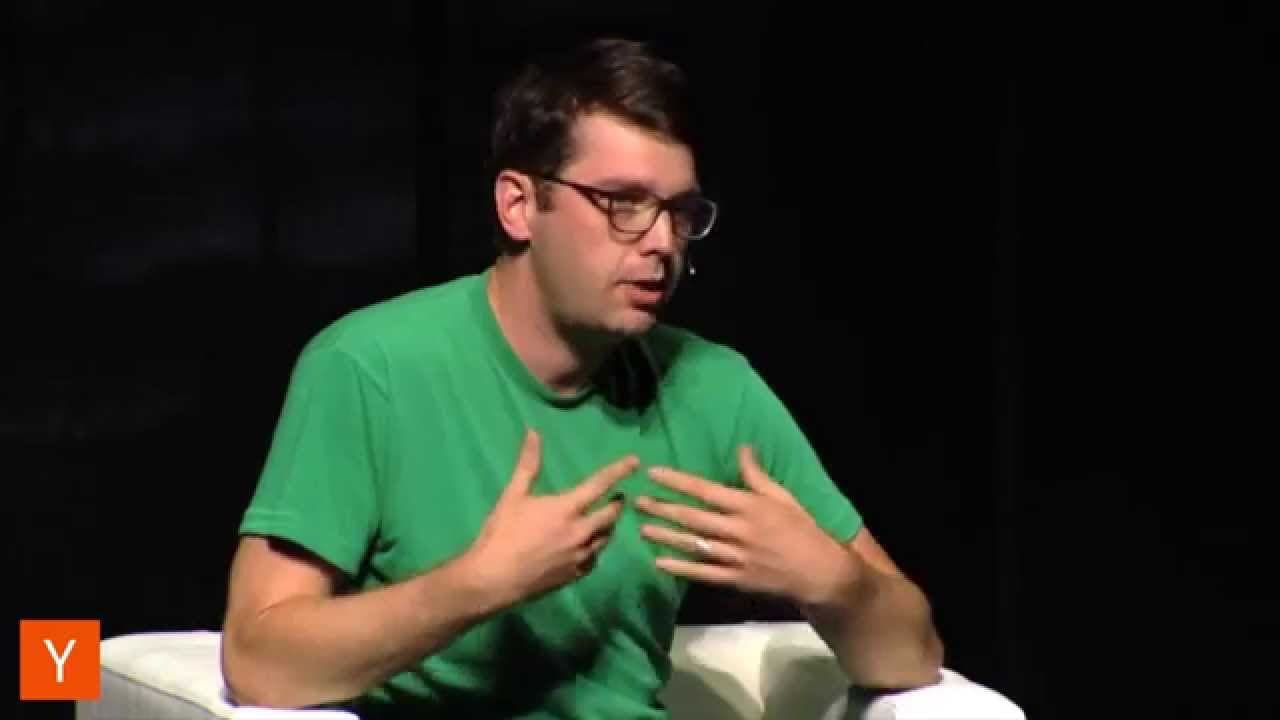
Andrew Mason at Startup School SV 2014
TL;DR
Andrew Mason discusses his entrepreneurial journey and lessons from The Point to Groupon.
Transcript
that was a really good intro for making it up just then and it definitely sounded like that like it was bad in the way jazz is bad well you're you're dodging the question of that wonderful music we were just listening to from your album hardly working please check it out it's awesome it's on iTunes you can buy it I'm not sure what song was that tha... Read More
Key Insights
- Andrew Mason's early venture, The Point, was a precursor to Groupon and aimed to organize collective actions but struggled to gain traction.
- Mason received unexpected funding for The Point, which eventually pivoted to Groupon due to its lack of success.
- Groupon started as a side project and quickly gained popularity, demonstrating the demand for group buying deals.
- Rapid growth at Groupon led to internal chaos, highlighting the challenges of scaling a company quickly.
- Mason emphasizes the importance of having a strong, aligned company culture, especially during international expansion.
- The experience with Groupon taught Mason the downsides of going public, citing it as a distraction from building a great company.
- Mason's new venture, Detour, focuses on location-aware audio walks, applying lessons learned from his previous experiences.
- Mason stresses the importance of sticking to core values and customer-focused principles for long-term success.
Install to Summarize YouTube Videos and Get Transcripts
Explore YouTube Video Summarizer or Get YouTube Transcript Extractor
Questions & Answers
Q: What was Andrew Mason's initial idea before Groupon?
Andrew Mason's initial idea was a platform called The Point, designed to organize collective actions or fundraise for causes once a tipping point of participation was reached. The concept was similar to modern crowdfunding platforms but struggled to gain traction, leading to a pivot to Groupon.
Q: How did Groupon start and gain popularity?
Groupon started as a side project while Mason was still working on The Point. It quickly gained popularity by offering group buying deals, which resonated with consumers. The initial version was a simple WordPress template with daily deals, demonstrating significant demand and leading to rapid growth.
Q: What challenges did Groupon face during its rapid growth?
During its rapid growth, Groupon faced significant internal challenges such as scaling infrastructure, maintaining consistent customer experiences, and managing a rapidly expanding workforce. The company had to innovate quickly to keep up with demand, often using makeshift solutions to handle operational needs.
Q: Why did Mason view going public as a negative experience?
Andrew Mason viewed going public as a negative experience because it diverted focus from building a great company to dealing with investor relations and quarterly performance pressures. He felt that these distractions hindered long-term strategic thinking and the company's ability to innovate effectively.
Q: What lessons did Mason apply to his new venture, Detour?
In his new venture, Detour, Mason applied lessons learned from Groupon, such as the importance of maintaining a strong company culture and adhering to core values. He emphasized structured processes, like setting company goals and conducting post-mortems, to avoid unnecessary chaos and ensure focused growth.
Q: How did Groupon handle international expansion?
Groupon handled international expansion by acquiring local clones, like those operated by the Samwer brothers, to quickly establish a presence in new markets. However, this approach presented challenges in maintaining a consistent company culture and aligning values across different regions.
Q: What was Mason's perspective on dealing with competitors?
Mason found dealing with copycat competitors emotionally challenging, as he viewed their actions as antithetical to his reasons for starting a business. Despite personal feelings, he recognized the competitive landscape and strategically engaged with some competitors to strengthen Groupon's market position.
Q: What advice does Mason give to founders considering going public?
Mason advises founders to avoid going public if possible, as it can consume significant time and resources, distracting from core business operations. He emphasizes the importance of maintaining a long-term strategic focus and suggests delaying or avoiding public offerings to preserve company autonomy and innovation.
Summary & Key Takeaways
-
Andrew Mason discusses his journey from creating The Point to founding Groupon, highlighting the pivotal moments and challenges faced. He reveals how The Point's lack of success led to the creation of Groupon, which quickly became a major success due to its innovative group buying model.
-
Mason shares insights into the rapid growth of Groupon, detailing the internal challenges and the importance of maintaining company culture during expansion. He also reflects on the emotional difficulty of dealing with copycat competitors and the strategic decisions made to stay ahead.
-
Reflecting on his experiences, Mason advises against going public due to its distractions and short-term pressures. He introduces his new venture, Detour, emphasizing the importance of adhering to core values and customer-focused strategies for sustainable success.
Read in Other Languages (beta)
Share This Summary 📚
Summarize YouTube Videos and Get Video Transcripts with 1-Click
Try YouTube Summary with ChatGPT & Claude or YouTube Transcript Generator
Explore More Summaries from Y Combinator 📚





Summarize YouTube Videos and Get Video Transcripts with 1-Click
Try YouTube Summary with ChatGPT & Claude or YouTube Transcript Generator