Darrell Brooks Pleads His Case to Jury Who Later Found Him Guilty
TL;DR
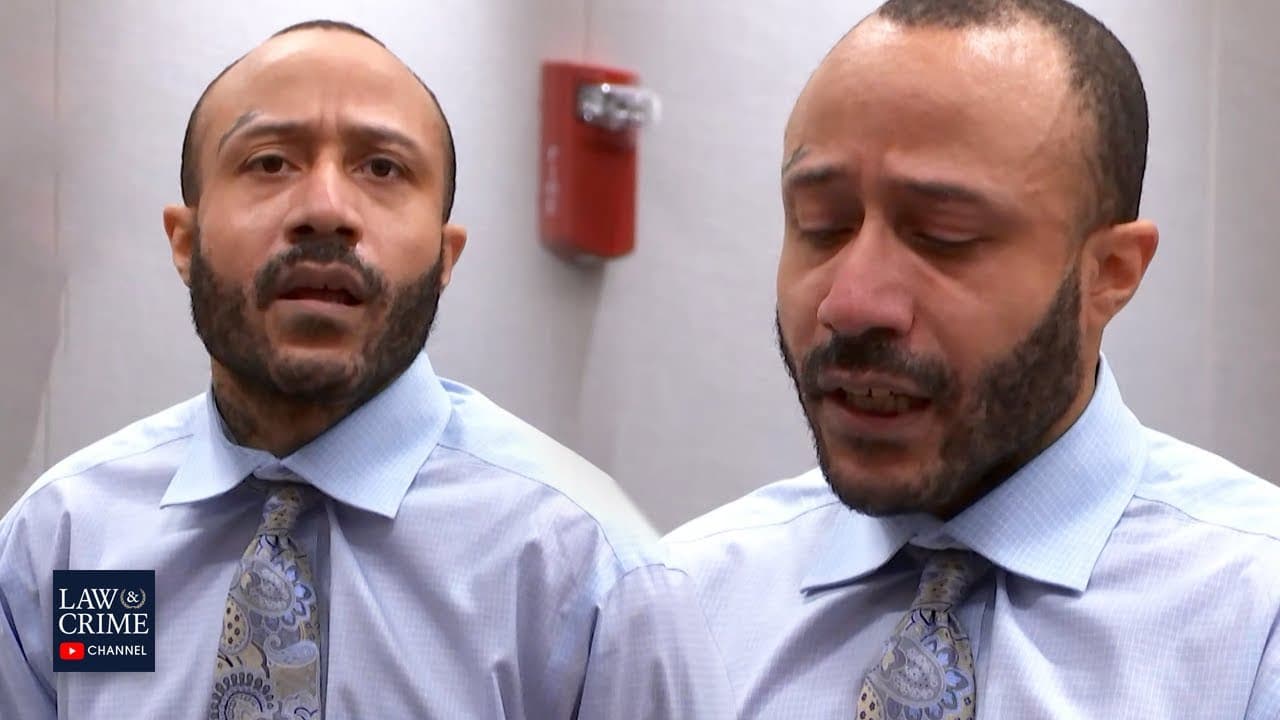
Jury finds Darrell Brooks guilty on all counts in Waukesha parade tragedy trial after disruptive behavior and unconventional legal arguments.
Transcript
I am a lot of things my murder is not one of them we break down the key moments from Darrell Brook's closing argument in the Waukesha parade tragedy trial as the jury comes back with their verdict welcome to sidebar presented by long crime I'm Jesse Weber we the jury find the defendant Daryl e Brooks guilty a first degree intentional homicide as ch... Read More
Key Insights
- ❓ Darrell Brooks' disruptive behavior and unconventional legal arguments may have detracted from his defense strategy.
- ❓ Jury nullification and questioning intent were improper arguments made by Brooks during the trial.
- 💪 The jury's guilty verdict across all charges suggests a strong case presented by the prosecution.
- 🚙 Appeals to empathy and questioning the vehicle's defectiveness did not sway the jury's decision.
- ❓ The importance of remaining focused on legal arguments rather than emotional appeals in court proceedings.
- 🖤 Brooks' lack of evidence to support his claims of the SUV's defectiveness weakened his defense.
- ❓ The impact of disruptive behavior and unconventional arguments on the jury's perception of the defendant.
Install to Summarize YouTube Videos and Get Transcripts
Explore YouTube Video Summarizer or Get YouTube Transcript Extractor
Questions & Answers
Q: Why did the jury find Darrell Brooks guilty on all 76 charges?
The jury found Brooks guilty due to the overwhelming evidence presented by the prosecution, including eyewitness testimonies and forensic analysis that pointed to his intentional actions.
Q: What legal arguments did Darrell Brooks make during his closing argument?
Brooks made unconventional legal arguments, including referencing jury nullification, suggesting the SUV was defective, and questioning the prosecution's characterization of intent in the case.
Q: How did Darrell Brooks' disruptive behavior impact the trial?
Brooks' disruptive behavior, which included refusing to answer the court's questions and criticizing the state's preparedness, may have contributed to the jury's negative perception of him and affected his defense.
Q: What impact did Brooks' appeal to empathy have on the jury's decision?
Despite Brooks' attempt to appeal to jurors' empathy by highlighting the impact on his family, the jury was instructed to focus on legal analysis and evidence rather than emotional appeals.
Summary & Key Takeaways
-
Jury finds Darrell Brooks guilty on all 76 charges related to driving an SUV through a holiday parade in Waukesha, Wisconsin, resulting in six counts of first-degree intentional homicide.
-
Brooks represented himself, displayed disruptive behavior, and made unconventional legal arguments, including referencing jury nullification and suggesting the SUV was defective.
-
Despite Brooks' attempts to appeal to empathy and question intent, the jury found him guilty across the board.
Read in Other Languages (beta)
Share This Summary 📚
Summarize YouTube Videos and Get Video Transcripts with 1-Click
Try YouTube Summary with ChatGPT & Claude or YouTube Transcript Generator
Explore More Summaries from Law&Crime Sidebar Podcast 📚


Summarize YouTube Videos and Get Video Transcripts with 1-Click
Try YouTube Summary with ChatGPT & Claude or YouTube Transcript Generator