How Henry Kravis Built KKR and Views AI in Private Equity
TL;DR
Henry Kravis co-founded KKR in 1976, pioneering private equity by using borrowed capital to improve companies operationally. He emphasizes the importance of culture, risk-taking, and curiosity in investment. Kravis believes AI is a valuable tool for enhancing productivity but insists on the necessity of strong management and cultural alignment for successful rollups.
Transcript
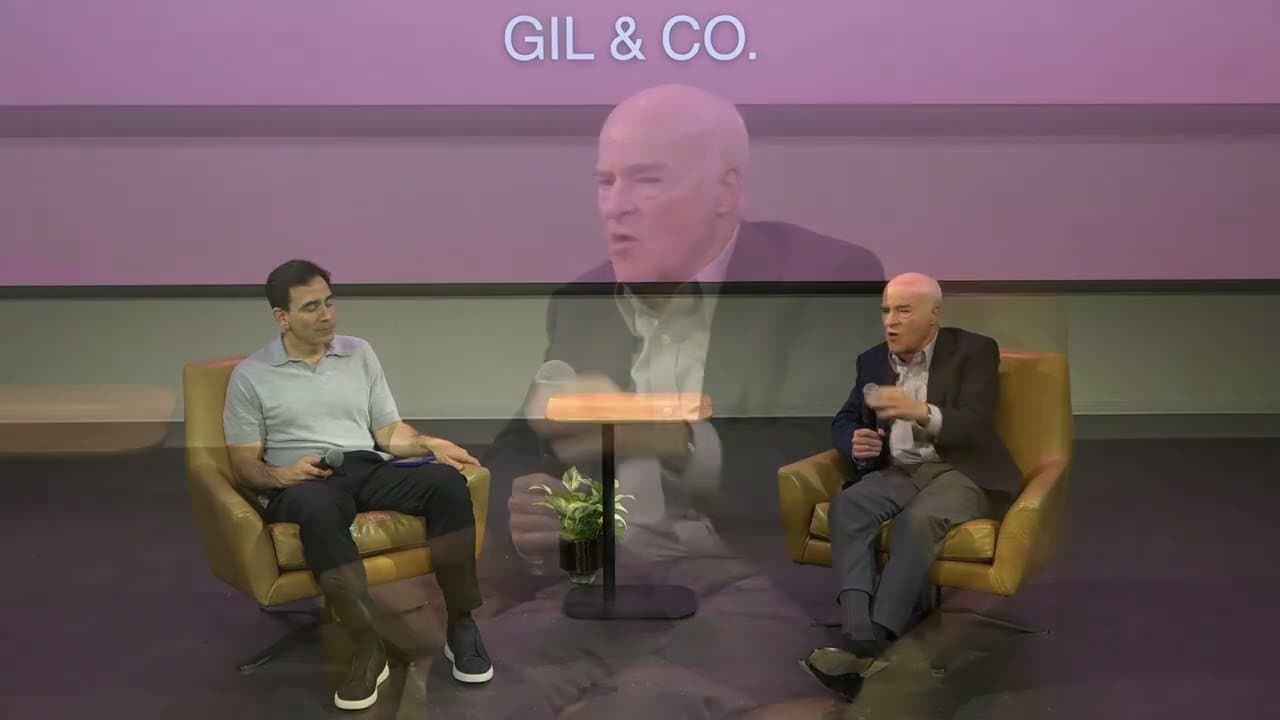
Um, so thanks everybody for coming. Thanks a ton uh to Stripe for hosting us today. Um, we're lucky to be here with I think um a true business legend, Henry Kravis. Um, Henry co-founded KKR in 1976 with his partners with $120,000 of his of their own money. Uh, since then KKR has scaled into one of the largest private equity firms in the world. It h... Read More
Key Insights
- KKR was founded in 1976 with $120,000 and has grown to manage over $670 billion in assets.
- Private equity was pioneered by acquiring companies with borrowed capital and improving them operationally.
- Kravis emphasizes the importance of aligning management and shareholder interests for company success.
- Curiosity across various fields is crucial for being a great investor, according to Kravis.
- KKR maintains a culture of inclusion where everyone participates in all aspects of the firm.
- AI can improve productivity but cannot replace the need for strong management and cultural fit.
- Kravis values risk-taking and learning from mistakes as essential qualities in investment.
- The private equity industry has evolved into a broader alternative investment space with diverse products.
Install to Summarize YouTube Videos and Get Transcripts
Explore YouTube Video Summarizer or Get YouTube Transcript Extractor
Questions & Answers
Q: How did Henry Kravis start KKR?
Henry Kravis co-founded KKR in 1976 with his partners using $120,000 of their own money. They saw a market discrepancy where companies were poorly run, and directors were not holding management accountable. KKR aimed to purchase companies using borrowed capital, improve them operationally, and align management interests with shareholders to create value.
Q: What is the key to KKR's success according to Henry Kravis?
The key to KKR's success, as per Henry Kravis, lies in maintaining a strong culture of inclusion where everyone participates in all aspects of the firm. Kravis also emphasizes aligning management and shareholder interests, being curious about various fields, and focusing on operational improvements in acquired companies rather than just financial engineering.
Q: How does Henry Kravis view the role of AI in private equity?
Henry Kravis views AI as a valuable tool for enhancing productivity and improving margins in private equity. However, he stresses that AI cannot replace the need for strong management and cultural fit within companies. Successful rollups require integrating AI as a component of operations while ensuring that management teams are capable and cultures align.
Q: What qualities does Henry Kravis look for in KKR employees?
Henry Kravis looks for employees who are curious, willing to take risks, and capable of learning from their mistakes. He values innovation and the ability to see the broader landscape in investment opportunities. Kravis also emphasizes the importance of cultural fit, ensuring that new hires align with KKR's inclusive and collaborative culture.
Q: How has the private equity industry changed since KKR's founding?
Since KKR's founding, the private equity industry has evolved into a broader alternative investment space with diverse products like credit, real estate, and infrastructure. There is more competition and capital available today, with numerous banks and high-yield markets supporting deals. The industry now requires more sophisticated strategies and operational improvements for success.
Q: What mistakes does Henry Kravis acknowledge in his career?
Henry Kravis acknowledges that he has made numerous mistakes, often related to not moving quickly enough on management changes or entering industries without sufficient knowledge. He believes in learning from these mistakes and values transparency in discussing them. Kravis advises being proactive and decisive in management decisions to avoid similar errors.
Q: What advice does Henry Kravis give to young investors?
Henry Kravis advises young investors to be curious, take risks, and learn from their mistakes. He emphasizes the importance of being prepared and doing thorough research before making investment decisions. Kravis also suggests getting out of one's comfort zone and trying new things, even if it means failing initially, as it leads to growth and learning.
Q: How does Henry Kravis maintain his curiosity and learning?
Henry Kravis maintains his curiosity and learning by reading extensively, traveling globally, and engaging in philanthropy in fields like education, healthcare, and the arts. He believes in exploring diverse interests and staying informed about different cultures and industries. This approach keeps him engaged and helps him bring fresh perspectives to his investment strategies.
Summary & Key Takeaways
-
Henry Kravis co-founded KKR in 1976, pioneering private equity by using borrowed capital to improve companies operationally. He emphasizes the importance of aligning management and shareholder interests, maintaining a culture of inclusion, and being curious across various fields. KKR has grown to manage over $670 billion in assets, evolving into a broad alternative investment space.
-
Kravis believes AI is a valuable tool for enhancing productivity but insists on the necessity of strong management and cultural alignment for successful rollups. He stresses the importance of risk-taking and learning from mistakes in investment, highlighting that KKR's culture focuses on inclusion and collaboration across its global offices.
-
The private equity industry has evolved significantly since KKR's inception, with more competition and capital available today. Kravis advises focusing on improving company operations rather than relying solely on exit multiples. He also values curiosity and innovation as key attributes for successful investment and management.
Read in Other Languages (beta)
Share This Summary 📚
Summarize YouTube Videos and Get Video Transcripts with 1-Click
Try YouTube Summary with ChatGPT & Claude or YouTube Transcript Generator
Explore More Summaries from Elad Gil 📚



Summarize YouTube Videos and Get Video Transcripts with 1-Click
Try YouTube Summary with ChatGPT & Claude or YouTube Transcript Generator