A Mistake Created the G.1.M Ultra
TL;DR
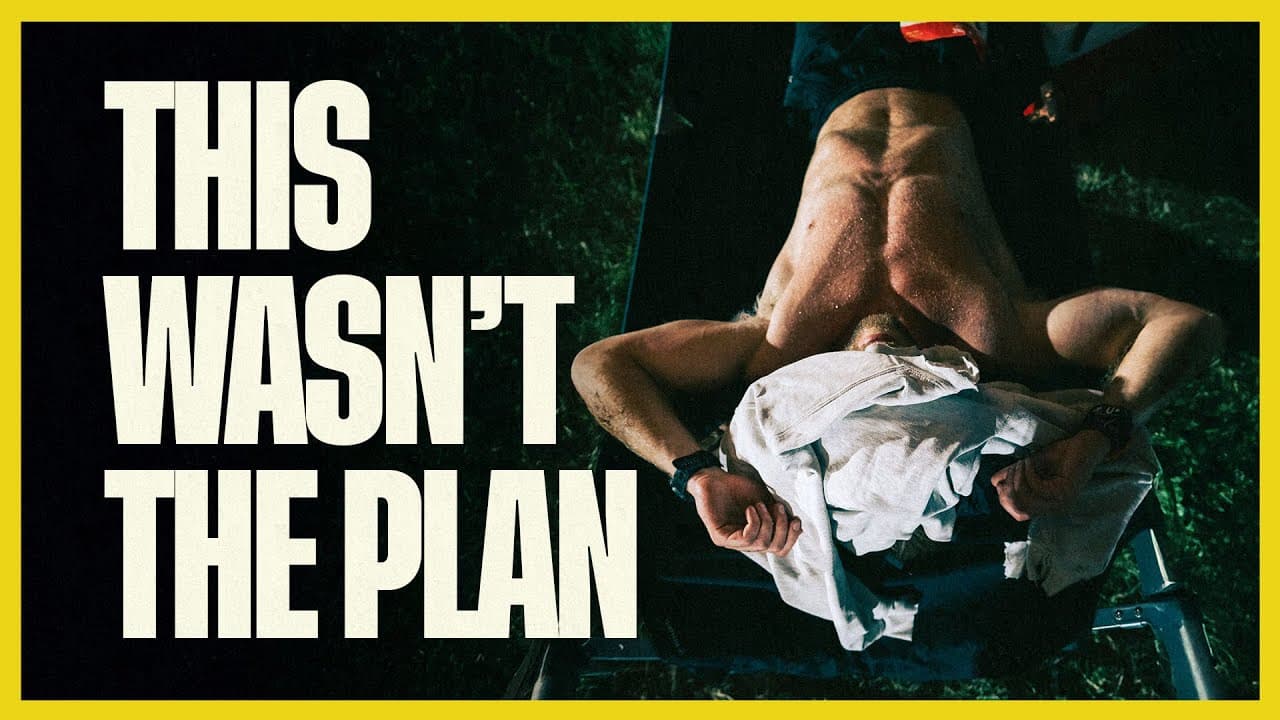
A failed race revealed our audience prefers challenging events.
Transcript
earlier this year we wanted to host and launch an event and style race that was different from anything else we've ever done before we've hosted ultras before we've hosted marathons before we have been the sponsor a nutrition sponsor and involved in marathons and ultras all across the country but earlier this year we wanted to host a a shorter dist... Read More
Key Insights
- The initial relay race concept was designed to be a fun, easy event, but it did not resonate with the target audience.
- The BPN audience prefers challenging, demanding races that require significant preparation and commitment.
- The failure of the relay race served as a valuable learning experience, revealing critical insights about the audience's desires.
- Understanding the audience's preference for difficult events led to the successful planning of the Go One More Ultra.
- The brand realized it speaks to a committed audience, not those looking for easy or less challenging experiences.
- The failure highlighted the importance of aligning event offerings with the core values and expectations of the target audience.
- The brand's approach shifted to cater to those who want to push their limits and experience personal growth through challenging events.
- The insights gained from the failure were likened to expensive market research, emphasizing their value in shaping future strategies.
Install to Summarize YouTube Videos and Get Transcripts
Explore YouTube Video Summarizer or Get YouTube Transcript Extractor
Questions & Answers
Q: Why did the relay race fail to attract participants?
The relay race failed because it was designed to be an easy, fun event, which did not align with the preferences of the BPN audience. The audience is more interested in challenging, demanding events that require significant preparation and commitment, leading to personal growth and achievement.
Q: What did the brand learn from the failure of the relay race?
The brand learned that its audience prefers challenging events that require dedication and preparation. This insight was crucial in understanding the audience's values and expectations, allowing the brand to tailor future events to better meet their desires and ensure success.
Q: How did the failure influence the planning of the Go One More Ultra?
The failure influenced the planning of the Go One More Ultra by highlighting the importance of aligning event offerings with the audience's preferences for challenging experiences. The brand used the insights gained to create an event that resonated with its committed audience, resulting in a successful execution.
Q: What is the significance of understanding the audience's preferences for the brand?
Understanding the audience's preferences is crucial for the brand as it allows them to create events and experiences that resonate with their core values. This alignment ensures that the brand can effectively meet the expectations of its audience, leading to increased engagement and success.
Q: How does the brand describe its core audience?
The brand describes its core audience as committed individuals who seek challenging, demanding events that require preparation and dedication. They are not interested in easy or fun experiences but rather in pushing their limits and achieving personal growth through hard-earned success.
Q: What role did the relay race play in the brand's strategic planning?
The relay race played a critical role in the brand's strategic planning by serving as a learning experience. The failure revealed key insights about the audience's preferences, allowing the brand to recalibrate its approach and focus on offering events that align with the audience's values and expectations.
Q: Why does the brand consider the failure a valuable experience?
The brand considers the failure a valuable experience because it provided insights equivalent to expensive market research. The lessons learned helped the brand understand its audience better, allowing for more effective strategic planning and ensuring future events align with the audience's desires.
Q: What changes were made to the Go One More Ultra based on the relay race insights?
Based on the relay race insights, the Go One More Ultra was designed to be a challenging event that requires significant preparation and commitment. The changes ensured that the event would resonate with the brand's committed audience, leading to a successful and well-received execution.
Summary & Key Takeaways
-
The relay race was a strategic attempt to offer a fun, easy event, but it failed to attract the expected audience. This failure provided critical insights into the audience's preferences, revealing a desire for challenging, demanding events that require preparation and commitment.
-
The brand learned that its audience values difficult races that push personal limits and lead to personal growth. This understanding allowed the brand to recalibrate its approach, resulting in the successful execution of the Go One More Ultra event.
-
The failure of the relay race was a pivotal moment, offering insights equivalent to costly market research. The brand now focuses on serving its committed audience by offering events that align with their values and expectations, ensuring future success.
Read in Other Languages (beta)
Share This Summary 📚
Summarize YouTube Videos and Get Video Transcripts with 1-Click
Try YouTube Summary with ChatGPT & Claude or YouTube Transcript Generator
Explore More Summaries from The Nick Bare Podcast 📚


Summarize YouTube Videos and Get Video Transcripts with 1-Click
Try YouTube Summary with ChatGPT & Claude or YouTube Transcript Generator