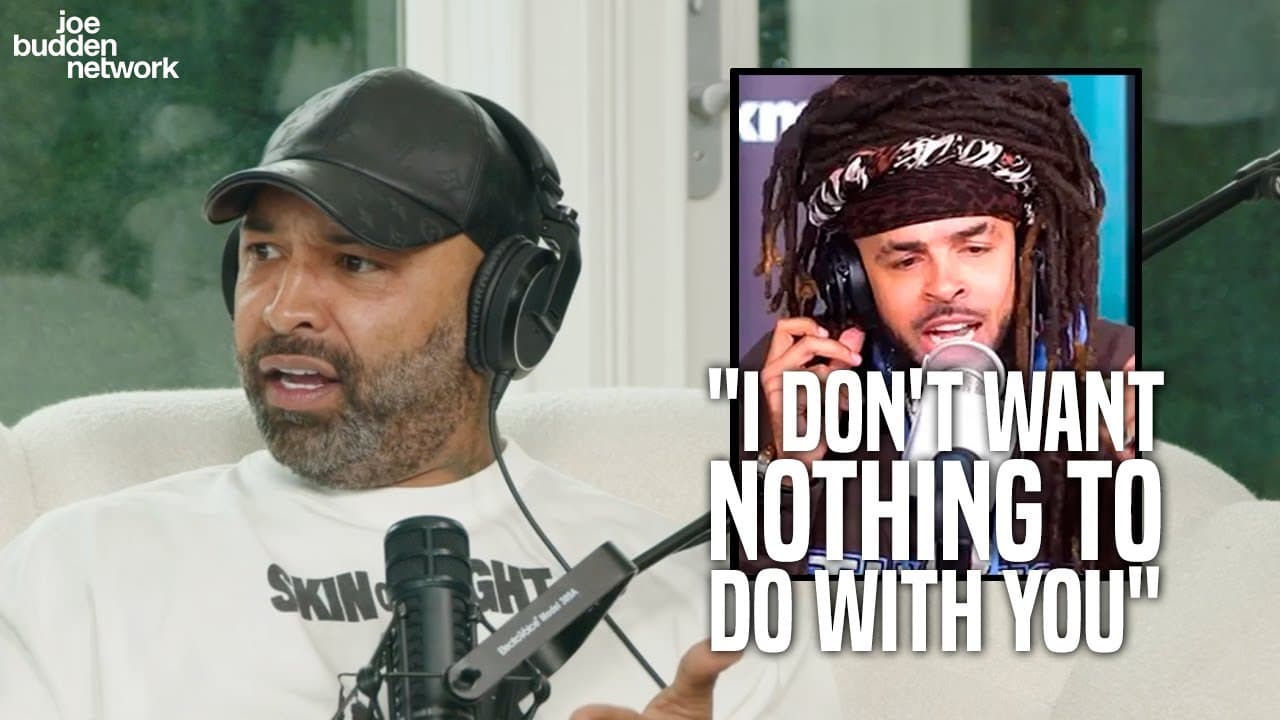
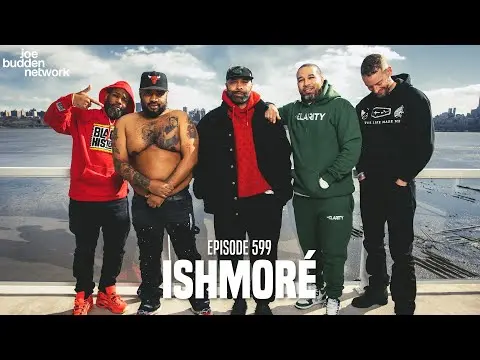
Dee-1 Is STILL Clout Chasing | Joe Says "I Don't Want NOTHING to Do with YOU"
TL;DR
Clout chasing in Hip-Hop creates unnecessary drama and miscommunication online.
Transcript
D1 is still clout chasing oh what do you do now um talking to me on the internet oh he called you up he put a along yeah I saw that caption he tagged all of us oh okay I'm not reading all that [ __ ] and that's the part that's clown chasing is the tagging people it's yes tagging people speaking to people through the internet that you don't know tha... Read More
Key Insights
- 🥺 Engaging others in public forums without personal relationships often leads to misunderstandings and conflicts.
- 🛟 Clout chasing undermines the authenticity of relationships within the Hip-Hop community, emphasizing the role of real-life connections.
- 🧑🎨 Responsibility for messaging is crucial, as artists' influence shapes the values of younger fans.
- 😑 The discussion illustrates the complexity of ethics in expressing views about peer artists publicly.
- 🎭 The internet can magnify issues that could remain private, expanding the potential for drama within the community.
- 🫡 Discussions about accountability reveal a tension between artistic freedom and respect for others' reputations.
- 🛟 Using real-life examples can strengthen arguments, but the timing and context of such references matter significantly.
Install to Summarize YouTube Videos and Get Transcripts
Explore YouTube Video Summarizer or Get YouTube Transcript Extractor
Questions & Answers
Q: What is meant by "clout chasing" in the context of this conversation?
"Clout chasing" refers to individuals seeking attention and recognition, often through provocative statements or actions. In the Hip-Hop context, it signifies engaging with other artists online without genuine connection, leading to public drama that serves no real purpose aside from gaining visibility.
Q: How do the speakers feel about using other artists' names in discussions?
The speakers express mixed feelings about using others' names to support arguments. While some see it as an effective way to prove a point about hypocrisy in the industry, others argue it's disrespectful and can escalate conflict among artists who have no personal relationship.
Q: Why is it important for artists to consider their influence on youth?
Artists wield significant influence over their young fans, who often emulate their behaviors and lifestyles. The speakers highlight that this power comes with a responsibility to model positive behavior, suggesting that artists should be mindful of their messaging to avoid fostering negativity.
Q: What parallels are drawn between using lyrics in court and discussing artists online?
The speakers draw a comparison between how lyrics can be interpreted as evidence of criminal behavior and how artists may use names in discussions without consent. Both reflect how public statements can have serious ramifications, particularly when shared without context or respect for the individuals involved.
Q: What consequences might arise from publicly mentioning another artist in a derogatory manner?
Mentioning another artist negatively can lead to real-life confrontations and public backlash. The speakers caution that actions taken online can result in repercussions, emphasizing that individuals should remain mindful of the power dynamics at play within the music community.
Q: How do the speakers view the relationship between personal experiences and the broader Hip-Hop narrative?
The speakers believe that personal experiences significantly shape opinions in discussions about Hip-Hop culture. They stress that having firsthand knowledge of consequences from speaking on others can guide members of the community toward more respectful interactions and understanding the impacts of their words.
Summary & Key Takeaways
-
The discussion critiques how individuals in the Hip-Hop community engage with each other through social media, often seen as clout chasing that disrespects personal boundaries.
-
There's disagreement about using other artists' names to make points in discussions, which often leads to backlash and misunderstanding, emphasizing the importance of real-life connections.
-
The conversation highlights a broader issue of role models in music, where influences can negatively impact younger generations, underscoring the responsibility artists have in their messaging.
Read in Other Languages (beta)
Share This Summary 📚
Summarize YouTube Videos and Get Video Transcripts with 1-Click
Try YouTube Summary with ChatGPT & Claude or YouTube Transcript Generator
Explore More Summaries from Joe Budden TV 📚
Summarize YouTube Videos and Get Video Transcripts with 1-Click
Try YouTube Summary with ChatGPT & Claude or YouTube Transcript Generator