Do Lemon Sharks Attack Each Other? | SharkFest
TL;DR
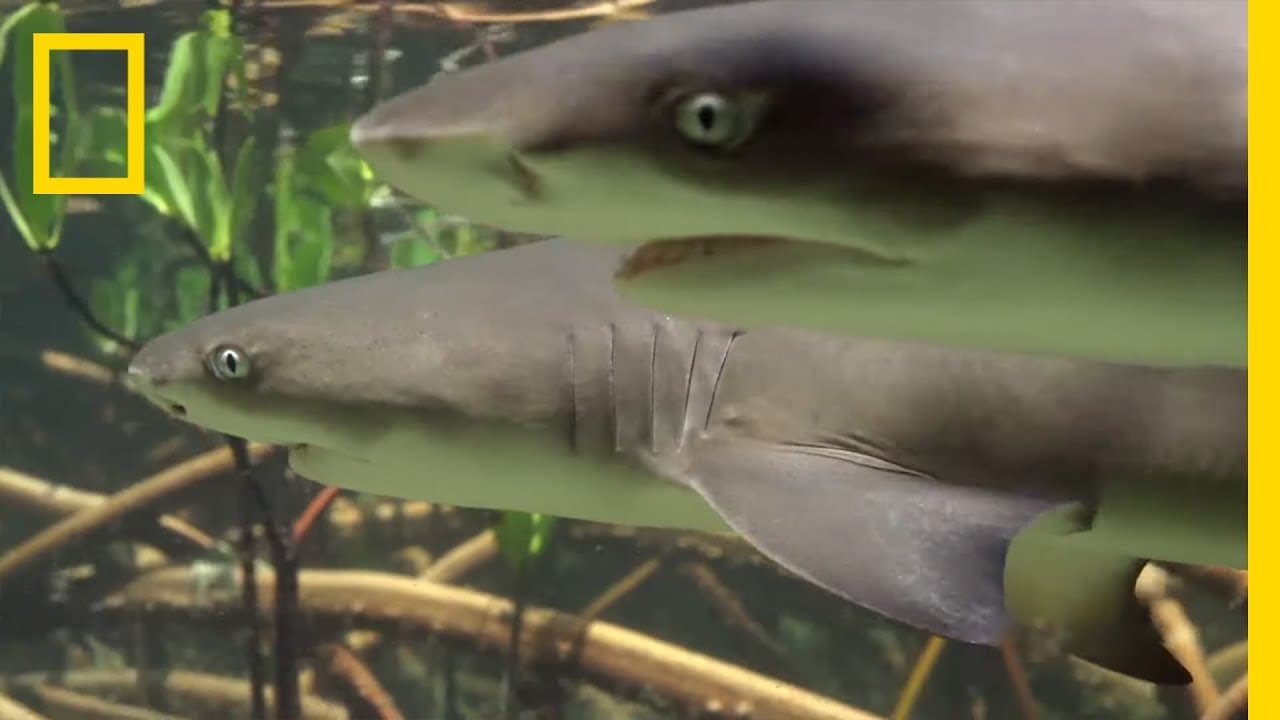
Lemon shark pups in Bimini face cannibalistic threats from adult lemon sharks due to insider knowledge, impacting survival rates.
Transcript
NARRATOR: The cannibal sharks investigation heads to Bimini in the Bahamas. The mangrove swamps here are a precious nursery for lemon sharks. Every year, scores of pregnant females return to these shallow waters where they were born to give birth. But in a Machiavellian twist that surprised scientists, someone was eating the kids. TRISTAN GUTTRIDGE... Read More
Key Insights
- 🦈 Bimini's mangrove swamps serve as a critical nursery for lemon sharks.
- 😅 Around 50% of lemon shark pups in Bimini are eaten or die from starvation yearly.
- 🦈 Adult lemon sharks use insider knowledge to prey on juvenile lemon sharks in nursery areas.
- 🥺 Lemon shark pups in Bimini learn hunting and hiding techniques among mangrove roots.
- 😃 Cannibalistic behaviors among big sharks are observed in various nursery areas worldwide.
- 🪡 Shark cannibalism is driven by the need for sustenance and is essential for survival.
- 👨🔬 Research suggests shark cannibalism has been a long-standing phenomenon in marine ecosystems.
Install to Summarize YouTube Videos and Get Transcripts
Explore YouTube Video Summarizer or Get YouTube Transcript Extractor
Questions & Answers
Q: Why do adult lemon sharks prey on juvenile lemon sharks in Bimini?
Adult lemon sharks prey on juvenile lemon sharks due to insider knowledge of their hiding spots and tactics to avoid predators, giving them an advantage in hunting for food.
Q: How do lemon shark pups protect themselves from cannibalistic adult lemon sharks in Bimini?
Lemon shark pups instinctively hug mangrove roots for protection, but if they stray too far, they are vulnerable to ambush attacks from adult lemon sharks.
Q: How long do lemon shark pups stay in Bimini learning to hunt and hide among mangroves?
Lemon shark pups can stay in Bimini for up to eight years, where they learn hunting skills and hiding techniques to survive in the mangrove nursery areas.
Q: Why is shark cannibalism considered crucial for the survival of big sharks in nursery areas?
Shark cannibalism is crucial for big sharks' survival in nursery areas as it provides a readily available food source, ensuring they can sustain themselves and continue growing.
Summary & Key Takeaways
-
Lemon shark pups in Bimini are at risk from cannibalistic adult lemon sharks due to insider knowledge.
-
Adult lemon sharks prey on juvenile lemon sharks using learned hunting tactics in nursery areas.
-
Shark cannibalism is a common behavior among big sharks in various nursery areas for survival.
Read in Other Languages (beta)
Share This Summary 📚
Summarize YouTube Videos and Get Video Transcripts with 1-Click
Try YouTube Summary with ChatGPT & Claude or YouTube Transcript Generator
Explore More Summaries from National Geographic 📚



Summarize YouTube Videos and Get Video Transcripts with 1-Click
Try YouTube Summary with ChatGPT & Claude or YouTube Transcript Generator