Embracing Humor in Your Writing: The Funny Side of Business
TL;DR
Learn how to effectively use humor in marketing and copywriting.
Transcript
The easiest way to start is by writing the copy, quote unquote straight. Like, write your emotion backed, research backed, copy the way that you normally would, um, and then read it out loud and pretend that you're talking to a friend and like, converse with the copy. See if you have any impulses to like, you know, make a joke or like a wink wink, ... Read More
Key Insights
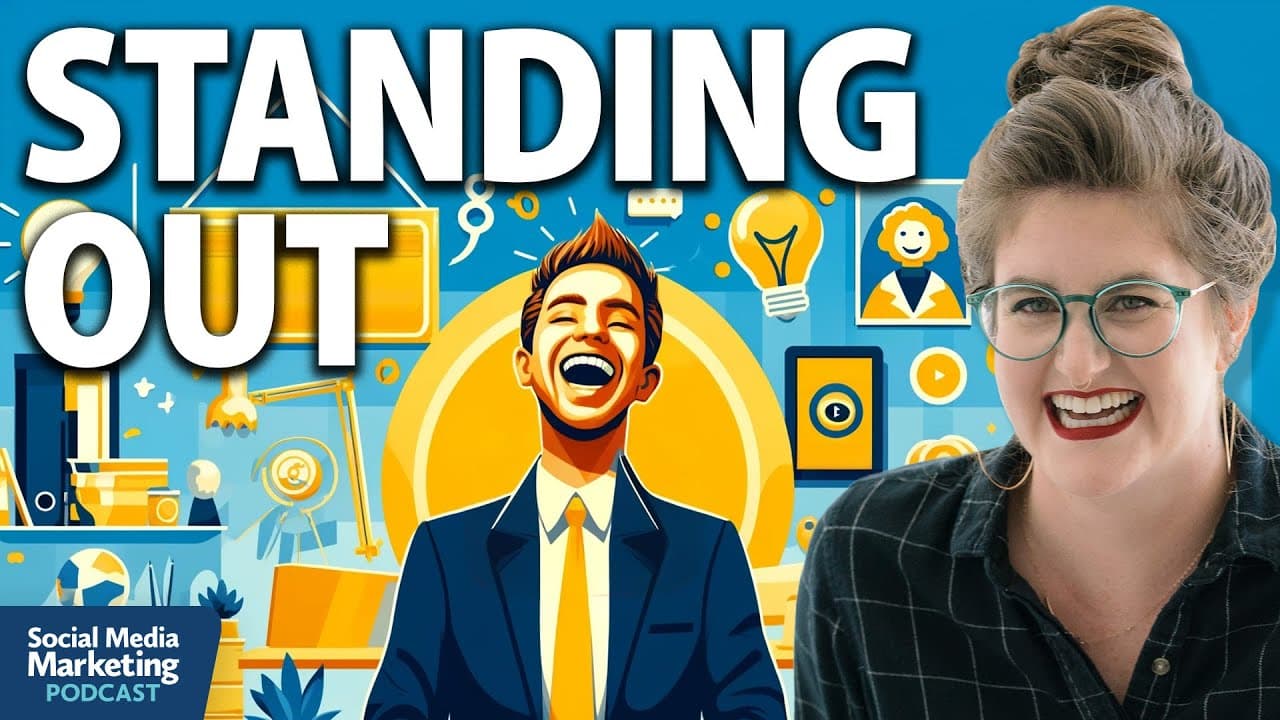
- Leanna Patch, a conversion copywriter and comedian, integrates humor into copywriting to enhance engagement and conversion rates.
- Humor in marketing can improve information recall, create rapport, and make content more memorable.
- Observational and self-deprecating humor are safe starting points for marketers new to using humor in their content.
- Humor should be strategically placed where personal connection with the reader is possible, such as emails and social media.
- Marketers should explore their own sense of humor to identify what resonates and can be effectively used in their content.
- Brands can differentiate themselves in 'boring' industries by being the only ones using humor, making them more memorable.
- Common fears about using humor include offending customers or not being funny, but starting small and testing can mitigate these concerns.
- Humor can address objections and fears in the buying process, making the experience more enjoyable and less stressful for customers.
Install to Summarize YouTube Videos and Get Transcripts
Explore YouTube Video Summarizer or Get YouTube Transcript Extractor
Questions & Answers
Q: Why should marketers focus on humor?
Marketers should focus on humor because it enhances information recall, builds rapport with audiences, and makes content more engaging. Humor activates the brain's centers of fulfillment and enjoyment, similar to how pleasurable activities do. It also helps in delivering bad news more easily and can make brands more memorable.
Q: How can marketers start using humor in their copy?
Marketers can start using humor by exploring their own sense of humor and identifying what resonates with them. They should write their copy straight, then read it aloud and see where humor naturally fits. Observational and self-deprecating humor are good starting points. Testing small amounts of humor in emails or social media posts can help gauge audience reaction.
Q: What are some examples of humor in 'boring' industries?
In 'boring' industries, humor can be used to make brands stand out. For instance, a stormwater compliance software company used humor in their emails and found that 85% of their audience preferred the funnier content. Another example is a sprinkler supply store that created a fictional character, Kyle, in their abandoned cart emails, which received positive feedback from customers.
Q: Where in the marketing funnel should humor be used?
Humor should be used in parts of the funnel where there's a personal connection with the reader, like in emails or social media. It's less effective in hero sections or homepages where clarity is crucial. Humor can also be used to address objections and reduce anxiety, making the buying process more enjoyable.
Q: How can humor address objections in copy?
Humor can address objections by easing customer concerns in a light-hearted way. For example, if a customer is worried about the taste of a new drink, humorous comparisons to unpleasant alternatives can reassure them. Similarly, humor can be used to alleviate fears about costs or the complexity of a service.
Q: What should marketers do if their humor doesn't work?
If humor doesn't work, marketers should seek feedback and not be discouraged by negative responses from individuals outside their target audience. They should reassess their strategy, ensuring the humor aligns with the brand and resonates with the audience. Testing different types of humor and adjusting based on audience reaction can help refine the approach.
Q: What types of humor are recommended for marketing?
Observational and self-deprecating humor are recommended for marketing as they are generally safe and relatable. Observational humor points out the absurdities in everyday situations, while self-deprecating humor involves making light of one's own quirks or mistakes, which can humanize a brand and make it more approachable.
Q: How can brands identify their unique sense of humor?
Brands can identify their unique sense of humor by exploring what makes them laugh, such as favorite comedians, shows, or brands. They should consider the emotional response they want to evoke in their audience and how humor can align with their brand identity. Experimentation and feedback from the audience can also guide the development of a brand's humorous voice.
Summary & Key Takeaways
-
Leanna Patch combines her skills in comedy and copywriting to help brands use humor in their marketing strategies. Humor not only makes content enjoyable but also enhances information retention and builds rapport with audiences.
-
Using humor in marketing can be effective even in 'boring' or technical industries. By being the only brand in their sector using humor, companies can stand out and become more memorable to their audience.
-
Marketers should start by understanding their own sense of humor and strategically place humor in content where it builds personal connection and eases customer anxiety. Testing and feedback are crucial to refining humorous content.
Read in Other Languages (beta)
Share This Summary 📚
Summarize YouTube Videos and Get Video Transcripts with 1-Click
Try YouTube Summary with ChatGPT & Claude or YouTube Transcript Generator
Explore More Summaries from Social Media Examiner 📚


Summarize YouTube Videos and Get Video Transcripts with 1-Click
Try YouTube Summary with ChatGPT & Claude or YouTube Transcript Generator