How Can Carbohydrates Help You Build Muscle and Lose Fat?
TL;DR
Carbohydrates can aid in muscle growth and fat loss when used correctly. They provide essential energy for high-intensity workouts and enhance recovery post-exercise. For optimal results, choose easily digestible carbs like rice and sweet potato, and strategically consume them before and after workouts to maximize performance and recovery.
Transcript
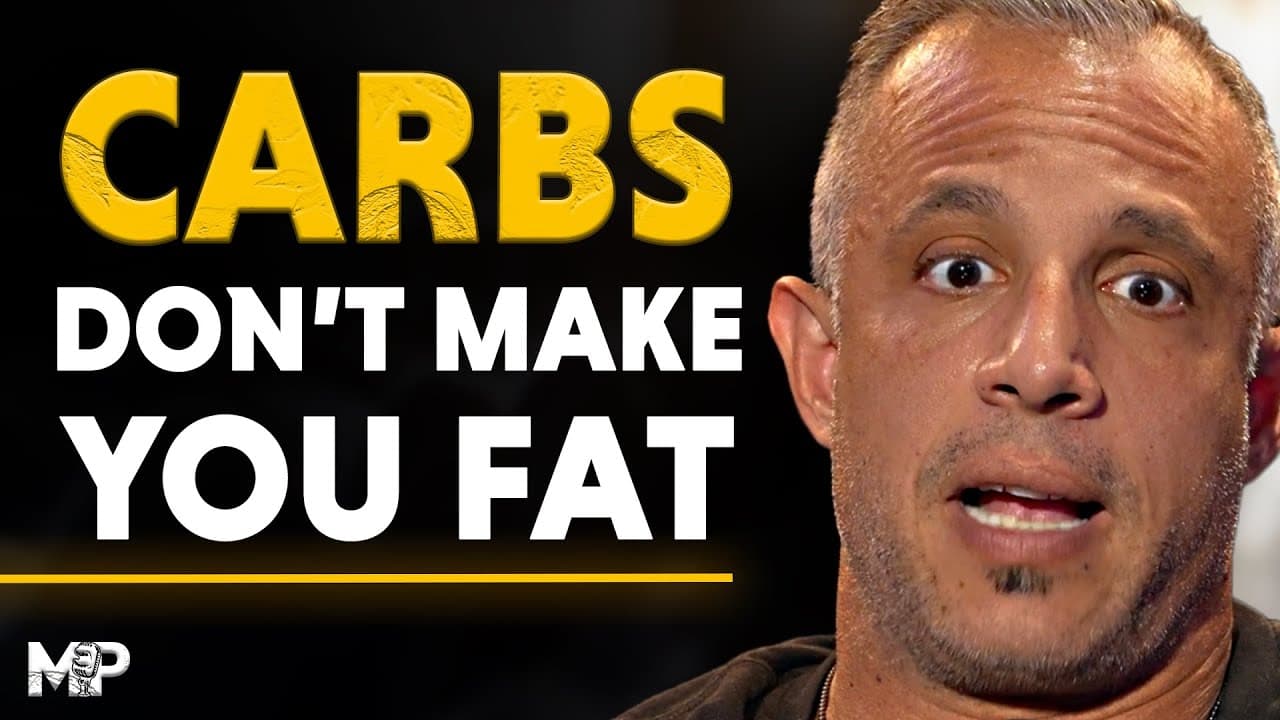
All right, let's talk about carbs. Carbohydrates, do they make you fat? No. They can actually help you build muscle and through that process burn body fat, but you should leverage them the right way. We're going to talk about carbs today. How to eat them, when to eat them, what to eat to maximize their effect. Let's go. Trying to build without them... Read More
Key Insights
- Carbohydrates do not inherently cause fat gain; excess calories do. Proper use of carbs can aid muscle growth and fat loss.
- Carbs have been mistakenly blamed for fat gain due to low-carb diet trends. The real issue is often excess calorie consumption.
- Athletic performance, especially in power and strength sports, benefits significantly from carbohydrates.
- Carbohydrates provide the least satiety compared to proteins and fats, which can influence diet adherence and hunger management.
- Carbs are the least expensive macronutrient, making them a cost-effective energy source.
- Consuming carbs post-workout can enhance recovery and improve performance in subsequent workouts.
- Choosing easily digestible carbs like rice, sweet potato, and fruit is key to maximizing their benefits for muscle gain and fat loss.
- Carbohydrates can be strategically consumed before and after workouts to enhance performance and recovery.
Install to Summarize YouTube Videos and Get Transcripts
Explore YouTube Video Summarizer or Get YouTube Transcript Extractor
Questions & Answers
Q: Do under-desk pedal exercises replace walking?
Under-desk pedal exercises do not replace walking but can improve insulin sensitivity and cognitive performance. Walking involves more muscles and offers additional benefits like better digestion and outdoor exposure. However, pedal exercises are beneficial for desk workers to enhance health and productivity.
Q: Can MAPS programs be modified for all-day workouts?
Yes, MAPS programs can be modified for all-day workouts by spreading sets throughout the day. For example, in MAPS Anabolic, perform one set of each exercise every few hours. This allows for practice and strength gains without overtraining. It's not convenient but can be effective for fitness enthusiasts.
Q: Should caloric intake change on lifting vs. non-lifting days?
Yes, adjusting caloric intake based on activity levels can be beneficial. On lifting days, especially with intense workouts, increasing calories can enhance performance and recovery. Conversely, on rest days, reducing calorie intake can prevent excess calorie consumption. This strategy supports muscle growth and fat management.
Q: How to train with hypermobility?
For hypermobility, focus on stability and isometric exercises. Limit range of motion to avoid injury and create intrinsic tension. Programs like MAPS Starter or Symmetry, with isometrics, are ideal. Avoid power exercises and prioritize controlled movements to build strength and stability, improving overall mobility.
Q: Are carbs necessary for fat loss?
Carbs are not essential for fat loss, but they can be strategically used to support energy levels and workout performance. Matching carb intake to activity levels allows for caloric management without sacrificing essential proteins and fats. Carbs can aid in recovery and muscle preservation during fat loss.
Q: What are the benefits of eating carbs post-workout?
Eating carbs post-workout enhances recovery by replenishing glycogen stores and improving subsequent performance. It aids in muscle repair and growth by shuttling amino acids into muscles through insulin spikes. This practice is especially beneficial for athletes and those training multiple times a day.
Q: How to choose the right carbs for muscle gain?
Choose easily digestible carbs like rice, sweet potato, and fruit for muscle gain. These carbs provide quick energy and minimize digestive issues. Avoid processed carbs that can cause bloating and discomfort. Consuming carbs strategically around workouts enhances performance and supports muscle growth.
Q: Why are carbs blamed for weight gain?
Carbs are often blamed for weight gain due to the popularity of low-carb diets, like Atkins, which misrepresented carbs as the cause of fat gain. However, it's excess calories, not carbs, that lead to weight gain. Proper carb management can support muscle growth and fat loss effectively.
Summary & Key Takeaways
-
Carbohydrates are often misunderstood as a cause of fat gain, but they can actually aid in muscle growth and fat loss when used correctly. Excess calories, not carbs, lead to fat gain. Carbs are essential for energy during high-intensity workouts and have been shown to improve athletic performance.
-
Carbohydrates provide the least satiety compared to proteins and fats, which can affect hunger and diet adherence. They are also the least expensive macronutrient, making them an accessible energy source. Consuming carbs post-workout can enhance recovery and boost performance in subsequent sessions.
-
For optimal benefits, choose easily digestible carbs like rice, sweet potato, and fruit. Consuming carbs strategically before and after workouts can enhance performance and recovery. Carbs are not essential but can be used to adjust caloric intake based on activity levels, supporting muscle gain and fat loss.
Read in Other Languages (beta)
Share This Summary 📚
Summarize YouTube Videos and Get Video Transcripts with 1-Click
Try YouTube Summary with ChatGPT & Claude or YouTube Transcript Generator
Explore More Summaries from Mind Pump Show 📚



Summarize YouTube Videos and Get Video Transcripts with 1-Click
Try YouTube Summary with ChatGPT & Claude or YouTube Transcript Generator