Resource Abundance by Design | William McDonough
TL;DR
Design with intention for a sustainable future through material innovation and circular economy principles.
Transcript
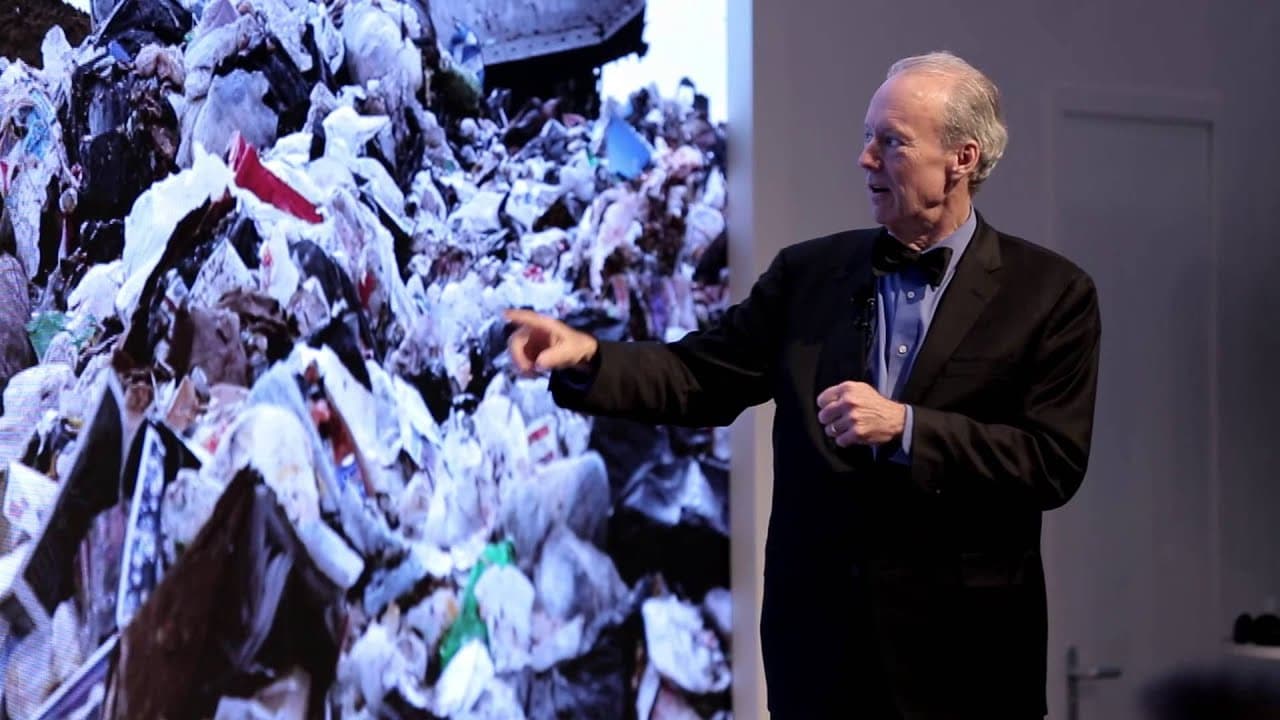
hi everybody I'd like to take a look at these words resource abundance and design that's what we're here to talk about and I've had the opportunity to work with German chemist dr. Michael Braungart and we've written cradle-to-cradle and then the upcycle and what we're looking at is a world of good and how to do that by design because I see design i... Read More
Key Insights
- 😒 Material innovation transforms waste into valuable resources for continuous use in a circular economy.
- 🎨 Sustainable design principles prioritize abundance, intention, and ecosystem integration.
- 💚 Projects like green roofs and sustainable communities exemplify the application of sustainable design in real-world contexts.
- 🏍️ Technical nutrition conceptually shifts materials from being waste to becoming resources in a perpetual cycle.
- ❓ Sustainable architecture can address social issues like affordable housing while promoting environmental stewardship.
- 🎨 Children's involvement in design processes can inspire innovative solutions for sustainable living.
- 👷 The circular economy model requires rethinking traditional construction methods to prioritize material reuse and resource efficiency.
Install to Summarize YouTube Videos and Get Transcripts
Explore YouTube Video Summarizer or Get YouTube Transcript Extractor
Questions & Answers
Q: How does design play a crucial role in shifting towards a sustainable future?
Design serves as a signal of intention, driving the creation of materials that act as nutrients in ecosystems, promoting sustainability and abundance.
Q: What is the concept of technical nutrition, and how does it relate to sustainability?
Technical nutrition involves transforming waste into resources that can be perpetually used, aligning with circular economy principles for sustainable material cycles.
Q: How can sustainable design principles be applied to create resilient communities after natural disasters?
By prioritizing material innovation and design for abundance, architects and designers can create sustainable housing solutions that promote long-term viability and adaptation to local cultures.
Q: What role do children play in the process of designing for abundance and sustainability?
Children can bring fresh perspectives to sustainable design challenges, offering innovative solutions and shaping a future focused on abundance and generosity.
Summary & Key Takeaways
-
Designing with intention and abundance focuses on creating materials that operate as nutrients within ecosystems.
-
The concept of technical nutrition transforms waste into a valuable resource for continuous use.
-
Projects showcasing sustainable design principles aim to create sustainable communities and environments.
Read in Other Languages (beta)
Share This Summary 📚
Summarize YouTube Videos and Get Video Transcripts with 1-Click
Try YouTube Summary with ChatGPT & Claude or YouTube Transcript Generator
Explore More Summaries from World Economic Forum 📚
Summarize YouTube Videos and Get Video Transcripts with 1-Click
Try YouTube Summary with ChatGPT & Claude or YouTube Transcript Generator