What is Skin? | National Geographic
TL;DR
Skin is our body's protective layer excreting, regulating body temperature, and housing bacteria.
Transcript
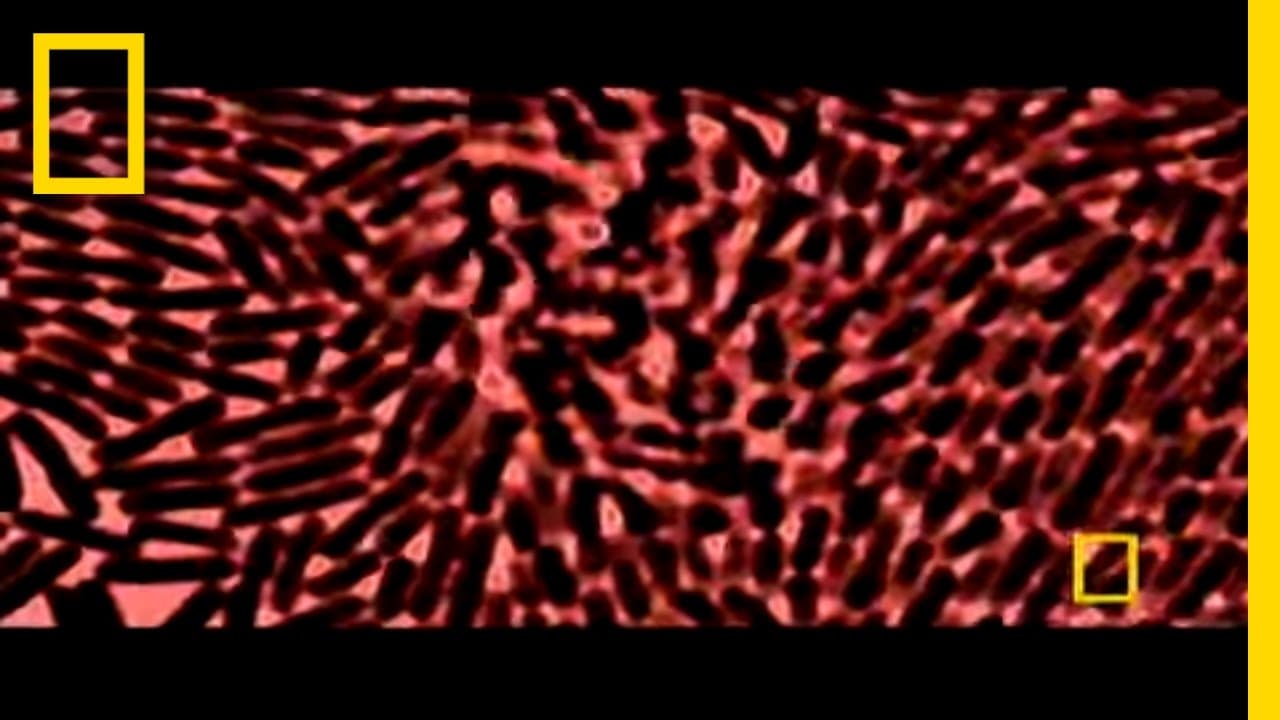
at the surface of it all a velvety overcoat of cells and protein keeps us in and the rest of the world out it is our armor our radiator our entree to pain and pleasure it is the body's largest organ our skin smooth and silky to the eyes and touch a closer look presents a very different landscape magnified 600 times our outermost skin is nothing but... Read More
Key Insights
- 🛟 The skin serves as a protective barrier against external threats.
- 😅 Skin plays a vital role in regulating body temperature through blood vessels and sweat production.
- ❤️🩹 Nerve endings in the skin contribute to our sense of touch and sensitivity.
- 😯 Skin constantly sheds dead cells to maintain its health and functionality.
- 😅 Sweat production helps cool the body down through evaporation.
- 🦻 Skin contains bacteria and various glands that aid in maintaining overall bodily functions.
- 🤕 The skin's network of nerves extends from the head to the toes, allowing for a wide range of sensory perceptions.
Install to Summarize YouTube Videos and Get Transcripts
Explore YouTube Video Summarizer or Get YouTube Transcript Extractor
Questions & Answers
Q: What is the primary function of the skin in the human body?
The skin acts as a barrier, protecting the body from external threats, regulating body temperature, and housing nerve endings for sensory input.
Q: How does the skin regulate body temperature?
Skin maintains body temperature through blood vessels that dilate or constrict to release or retain heat. Sweating also assists in cooling the body down through evaporation.
Q: Why does the skin shed dead cells constantly?
The skin sheds dead cells to make way for new cells continually grown below the surface, ensuring that the skin remains healthy and functional.
Q: How does the skin’s network of nerve endings contribute to our sense of touch?
Nerve endings distributed throughout the skin allow us to sense touch, pressure, temperature, and pain, enhancing our interactions with the environment.
Summary & Key Takeaways
-
The skin is a complex organ consisting of dead cells, bacteria, and nerve endings.
-
It plays a crucial role in regulating body temperature through blood vessels and sweat production.
-
Skin not only protects us but also serves as a sensory organ with touch receptors.
Read in Other Languages (beta)
Share This Summary 📚
Summarize YouTube Videos and Get Video Transcripts with 1-Click
Try YouTube Summary with ChatGPT & Claude or YouTube Transcript Generator
Explore More Summaries from National Geographic 📚




Summarize YouTube Videos and Get Video Transcripts with 1-Click
Try YouTube Summary with ChatGPT & Claude or YouTube Transcript Generator