Monogamy
TL;DR
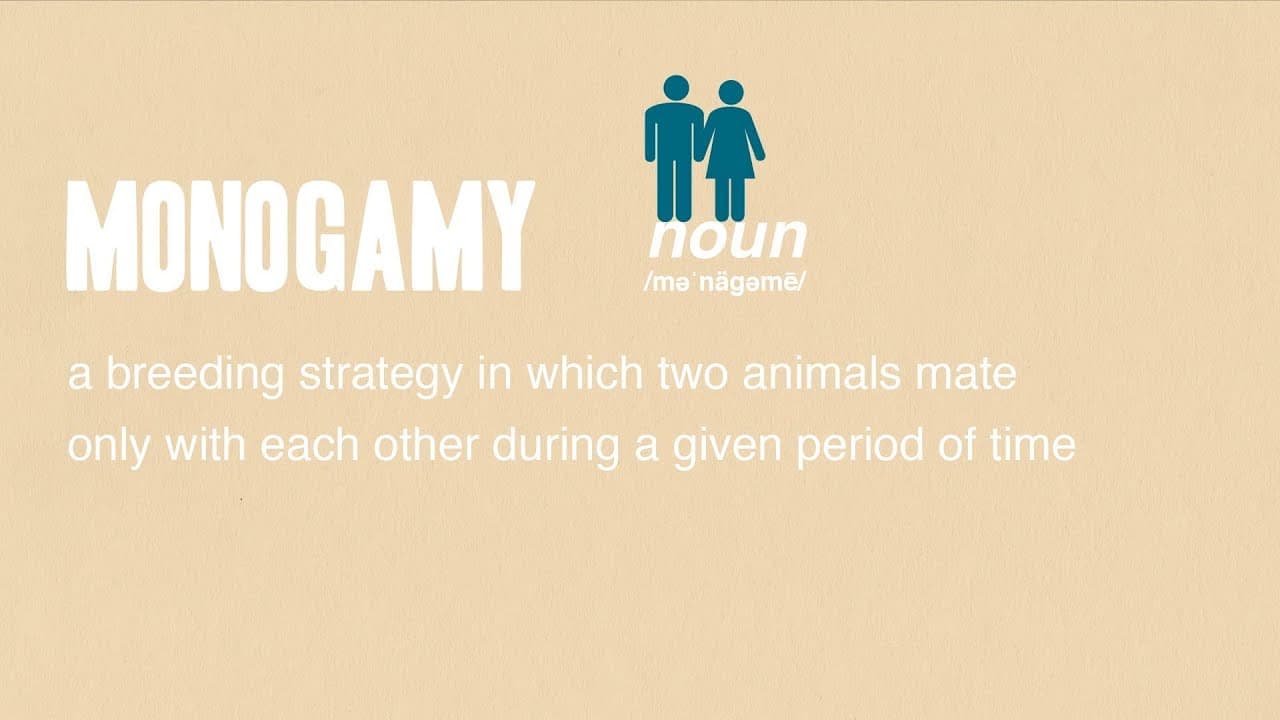
Monogamy in nature is diverse, with social vs. sexual monogamy, extra-pair copulations, and intriguing examples like the dunnock bird.
Transcript
Today I want to talk to you about monogamy. On what it is, why some animals do it, and how common it is in the wild. One of the animals I'm going to be talking about in this video is humans but listen to me very carefully ARE YOU LISTENING? I am not, I repeat NOT, giving relationship advice in this video. [Intro] Now, you've heard of monogamy and y... Read More
Key Insights
- 💁 Animal species exhibit varied forms of monogamy, from social to sexual and even extra-pair copulations.
- 🐦 Birds, often perceived as monogamous, engage in extra-pair copulations for genetic diversity.
- 🐦 The dunnock bird exemplifies social monogamy alongside extra-pair copulations, challenging traditional assumptions.
- 🧑🏭 Humans have a history of polygyny, reflecting complex mating behaviors influenced by genetics and social factors.
- ❓ Monogamy poses challenges for animals, requiring social intelligence to navigate complex mating dynamics.
- 🦫 Some animals, like beavers and certain rodents, display lifelong sexual monogamy due to territorial constraints.
- 🧠 Monogamy in humans may have contributed to the development of social intelligence and brain complexity.
Install to Summarize YouTube Videos and Get Transcripts
Explore YouTube Video Summarizer or Get YouTube Transcript Extractor
Questions & Answers
Q: What is the distinction between social and sexual monogamy in animals?
Social monogamy refers to animals that share resources and work together while sexual monogamy involves exclusive sexual relationships. Extra-pair copulations challenge the assumption of sexual monogamy in many species.
Q: Why do some socially monogamous animals engage in extra-pair copulations?
Extra-pair copulations provide genetic diversity and potential benefits like increased parental care and resource access. Sneaky behavior ensures successful reproduction despite social monogamy.
Q: How do birds exemplify monogamous behavior in nature?
Birds often display social monogamy for efficient parental care during egg laying and offspring rearing. However, DNA analysis reveals instances of extra-pair copulations, challenging the assumption of sexual monogamy.
Q: Why is monogamy considered challenging for humans?
Monogamy requires complex social intelligence to understand and provide for a partner's needs. It involves assessing fertility, long-term compatibility, and raising offspring, challenging for less intelligent animals.
Summary & Key Takeaways
-
Monogamy in the animal kingdom is varied, with different species practicing social and sexual monogamy.
-
Extra-pair copulations challenge the assumption of strict monogamy among socially monogamous animals.
-
Humans, while potentially monogamous, have a history of polygyny, reflecting complex mating behaviors.
Read in Other Languages (beta)
Share This Summary 📚
Summarize YouTube Videos and Get Video Transcripts with 1-Click
Try YouTube Summary with ChatGPT & Claude or YouTube Transcript Generator
Explore More Summaries from SciShow 📚

Summarize YouTube Videos and Get Video Transcripts with 1-Click
Try YouTube Summary with ChatGPT & Claude or YouTube Transcript Generator