How Are Local Communities Protecting Peru's Ancient Ruins?
TL;DR
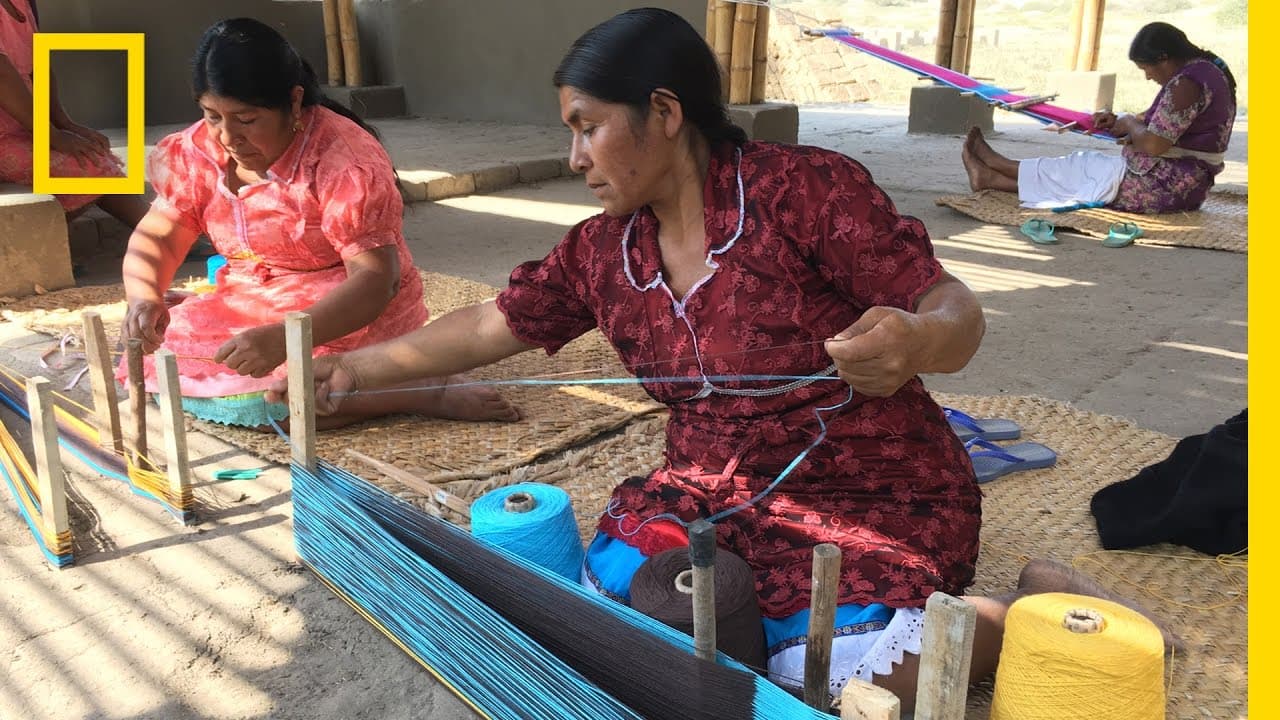
Local communities are essential in protecting Peru's archaeological sites through initiatives like the Sustainable Preservation Initiative (SPI). By engaging traditional women and creating economic opportunities, SPI fosters a sustainable model that benefits both heritage conservation and local livelihoods, ensuring mutual respect and support between the sites and their surrounding communities.
Transcript
(slow guitar music) In Peru it is very common that archaeological sites are surrounded by local communities, villages, towns, where people live usually in the most traditional ways. Pachacamac is a huge archaeological site south of Lima. Around it we have three million people living in shanty towns, in one of the poorest sectors of Lima, always thr... Read More
Key Insights
- 🛟 Local communities are vital in preserving archaeological sites in Peru and should be actively engaged and empowered.
- 🥺 Engaging with traditional women from these communities can lead to successful conservation efforts and economic benefits.
- 🪡 Balancing heritage preservation with the needs of local communities is crucial for sustainability.
- ℹ️ Archaeological sites can become sources of income for communities if properly developed.
- 🛟 SPI's model of involving local communities in heritage preservation can serve as a sustainable approach for conservation efforts.
- 🪡 Encroachment by impoverished communities poses a threat to archaeological sites in Peru, highlighting the need for community engagement.
- 🥳 The relationship between local communities and archaeological sites should be mutually beneficial, adding value to both parties.
Install to Summarize YouTube Videos and Get Transcripts
Explore YouTube Video Summarizer or Get YouTube Transcript Extractor
Questions & Answers
Q: How do local communities in Peru impact the preservation of archaeological sites?
Local communities play a crucial role in protecting archaeological sites in Peru by acting as the first line of defense against encroachment. Their engagement is essential for sustainable preservation efforts and ensuring the sites' integrity.
Q: What is the Sustainable Preservation Initiative (SPI) and how does it benefit local communities?
SPI is an initiative in Peru that engages traditional women from local communities to protect cultural heritage sites. By involving them in preservation efforts, SPI not only safeguards the heritage but also provides economic benefits to the communities.
Q: Why is it important to engage with and involve local communities in heritage preservation?
Engaging with local communities in heritage preservation is essential as it ensures their ownership and involvement in the process. By making them stakeholders, the sites are better protected, and the communities benefit both culturally and economically.
Q: What are the challenges faced by archaeological sites in Peru surrounded by impoverished communities?
Archaeological sites in Peru face the challenge of encroachment by impoverished communities living in shanty towns nearby. Balancing preservation efforts with the needs of these communities is vital to ensure the sites' sustainability.
Summary & Key Takeaways
-
Archaeological sites in Peru, like Pachacamac, are surrounded by impoverished communities that need to be engaged and involved in preservation efforts.
-
The Sustainable Preservation Initiative (SPI) involves traditional women in local communities to protect cultural heritage while benefiting economically.
-
SPI aims to preserve heritage sites by working with and empowering local communities, creating a sustainable model for conservation.
Read in Other Languages (beta)
Share This Summary 📚
Summarize YouTube Videos and Get Video Transcripts with 1-Click
Try YouTube Summary with ChatGPT & Claude or YouTube Transcript Generator
Explore More Summaries from National Geographic 📚




Summarize YouTube Videos and Get Video Transcripts with 1-Click
Try YouTube Summary with ChatGPT & Claude or YouTube Transcript Generator