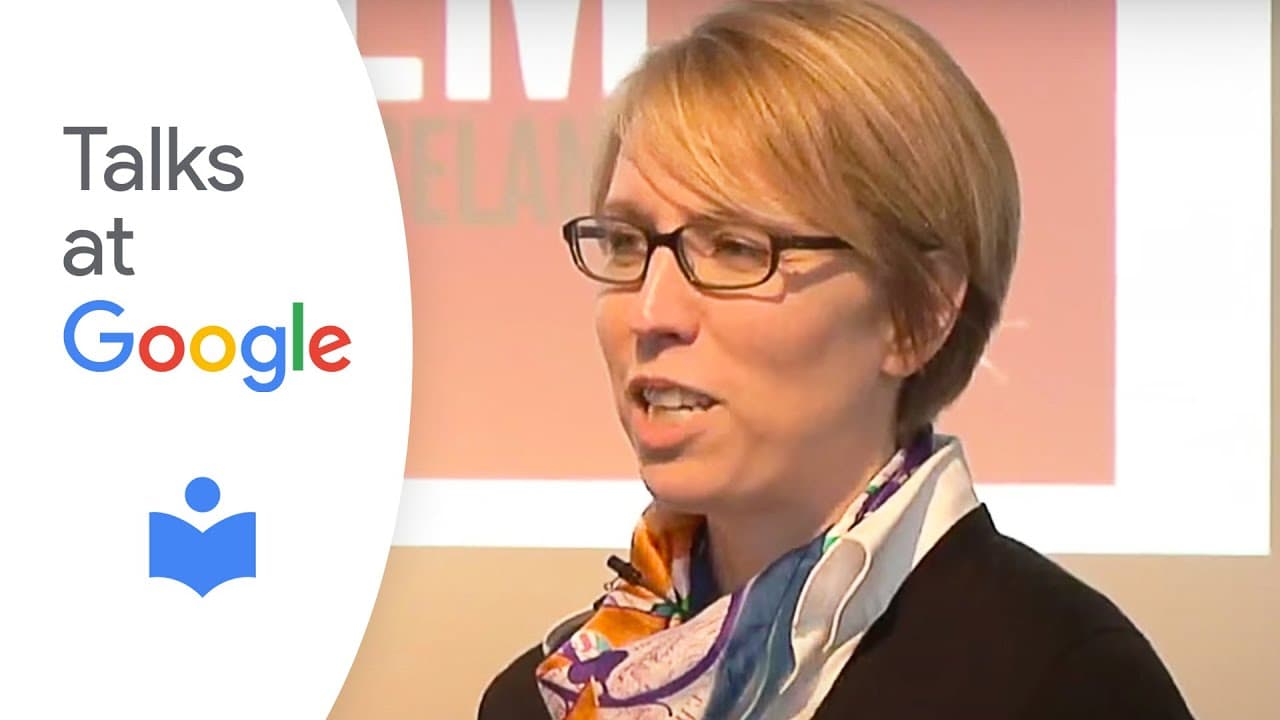
Bringing Down the Banking System: Lessons from Iceland | Gudrun Johnsen | Talks at Google
TL;DR
Gudrun Johnsen discusses the Icelandic banking collapse in 2008 and the causes behind it, highlighting the role of financial supervision and lack of oversight.
Transcript
OMAR ERLINGSSON: My name's Omar Erlingsson. I'm in infrastructure security. I'm here to present the speaker for today's special talk with the Authors at Google series. So our speaker is Gudrun Johnsen, who is a statistician and economist from University of Michigan, Ann Arbor, and she has worked for the Icelandic Parliamentary Special Investigation... Read More
Key Insights
- 🖤 Lack of financial supervision, rapid credit growth, and risky lending practices were primary contributors to the Icelandic banking collapse.
- ✳️ Government negligence, inadequate oversight, and insufficient equity buffers exacerbated the systemic risks.
- 🥺 The collapse led to high unemployment rates, decreased investment, loss of trust in financial institutions, and the imposition of capital controls.
Install to Summarize YouTube Videos and Get Transcripts
Explore YouTube Video Summarizer or Get YouTube Transcript Extractor
Questions & Answers
Q: What were the primary factors leading to the collapse of the Icelandic banks in 2008?
The collapse was primarily caused by rapid credit growth, lack of financial supervision, risky lending practices to holding companies, and inadequate equity buffers in the banking system.
Q: How did the Icelandic government and financial authorities respond to the crisis?
The government failed to take action despite warnings, the Financial Supervisory Authorities lacked proper oversight and tools for data analysis, and the Central Bank did not convey the severity of the situation to policymakers.
Q: What were the consequences of the collapse on the Icelandic economy and its people?
The collapse led to high unemployment rates, decreased investment, loss of trust in financial institutions, and the imposition of capital controls to prevent a capital outflow and stabilize the currency.
Q: How were financial crimes and fraudulent practices addressed post-collapse?
Several individuals involved in fraudulent lending practices and market manipulation were indicted, prosecuted, and sentenced, but the lengths of imprisonment were relatively short, and the prison conditions were mentioned to be favorable compared to the severity of the crimes.
Summary & Key Takeaways
-
Gudrun Johnsen, a statistician and economist, delves into the causes of the Icelandic banking collapse in 2008.
-
The collapse was a result of rapid credit growth, lack of proper supervision, and risky financial practices.
-
The aftermath led to high unemployment rates, government scrutiny, and the implementation of capital controls.
Read in Other Languages (beta)
Share This Summary 📚
Summarize YouTube Videos and Get Video Transcripts with 1-Click
Try YouTube Summary with ChatGPT & Claude or YouTube Transcript Generator
Explore More Summaries from Talks at Google 📚

Summarize YouTube Videos and Get Video Transcripts with 1-Click
Try YouTube Summary with ChatGPT & Claude or YouTube Transcript Generator