This video will change your mind about the AI hype
TL;DR
The content critiques AI hype and explores its implications on technology and job markets.
Transcript
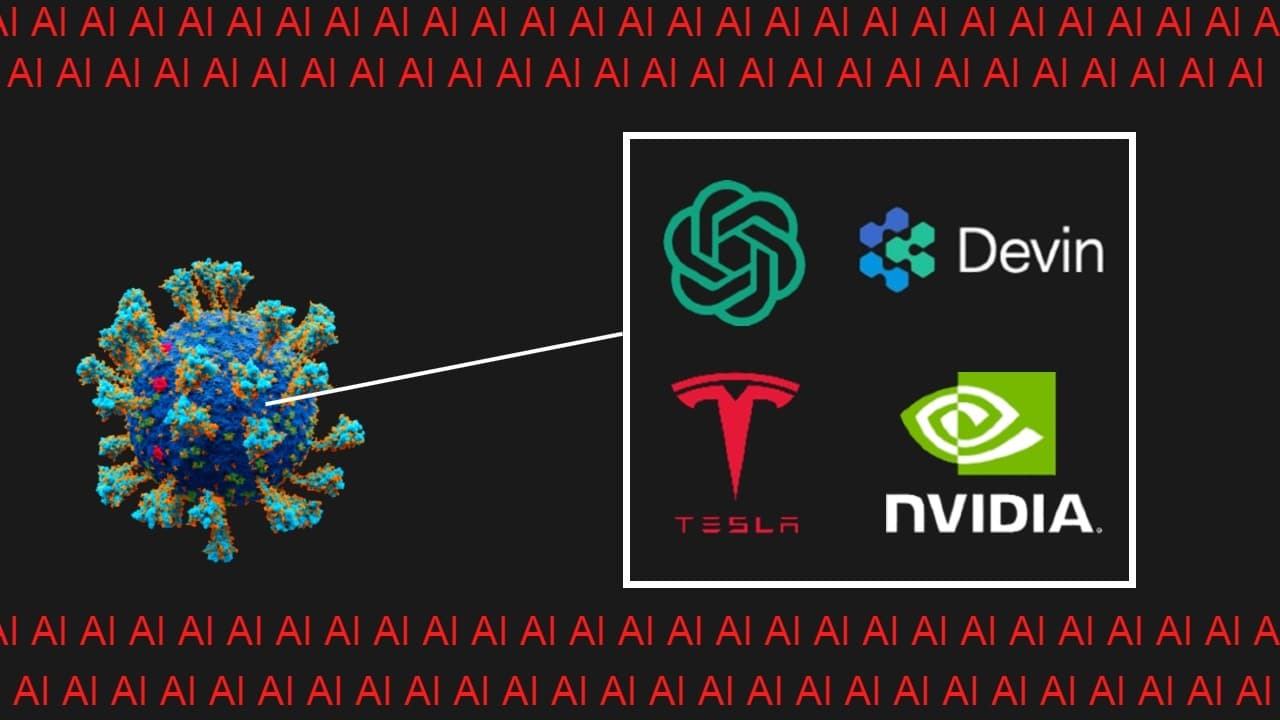
it seems like it's just a 1% Improvement this is actually a 10x Improvement to go there's a new virus running around have you heard about it it's called hype it's as old as human history and some of the symptoms include rabidly mentioning the term ai ai first generative AI third aiying AI finally rigorously tested AI with AI and making verifiably f... Read More
Key Insights
- 🥺 The hype surrounding AI technology often leads to unrealistic expectations and anxiety, overshadowing the actual progress made.
- 😨 Financial investments in AI are motivated by a fear of obsolescence among tech giants, driven by historical examples of companies failing to adapt to market shifts.
- 🪡 There is a critical need for companies to maintain ethical transparency in AI development, as public trust hinges on genuine communication rather than exaggerated claims.
- 🤨 Industry benchmarks suggest that, while AI performance is improving, it is doing so at a slower rate than anticipated, raising questions about long-term viability.
- ❓ Understanding human behavior is crucial in anticipating how technology will affect career landscapes and job automation.
- ❓ The analogy comparing reliability improvements in systems highlights the complexity and challenges in enhancing AI capabilities, dispelling myths about quick advancements.
- 🍉 Many tech companies prioritize short-term stock gains to secure funding rather than focusing on long-term sustainability and ethical practices in AI innovation.
Install to Summarize YouTube Videos and Get Transcripts
Explore YouTube Video Summarizer or Get YouTube Transcript Extractor
Questions & Answers
Q: What are the key symptoms of the "hype" virus mentioned in the content?
The "hype" virus refers to the excitement and exaggerated claims surrounding AI technology. Symptoms include constant buzzwords like "generative AI," and "verified claims" that often prove to be misleading, fostering a culture where companies feel compelled to present their innovations in the most favorable light possible.
Q: Why are tech companies investing so heavily in AI, according to the speaker?
Tech companies are investing in AI to avoid missing out on potential breakthroughs that could disrupt their business models, similar to Microsoft missing out on the smartphone revolution. The fear of being left behind in innovation drives these companies to take risks and allocate significant resources toward AI development.
Q: How does the speaker view the future of AI advancements?
The speaker expresses skepticism regarding the pace of AI advancements, suggesting that while improvements will occur, they will likely be gradual. Historical patterns suggest that as technology matures, achieving significant enhancements becomes increasingly challenging, often requiring revolutionary breakthroughs to manifest noticeable changes.
Q: What caution does the speaker advise regarding career decisions in the context of AI automation?
The speaker cautions against making rash career changes driven by fears of automation. The unpredictability of AI's impact on job markets means individuals should weigh their decisions carefully, considering long-term satisfaction and prospects rather than speculative trends that may not materialize.
Q: Can you explain the analogy used regarding the improvement rates of AI systems?
The analogy compares the difficulty of improving AI performance to enhancing the reliability of technology systems. Moving from 99% to 99.9% reliability is not a mere 1% improvement; it represents a tenfold reduction in failures. Similarly, the journey to advance AI capabilities becomes exponentially harder as the systems approach their limits.
Q: What mistakes do tech companies often make in managing public perception of their AI products?
Tech companies often exaggerate capabilities to boost public excitement or market value. Instances of fake product demos, such as those related to Sora and Google's Gemini, highlight a trend where companies may present overly polished, deceptive portrayals of their technologies to attract investment or consumer interest.
Q: How does the speaker perceive the ethical implications surrounding AI development?
The speaker conveys a critical view of current AI development ethics, citing instances of companies like OpenAI enforcing nondisclosure agreements that hinder transparency. This potentially fosters a culture of deception, which contradicts the ethical stance that should guide technological advancement.
Q: What does the speaker suggest about the ongoing relevance of basic education in a tech-driven world?
The speaker emphasizes the importance of foundational education such as math and programming, arguing that they provide essential skills for navigating an increasingly technology-oriented society. Despite advancements like AI and calculators, the logical thinking developed through traditional educational methods remains vital.
Summary & Key Takeaways
-
The speaker addresses concerns regarding AI's rapid advancements, emphasizing that while AI technology will significantly transform industries, the overarching hype often overshadows reality and leads to misguided expectations.
-
Historical insights reveal that tech companies, fearing obsolescence, are investing heavily in AI, but profitability, as seen with NVIDIA, remains in question, raising uncertainty about the viability of such investments.
-
The narrative explores the cognitive dissonance around AI job automation, urging individuals not to make drastic career decisions based on speculative trends in technology improvement and job market shifts.
Read in Other Languages (beta)
Share This Summary 📚
Summarize YouTube Videos and Get Video Transcripts with 1-Click
Try YouTube Summary with ChatGPT & Claude or YouTube Transcript Generator
Explore More Summaries from NeetCode 📚






Summarize YouTube Videos and Get Video Transcripts with 1-Click
Try YouTube Summary with ChatGPT & Claude or YouTube Transcript Generator