Why Am I Always Tired? Avoid These 6 Energy Vampires | Exhausted
TL;DR
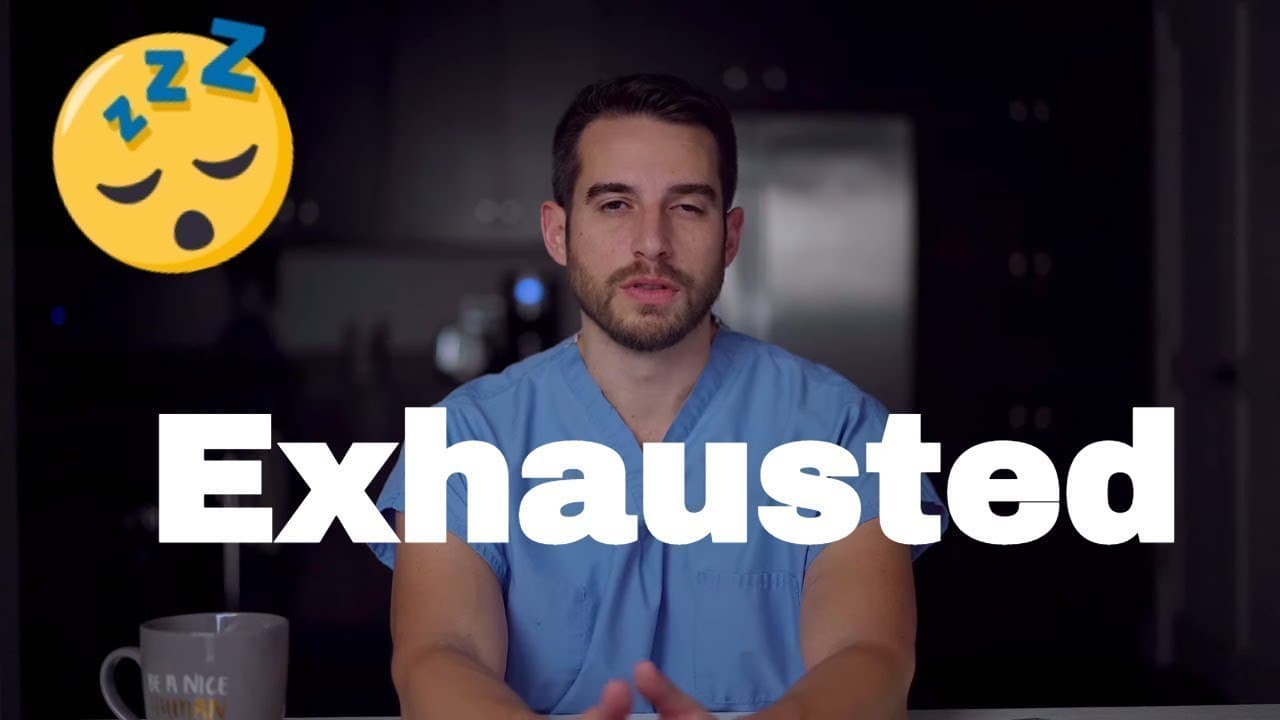
Avoid lack of sleep, inactivity, chronic stress, poor diet, bad fluid choices, and social isolation to increase energy levels.
Transcript
do you feel tired to have like no energy all the time well if you avoid these six things that I'm about to tell you you can increase your energy levels and feel great as someone who's been through residency and fellowship and working crazy hours on average 80 hours a week and then I was also on call every fourth night where you're up for 24... Read More
Key Insights
- 🎴 Aging and certain diseases can contribute to low energy levels, but lifestyle habits also play a significant role.
- 🛌 Good sleep hygiene, including consistent sleep schedule and avoiding electronics before bed, is crucial for quality sleep and high energy levels.
- 🏃 Regular exercise and physical activity can increase baseline energy levels and improve energy efficiency.
- 🎚️ Practicing stress reduction techniques, such as exercise and mindfulness, can lower cortisol levels and improve energy levels.
- 🍌 Maintaining a healthy diet, including a variety of fruits, vegetables, lean proteins, and whole grains, is important for adequate ATP production and sustained energy levels.
- 🍸 Avoiding excessive consumption of sugary drinks, caffeine, and alcohol can help prevent dehydration and fatigue.
- 🍻 Social isolation is linked to depression, which can cause fatigue. Engaging in meaningful social interactions can boost energy levels.
Install to Summarize YouTube Videos and Get Transcripts
Explore YouTube Video Summarizer or Get YouTube Transcript Extractor
Questions & Answers
Q: How does lack of sleep contribute to fatigue?
Lack of good sleep, characterized by inadequate amounts of high-quality sleep, can increase cortisol levels and promote inflammation. Good sleep hygiene practices, such as consistent sleep schedule and avoiding electronics before bed, are essential for quality sleep.
Q: How does inactivity affect energy levels?
Inactivity leads to weakening and shrinking of muscles, resulting in inefficient energy use. Engaging in regular exercise and physical activity strengthens muscles, increases ATP production, and improves energy efficiency.
Q: How does stress impact energy levels?
Chronic stress raises cortisol levels, which reduces ATP production and increases inflammation. By practicing stress reduction techniques such as exercise, yoga, and mindfulness, cortisol levels can be lowered, leading to improved energy levels.
Q: How does diet affect energy levels?
A poor diet lacking essential vitamins and minerals can result in low ATP production, leading to fatigue. Additionally, consuming excessive processed foods and added sugars can increase inflammation and cause chronic fatigue.
Q: How do fluid choices influence energy levels?
Drinking sugary sodas and juices can have the same effect as consuming sugar-rich foods, causing blood sugar spikes and contributing to fatigue. Inadequate hydration, excessive caffeine consumption, and alcohol intake can also lead to dehydration and fatigue.
Q: Does social isolation affect energy levels?
Yes, social isolation is associated with depression, which can cause fatigue. Connecting with others in real-life interactions can provide a new outlook and boost energy levels.
Summary & Key Takeaways
-
Lack of good sleep, defined as inadequate amounts of high-quality sleep, can lead to fatigue. Good sleep hygiene, such as consistent sleep schedule, a cool and quiet room, and avoiding electronics before bed, is important for quality sleep.
-
Inactivity weakens and shrinks muscles, leading to inefficient energy use. Regular exercise and physical activity increase baseline energy levels and improve overall energy efficiency.
-
Chronic stress raises cortisol levels, reducing ATP production and increasing inflammation. Stress reduction techniques like exercise and mindfulness can lower cortisol levels.
-
A poor diet lacking in essential vitamins and minerals can result in low ATP production, leading to fatigue. Consuming too much processed food and added sugars can also cause chronic fatigue.
-
Poor fluid choices, such as sugary drinks and inadequate hydration, can lead to dehydration and fatigue. Avoiding excessive caffeine and alcohol consumption is important for maintaining proper hydration.
-
Social isolation is associated with depression, which can cause fatigue. Connecting with others in real-life interactions can boost energy levels.
Read in Other Languages (beta)
Share This Summary 📚
Summarize YouTube Videos and Get Video Transcripts with 1-Click
Try YouTube Summary with ChatGPT & Claude or YouTube Transcript Generator
Explore More Summaries from Doctor Mike Hansen 📚



Summarize YouTube Videos and Get Video Transcripts with 1-Click
Try YouTube Summary with ChatGPT & Claude or YouTube Transcript Generator