Sonic Spaces: A Psychology of Music and Work | Eric Debrah Otchere
TL;DR
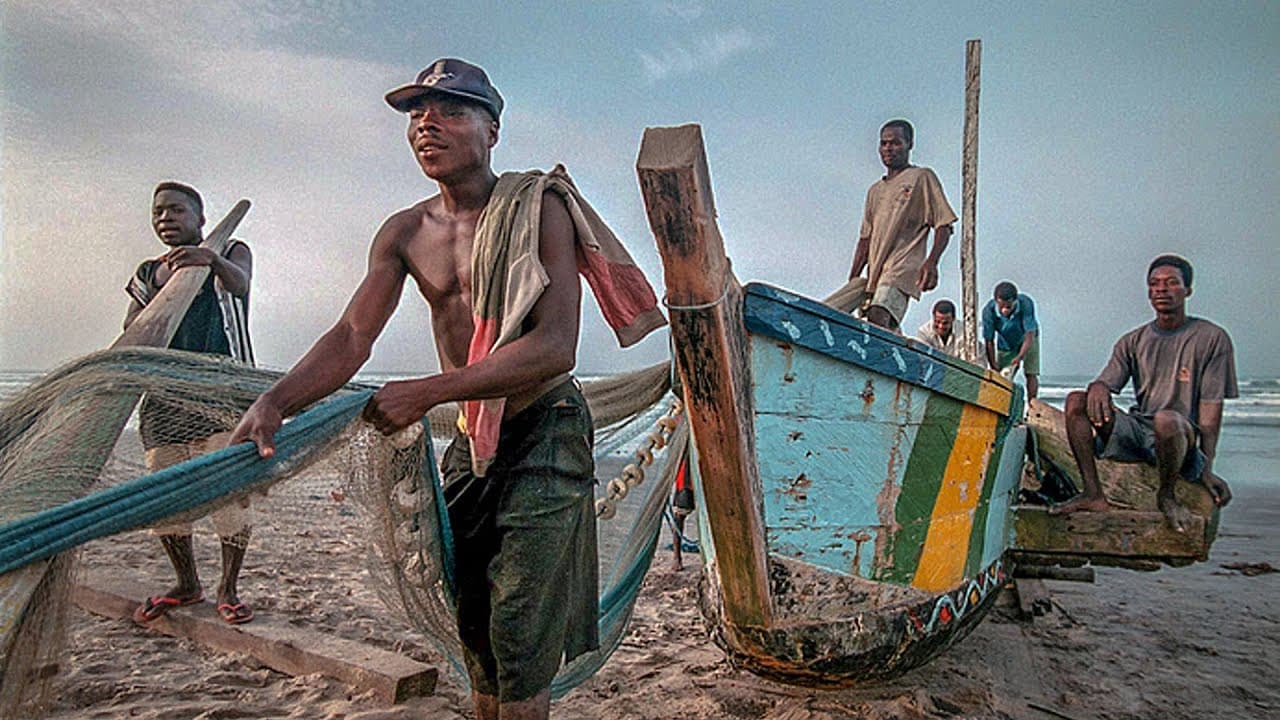
Fisherfolk in Ghana use music as a tool to increase productivity, express emotions, build social bonds, and convey cultural identities while engaging in physically demanding work.
Transcript
hello i'm alexander rose the executive director here at long now i'm joined today by eric debra ocheri all the way from ghana through our partnership with the center for advanced studies and behavioral sciences eric has been studying the way work and sonic spaces come together through his work at the university of cape coast where he is the chair o... Read More
Key Insights
- 💦 Music plays a crucial role in increasing productivity and coordination among fisherfolk engaged in physically demanding work.
- 🧡 The songs reflect a wide range of themes and serve as a communication tool within the fishing communities.
- 😑 The fisherfolk use music to express sensitive and taboo subjects in a playful manner, creating a space for social commentary and moral control.
- 🪸 The songs serve as a means of passing down oral history, cultural traditions, and knowledge from one generation to another.
- 🎣 The rise of modern technologies and commercial fishing practices pose a threat to the continuation of fisherfolk singing traditions, as they reduce the need for synchronized activity and traditional fishing methods.
Install to Summarize YouTube Videos and Get Transcripts
Explore YouTube Video Summarizer or Get YouTube Transcript Extractor
Questions & Answers
Q: How do fisherfolk in Ghana use music to increase productivity?
The music provides reference points for synchronized activity, helps maintain a steady tempo, encourages group participation, and increases coordination, leading to higher productivity in their work.
Q: What are some of the themes reflected in the songs of the fisherfolk?
The songs address a wide range of topics, including family, love, friendship, religion, betrayal, belief in supernatural powers, death, life after death, marriage, divorce, polygamy, infidelity, politics, and obscenities.
Q: How do fisherfolk use music to express sensitive or taboo subjects?
The fisherfolk use a unique language in their songs, known as the "fisher's tongue," which allows them to express sensitive issues through the deliberate use of ambiguities, metaphors, and allusions. This provides them with a sense of privacy in a public domain.
Q: How has modernity and new technologies affected the practice of fisherfolk songs in Ghana?
Modern technologies, such as outboard motors and commercial fishing practices, have reduced the need for synchronized activity and traditional fishing methods. This has led to a decline in the use of songs during work and poses a threat to the continuation of the fisherfolk singing traditions.
Summary & Key Takeaways
-
Fisherfolk in Ghana use vocalizations, rhythmic accompaniments, and non-lexical vocal sounds to create music while engaging in physically demanding work.
-
The music serves as a reference point for synchronized activity and helps increase productivity.
-
The songs reflect various themes, including family, love, friendship, religion, politics, and gender roles, and serve as a communication tool within the fishing communities.
Read in Other Languages (beta)
Share This Summary 📚
Summarize YouTube Videos and Get Video Transcripts with 1-Click
Try YouTube Summary with ChatGPT & Claude or YouTube Transcript Generator
Explore More Summaries from Long Now Seminars 📚






Summarize YouTube Videos and Get Video Transcripts with 1-Click
Try YouTube Summary with ChatGPT & Claude or YouTube Transcript Generator