Homaro Cantu + Ben Roche: Cooking as alchemy
TL;DR
Ben Roche and Homaro Cantu, chefs at Moto restaurant, talk about their unconventional approach to food, creating dishes that look like something else entirely.
Transcript
Ben Roche: So I'm Ben, by the way. Homaro Cantu: And I'm Homaro. BR: And we're chefs. So when Moto opened in 2004, people didn't really know what to expect. A lot of people thought that it was a Japanese restaurant, and maybe it was the name, maybe it was the logo, which was like a Japanese character, but anyway, we had all these requests for Japan... Read More
Key Insights
- 🍣 Many people expected Moto to be a Japanese restaurant, but it quickly became known for its innovative food creations.
- 🥗 Moto experimented with "flavor transformation" by printing the flavors of a maki roll onto a piece of paper and creating dishes that tasted exactly like the pictures.
- 🍰 They also transformed familiar flavors, like turning carrot cake into a hollow shell of carrot cake ice cream frozen in liquid nitrogen, creating a unique dining experience.
- 🚬 Moto even made a Cuban pork sandwich into a Cuban cigar, using spice ash for the wrapper and putting it in an ashtray.
- 🍫 The chefs at Moto made ingredients look like familiar dishes, like nachos that were actually a dessert made from candied chips, chocolate ground beef, and mango sorbet "cheese".
- 🔬 Moto installed a state-of-the-art laboratory in their kitchen, allowing them to engage in serious experimentation and open new doors to creativity.
- 🍔 The chefs challenged themselves to create a hamburger patty made from the same ingredients as what the cow eats, removing the cow from the equation and exploring the possibility of replicating food.
- 🍋 The chefs utilized a natural ingredient called miraculin, which masked certain taste receptors on the tongue and turned sour foods into sweet ones, allowing for potential elimination of sugar in confectionery products.
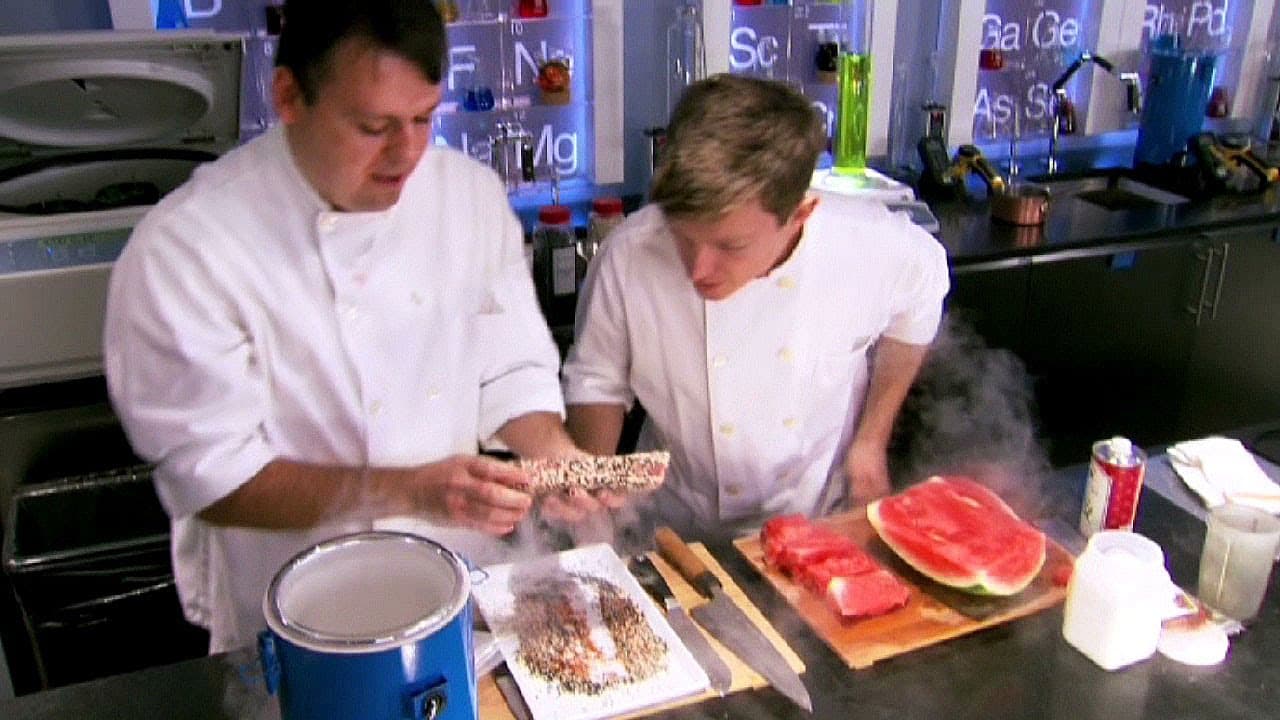
- 🥦 Moto experimented with creating "tuna" from watermelon, eliminating food miles and environmental impact, and exploring disruptive food technology.
- 🌿 Moto took on the challenge of using wild plants as food ingredients, creating unique flavors and redefining what food can be, potentially reducing waste and energy consumption.
Install to Summarize YouTube Videos and Get Transcripts
Explore YouTube Video Summarizer or Get YouTube Transcript Extractor
Questions & Answers
Q: What kind of food did people initially expect Moto to serve?
People initially expected Moto to be a Japanese restaurant due to the name and logo, which featured a Japanese character.
Q: How did Moto respond to the requests for Japanese food?
After receiving numerous requests for Japanese food, Moto decided to give people what they wanted and created printed food that resembled a maki roll.
Q: How did Moto keep their diners interested and engaged?
Moto started serving the same course twice, but the second time, they would present a picture of the dish alongside the actual dish. The picture was created to taste exactly like the dish, creating a unique dining experience.
Q: How did Moto transform familiar flavors into something completely different?
Moto would transform familiar flavors, such as carrot cake, into unconventional forms. For example, they would blend carrot cake into a juice, freeze it with liquid nitrogen, and create a hollow shell of carrot cake ice cream.
Q: What unique creation did Moto design to resemble a Cuban cigar?
Moto created a Cuban cigar out of a Cuban pork sandwich by using the spices from the pork shoulder to make ash, wrapping the sandwich in a collard green, and adding an edible label resembling a cigar label.
Q: How did Moto make ingredients look like familiar dishes?
Moto created a dessert that looked like nachos by using candied chips, chocolate ground beef, and shredded mango sorbet that appeared like melted cheese. When served, it created the illusion of a plate of nachos.
Q: What transformation did Moto undergo in terms of their kitchen?
Moto installed a state-of-the-art laboratory in their basement, transforming their kitchen into a mechanic's shop and allowing them to experiment and innovate with food in new ways.
Q: How did Moto push the boundaries of food innovation?
Moto used innovative techniques and ingredients such as a glycoprotein called miraculin, which could mask sour tastes and make them sweet. They also experimented with transforming local, organic produce into exotic items like watermelon into tuna.
Summary & Key Takeaways
-
Chefs Ben Roche and Homaro Cantu started a restaurant called Moto in 2004, which initially received requests for Japanese food due to its name and logo.
-
Moto started experimenting with printing flavors onto paper and serving pictures of dishes alongside their actual counterparts.
-
Moto also transformed familiar flavors into unique presentations, such as a carrot cake frozen in liquid nitrogen and a Cuban pork sandwich made to look like a cigar.
Read in Other Languages (beta)
Share This Summary 📚
Summarize YouTube Videos and Get Video Transcripts with 1-Click
Try YouTube Summary with ChatGPT & Claude or YouTube Transcript Generator
Explore More Summaries from TED 📚
Summarize YouTube Videos and Get Video Transcripts with 1-Click
Try YouTube Summary with ChatGPT & Claude or YouTube Transcript Generator