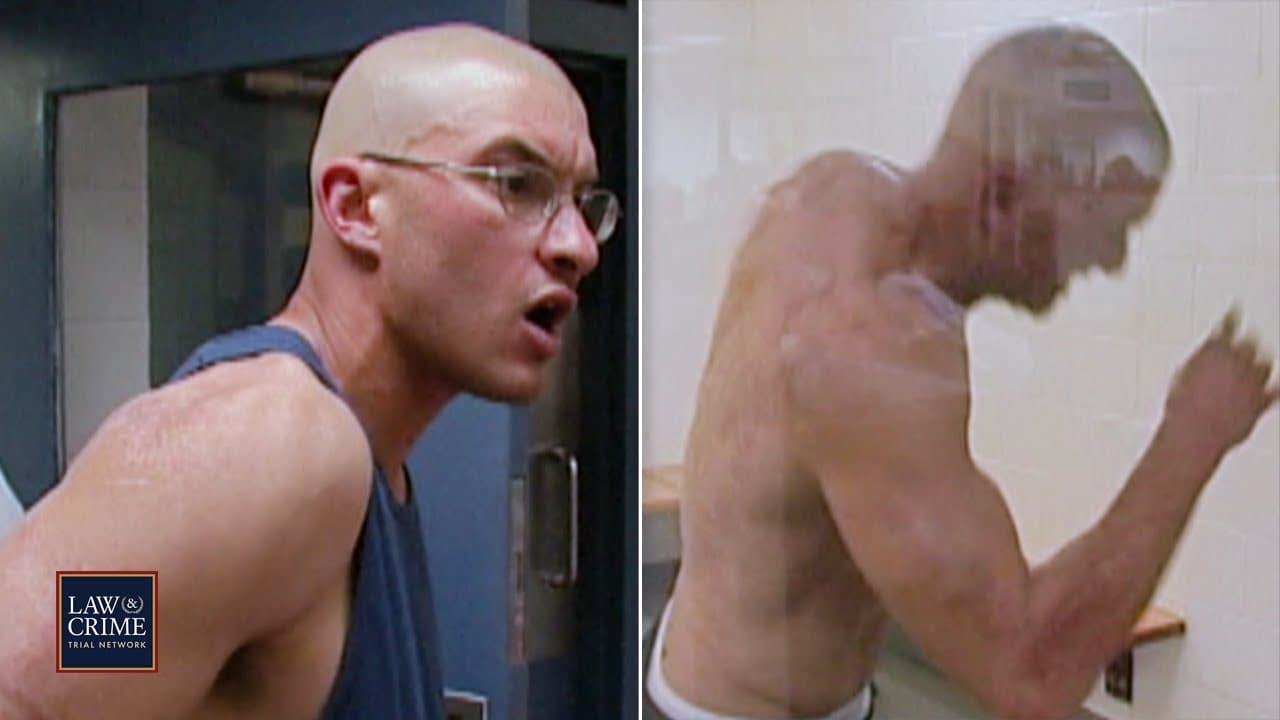
Aggressive Detainee Throws Tantrum, Bangs Head on Window Over Breathalyzer (JAIL)
TL;DR
Inmates go through processing, from medical checks to restraint chairs, showcasing struggles and interactions with officers.
Transcript
after arrest and before trial comes jail all suspects are innocent until proven guilty in a court of law I've been with Hillsborough County Sheriff's Office about 12 years now I am currently an intake supervisor here at Orient Road jail in the booking area the female officer can work a mail housing area as well as a female housing area and we expec... Read More
Key Insights
- 😷 Processing involves medical checks and cooperation for timely release.
- 🧑🦼 Use of restraint chairs helps control escalating inmate behavior.
- 👮 Officers balance firmness and empathy in handling uncooperative inmates.
- ❓ Delayed release due to intoxication requires proper assessments.
- 🧑🦼 Inmates undergo reflection in restraint chairs for behavior correction.
- 👮 Officers maintain order and safety during processing interactions.
- ❓ Intoxicated inmates may not recall their actions, impacting processing.
Install to Summarize YouTube Videos and Get Transcripts
Explore YouTube Video Summarizer or Get YouTube Transcript Extractor
Questions & Answers
Q: How do officers handle uncooperative inmates during processing?
Officers encounter uncooperative inmates, leading to delayed release and possible restraint chair usage to maintain control and safety. Cooperation is crucial for smooth processing.
Q: What are the reasons for using a restraint chair?
Restraint chairs are employed when inmates escalate behavior, endangering themselves and others. It provides a moment of reflection for the inmate to realize their actions.
Q: How do medical checks impact the processing timeline?
Inmates refusing medical checks can delay release times, as intoxication levels need to be determined for safety reasons before allowing them to leave the facility.
Q: How do officers handle intoxicated inmates during processing?
Officers must assess intoxicated inmates for safety, medical needs, and processing requirements, ensuring a balance between firmness and empathy in handling the situation.
Summary & Key Takeaways
-
Inmates undergo medical checks and refusal to cooperate affects release times.
-
Some inmates escalate behavior leading to restraint chair usage.
-
Officers deal with uncooperative inmates and strive to maintain order during processing.
Read in Other Languages (beta)
Share This Summary 📚
Summarize YouTube Videos and Get Video Transcripts with 1-Click
Try YouTube Summary with ChatGPT & Claude or YouTube Transcript Generator
Explore More Summaries from Law&Crime Network 📚






Summarize YouTube Videos and Get Video Transcripts with 1-Click
Try YouTube Summary with ChatGPT & Claude or YouTube Transcript Generator