Slavoj Žižek: Political Correctness is a More Dangerous Form of Totalitarianism | BEST OF 2015
TL;DR
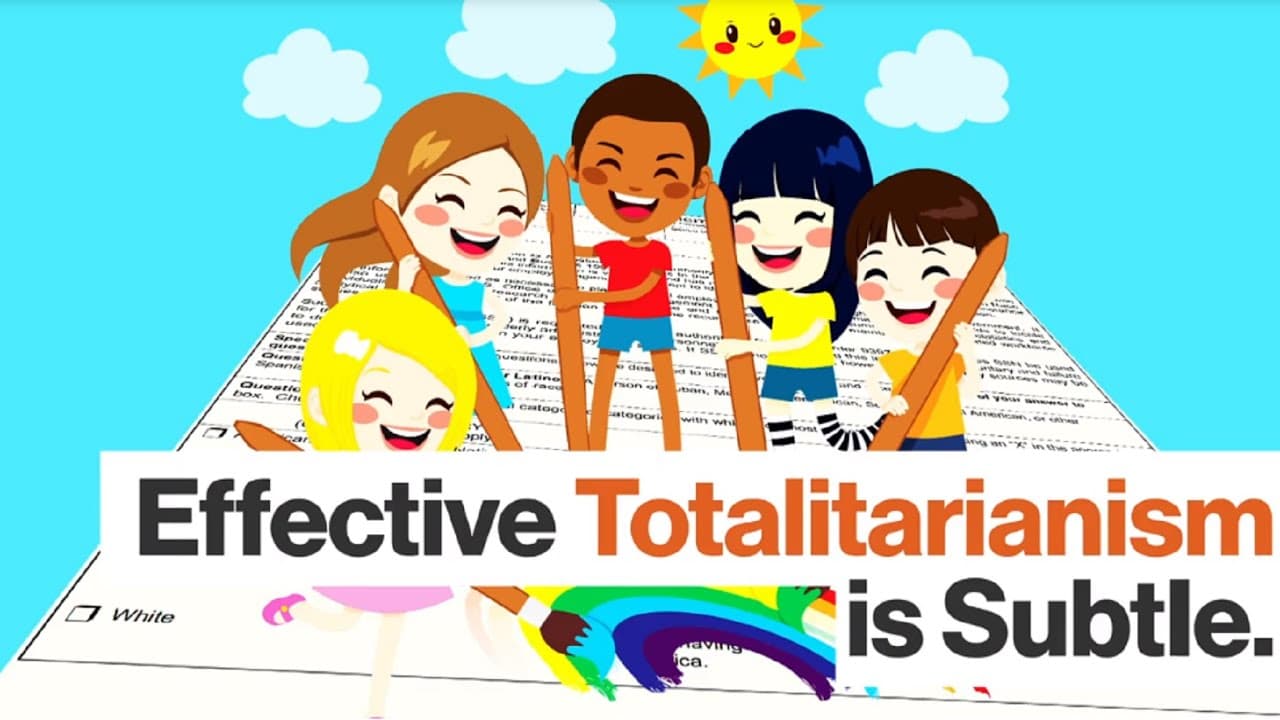
The complexity of modern authority and political correctness explores the thin line between control and freedom through examples of traditional and permissive authority.
Transcript
Of course I have nothing against the fact that your boss treats you in a nice way and so on. The problem is if this not only covers up the actual relationship of power, but makes it even more impenetrable. You know, if you have a boss who is up there, the old-fashioned boss shouting at you, exerting full brutal authority. In a way it’s much easier ... Read More
Key Insights
- ❓ Modern permissive authority employs subtle pressures to elicit compliance effectively.
- 🎮 Political correctness may hinder genuine connections by imposing strict controls on interactions.
- 😚 Friendly obscenities and unfiltered interactions can foster closer relationships and true understanding.
- 👥 Racist jokes, when shared among diverse groups, can create a sense of shared solidarity.
- 🔇 The speaker questions the effectiveness of political correctness in addressing complex social issues like racism.
- 😐 Authority figures may use seemingly neutral statements to exert control and influence behavior.
- 🎮 The balance between control and freedom in relationships and society is crucial for authentic interactions.
Install to Summarize YouTube Videos and Get Transcripts
Explore YouTube Video Summarizer or Get YouTube Transcript Extractor
Questions & Answers
Q: How does the speaker illustrate the difference between traditional and permissive authority?
The speaker uses examples of a traditional father commanding a child to visit their grandmother versus a permissive father giving the child the illusion of choice to showcase the subtleties of modern authority.
Q: What is the speaker's perspective on smoking and e-cigarettes in relation to ethical control?
The speaker expresses skepticism towards the ethical control surrounding smoking, citing e-cigarettes' ban on flights not for health concerns but as a means of discouraging public displays of addiction and maintaining distance from passionate engagement.
Q: How does the speaker view the role of racist jokes in fostering solidarity?
The speaker emphasizes how racist jokes, when shared among different ethnic groups, can build a sense of camaraderie through self-deprecating humor, contrasting oppressive racism with a form of shared solidarity.
Q: In what way does the speaker critique political correctness?
The speaker criticizes political correctness for promoting controlled racism instead of genuinely overcoming it, arguing that friendly obscenities and unfiltered interactions are necessary for establishing authentic connections.
Summary & Key Takeaways
-
The speaker discusses the nuances of authority, comparing traditional authoritarianism with modern permissive authority.
-
Examples of friendly bosses and permissive fathers reveal how subtle pressure can be more effective than overt commands.
-
The talk delves into the ambiguity of political correctness, highlighting how it may suppress genuine connections and interactions.
Read in Other Languages (beta)
Share This Summary 📚
Summarize YouTube Videos and Get Video Transcripts with 1-Click
Try YouTube Summary with ChatGPT & Claude or YouTube Transcript Generator
Explore More Summaries from Big Think 📚

Summarize YouTube Videos and Get Video Transcripts with 1-Click
Try YouTube Summary with ChatGPT & Claude or YouTube Transcript Generator