2022 Fall SIEPR Policy Forum Keynote: Taxation as Moral and Civic Education
TL;DR
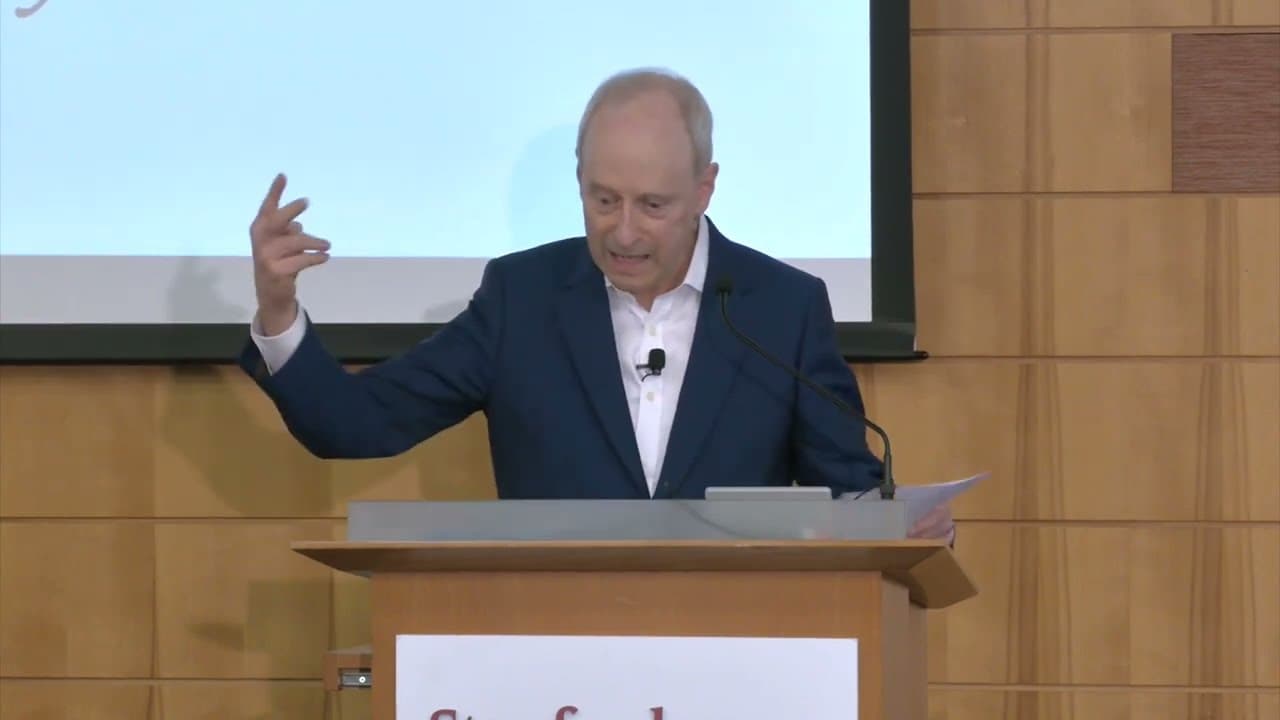
Professor Sandel discusses the importance of recognizing the value of work, addressing economic injustice, and fostering meaningful societal connections to bridge the gap between elites and non-elites.
Transcript
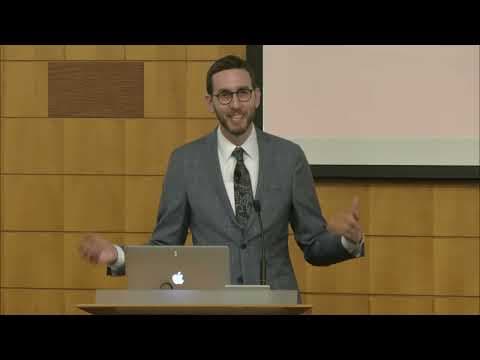
we are going to be wrapping up today with a somewhat higher level perspective we're not going to get into the minutia of 0.3375 of the sales tax goes to I love that stuff that's my kind of stuff we're going to a little area it's slightly different area with so many of the issues we've been discussing today our keynote speaker is Professor Michael s... Read More
Key Insights
- 💦 The importance of expanding the recognition of work beyond traditional definitions to include unpaid labor and societal contributions.
- 💱 The impact of trust in experts on addressing complex social issues such as climate change and economic policy.
- 👾 The role of shared public spaces and class mixing institutions in fostering social cohesion and reducing societal polarization.
- 💦 The need to reevaluate economic arrangements and policies to prioritize the dignity of work, address economic injustices, and promote a more equitable society.
Install to Summarize YouTube Videos and Get Transcripts
Explore YouTube Video Summarizer or Get YouTube Transcript Extractor
Questions & Answers
Q: How does Professor Sandel propose addressing the economic disparities that undervalue certain forms of work?
Professor Sandel advocates for expanding the definition of work beyond paid labor and challenging societal hierarchies that prioritize certain occupations, emphasizing the moral and social value of all forms of contribution.
Q: What role does societal trust in experts play in addressing complex issues like climate change?
Professor Sandel highlights the erosion of trust in experts due to past economic failures and the need for a broader approach to addressing environmental challenges that goes beyond scientific knowledge to encompass political deliberation and inclusivity.
Q: How can class mixing institutions help bridge the divide between elites and non-elites?
Professor Sandel suggests creating more shared public spaces that bring people from diverse backgrounds together, fostering interactions that promote empathy, understanding, and a sense of common citizenship, thereby reducing social stratification.
Q: In what ways can economic policies be restructured to prioritize the dignity of work and address societal inequalities?
Professor Sandel stresses the importance of reevaluating economic arrangements and policies to recognize the moral and civic implications of work, advocating for measures that enhance social recognition, value diverse contributions, and promote equitable access to opportunities.
Summary & Key Takeaways
-
Professor Sandel emphasizes the significance of reevaluating economic arrangements and policies that undervalue work and contribute to societal polarization.
-
He highlights the need to reconsider the status quo and reassess societal values that shape economic structures and impact social cohesion.
-
By examining the moral implications of economic decisions and prioritizing the dignity of work, he suggests pathways towards addressing inequality and fostering a more equitable society.
Read in Other Languages (beta)
Share This Summary 📚
Summarize YouTube Videos and Get Video Transcripts with 1-Click
Try YouTube Summary with ChatGPT & Claude or YouTube Transcript Generator
Explore More Summaries from Stanford Institute for Economic Policy Research (SIEPR) 📚
Summarize YouTube Videos and Get Video Transcripts with 1-Click
Try YouTube Summary with ChatGPT & Claude or YouTube Transcript Generator