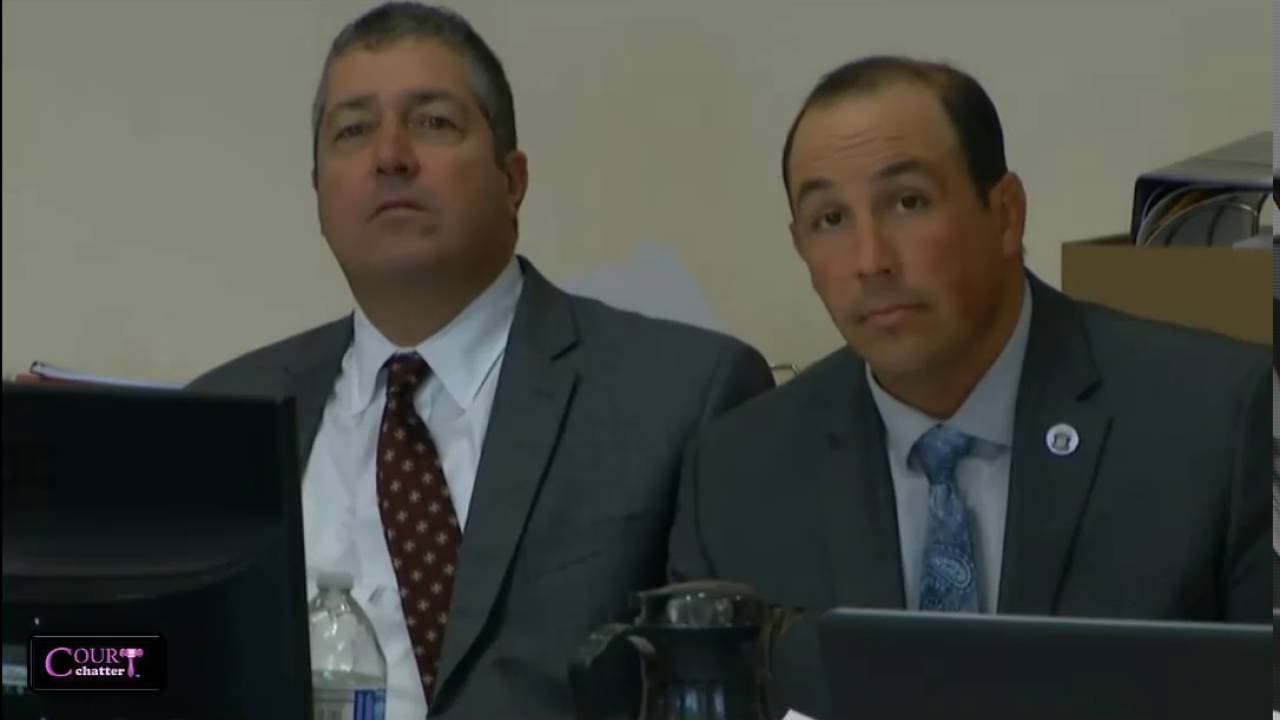
Sandy and Perez Trial Day 7 Part 1 09/27/16
TL;DR
Officer engages in crisis negotiation with a mentally ill subject to de-escalate a potential threat.
Transcript
no they have must respect to the Court's time breathing out the weather factor this trials on going out with respect to suggest that we wait one more hour and the reason i do that your honor is the father we have now if we don't we've already lost to the total we don't know if it's a simply a flat tire with and she's getting help aid in five projec... Read More
Key Insights
- 😜 Crisis negotiators receive specialized training to handle mentally ill individuals with empathy and understanding.
- 🤩 Maintaining distance and establishing rapport are key components in successful crisis negotiations.
- 🙃 De-escalation techniques aim to reduce aggression and resolve crisis situations peacefully.
- 🦺 Maintaining calm, assessing risks, and using less lethal options are crucial in ensuring safety during crisis negotiation.
- 🦻 Debriefing after crisis negotiations aids in sharing information, improving strategies, and mitigating future risks.
- 🙃 Communication, rapport building, and de-escalation skills are critical in handling crisis situations effectively.
- 🖐️ Crisis negotiators play a crucial role in diffusing tense situations and preventing escalations to ensure a peaceful resolution.
Install to Summarize YouTube Videos and Get Transcripts
Explore YouTube Video Summarizer or Get YouTube Transcript Extractor
Questions & Answers
Q: What is the role of a Crisis Negotiator in handling mentally ill subjects?
Crisis negotiators use de-escalation techniques to communicate and establish rapport with individuals in crisis, focusing on peaceful resolutions.
Q: How does distance play a crucial role in ensuring safety during crisis negotiation?
Maintaining distance allows negotiators to have reaction time and observe nonverbal cues while minimizing potential threats.
Q: What tactics are employed to prevent escalation when dealing with erratic behavior?
Keeping calm, focusing on root issues, and allowing individuals to ventilate emotions can help subdue erratic behavior and prevent escalation.
Q: Why is debriefing essential after a crisis negotiation?
Debriefing allows for sharing critical information, assessing interaction strategies, and improving future responses to crisis situations.
Summary & Key Takeaways
-
Officer engages in crisis negotiation with mentally ill individual.
-
Officer maintains distance and rapport while communicating.
-
Team arrives, pulls officer off mountain, and shooting occurs shortly after.
Read in Other Languages (beta)
Share This Summary 📚
Summarize YouTube Videos and Get Video Transcripts with 1-Click
Try YouTube Summary with ChatGPT & Claude or YouTube Transcript Generator
Explore More Summaries from Law&Crime Network 📚





Summarize YouTube Videos and Get Video Transcripts with 1-Click
Try YouTube Summary with ChatGPT & Claude or YouTube Transcript Generator