How Can Reducing Methane Emissions Slow Climate Change?

TL;DR
Reducing methane emissions is the fastest way to slow climate change, as methane has a significant warming impact over a short period. Immediate actions in energy production, waste management, and agriculture can cut methane emissions in half, with available technologies making such reductions feasible and economically viable. Effective methane reduction can dramatically lower global warming risks within a decade.
Transcript
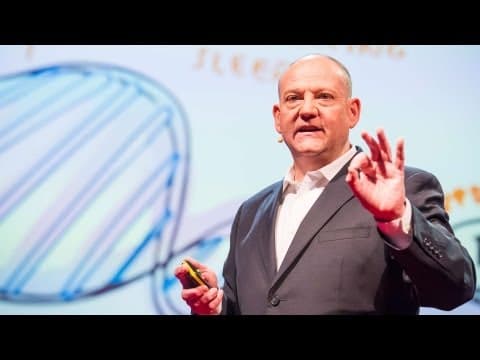
In the time it took me to walk on stage around 10 seconds, more than 10,000 metric tons of climate-warming gases have been pumped into the atmosphere from human actions. To provide some context on just how much that is, That is the weight equivalent of 170,000 of me emitted in gas in 10 seconds. Ninety-nine percent of this pollution is carbon dioxi... Read More
Key Insights
- 🌍 Over 10,000 metric tons of climate-warming gases are emitted into the atmosphere from human actions every 10 seconds, with 99% being carbon dioxide (CO2) and 1% methane. Methane could cause more warming in the next 10 years than all of the CO2 emissions combined due to its high energy absorption.
- 🌱 Achieving net-zero emissions is crucial to stabilize the climate and protect future generations, but immediate action is necessary to mitigate the devastating impacts of climate change in the near future.
- 🔥 Methane emissions have a significant and immediate impact on global warming. Reducing methane is the fastest and most effective way to slow down the rate of warming, as methane emissions have a shorter lifespan in the atmosphere compared to CO2.
- 🔎 Advanced technologies, including satellites and sensors, enable accurate detection and measurement of methane emissions, making it possible to identify and fix leaks effectively. This presents an optimistic outlook for the future, as we have the means to address the methane problem.
- 💡 Cutting methane emissions from energy production, waste management, and agriculture is essential. The majority of methane emissions from energy come from producing fossil fuels, and leaks in the pipeline infrastructure contribute significantly. Improving waste management practices and implementing innovative technologies in agriculture can reduce methane emissions further.
- ♻️ Utilizing methane as an energy source can contribute to emission reduction efforts. Capturing methane from landfills and using it to generate electricity is an effective solution, as methane is a highly energy-rich fuel.
- 🐄 Livestock, particularly cattle, is a significant source of methane emissions through enteric fermentation. Higher-quality feed and feed supplements can help mitigate these emissions, without compromising productivity or quality. Additionally, capturing methane from livestock manure through anaerobic digesters can provide renewable energy.
- 💨 Acting swiftly and implementing a full set of affordable and available strategies to reduce methane emissions is necessary. Establishing methane targets for companies and integrating methane reduction into international climate agreements, such as the Paris Agreement, can expedite emission reductions and provide immediate benefits to communities and the environment.
Install to Summarize YouTube Videos and Get Transcripts
Explore YouTube Video Summarizer or Get YouTube Transcript Extractor
Questions & Answers
Q: Why is reducing methane emissions important in the context of climate change?
Reducing methane emissions is crucial because methane has a higher warming power than carbon dioxide in the short term, and cutting methane is the fastest and most effective way to slow down the rate of warming.
Q: What are the main sources of methane emissions?
The main sources of methane emissions are energy production (particularly the extraction and transportation of fossil fuels), waste management (such as landfills), and agriculture (especially livestock and rice production).
Q: What technologies and solutions can be implemented to reduce methane emissions?
Technologies such as tightening valves and engines, using vacuum tubes for methane collection in landfills, and developing feed supplements for livestock can effectively reduce methane emissions. Additionally, modifying practices in rice production and implementing shallow water levels can also help lower methane emissions.
Q: How can cutting methane emissions benefit us in the near term?
Cutting methane emissions can have immediate benefits, such as slowing down the rate of warming, helping communities and ecosystems adapt to climate change, reducing extreme weather events, improving air quality, and addressing the inequity of climate change through job creation.
Summary & Key Takeaways
-
Methane emissions contribute significantly to global warming, and reducing them is the fastest way to slow down the rate of warming.
-
Methane's warming power primarily comes from recent emissions, making immediate action critically important.
-
Cutting methane emissions is feasible and cost-effective, especially in the areas of energy production, waste management, and agriculture.
Read in Other Languages (beta)
Share This Summary 📚
Summarize YouTube Videos and Get Video Transcripts with 1-Click
Try YouTube Summary with ChatGPT & Claude or YouTube Transcript Generator
Explore More Summaries from TED 📚





Summarize YouTube Videos and Get Video Transcripts with 1-Click
Try YouTube Summary with ChatGPT & Claude or YouTube Transcript Generator