The Science of Roadkill
TL;DR
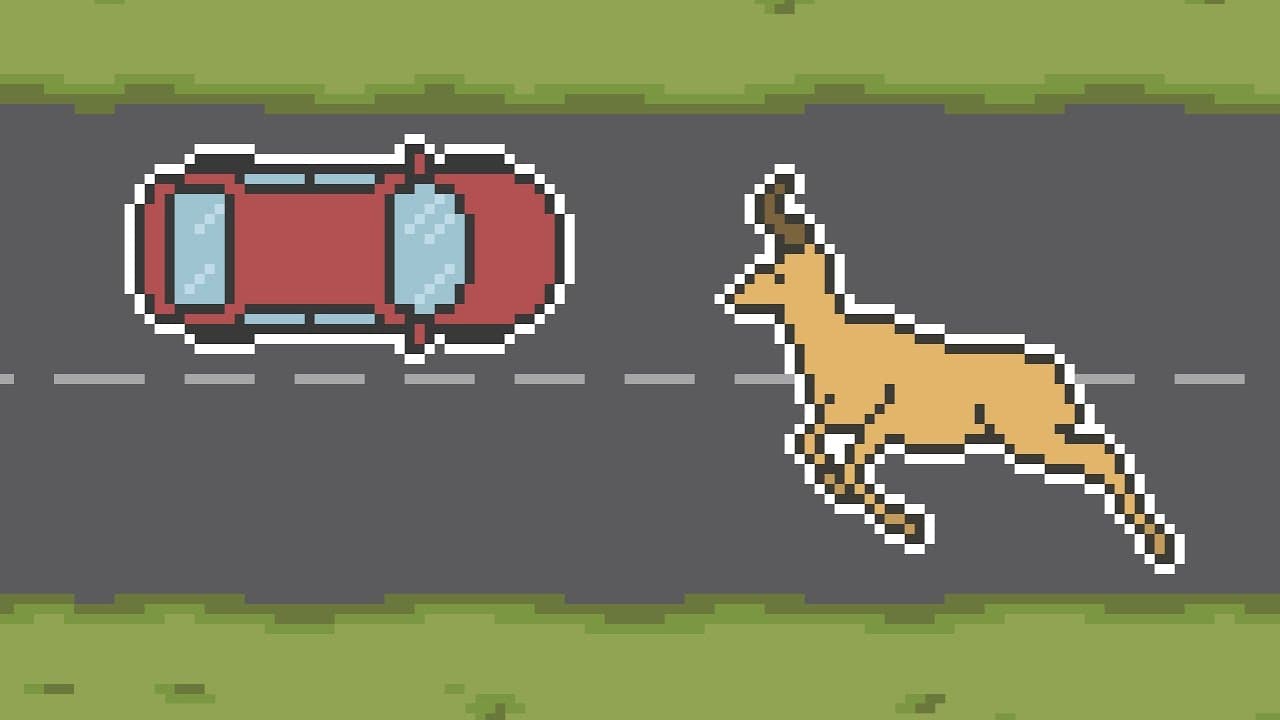
Cars inadvertently serve as predators, providing valuable scientific insights through roadkill analysis.
Transcript
Hi this is David from MinuteEarth. If you wanted to design the perfect predator, you’d make it huge, impossibly strong, incredibly fast, and capable of freezing its prey as it approached. And we've actually built pretty much that very thing: a car. And while cars aren’t car-nivores, every day they mow down millions of animals - and that doesn’t eve... Read More
Key Insights
- 💥 Vehicle collisions provide valuable data for scientists studying animal behaviors and ecological impacts.
- 🦻 Roadkill analysis aids in understanding climate change effects on wildlife phenology.
- 🕵️ Invasive species presence can be detected through changes in roadkill patterns.
- 🆘 Understanding various animal behaviors towards roads helps in predicting roadkill occurrences.
- ℹ️ Roadkill serves as a source of ecological information, contributing to conservation efforts.
- 🧑🔬 Scientists utilize roadkill studies as a means to gather data on predator-prey relationships.
- 💩 Different animals exhibit various responses to road traffic, influencing their likelihood of being hit.
Install to Summarize YouTube Videos and Get Transcripts
Explore YouTube Video Summarizer or Get YouTube Transcript Extractor
Questions & Answers
Q: How do scientists benefit from studying roadkill?
Scientists analyze roadkill to study climate change impacts, invasive species, predator behavior, and dietary habits of animals, providing valuable ecological insights.
Q: What are some examples of valuable information gathered from roadkill analysis?
Roadkill data has revealed early snake emergence due to rising temperatures, python invasion in the Everglades, and pesticide exposure in bird species.
Q: How do different animal behaviors affect their likelihood of being victims of roadkill?
Animals like pronghorns and bats demonstrate avoidance behaviors, while armadillos tend to freeze, making them more susceptible to being hit by cars.
Q: How do scientists account for varying patterns of roadkill in their analysis?
Scientists understand and adjust for different animal behaviors and frequencies of roadkill to ensure accurate scientific conclusions.
Summary & Key Takeaways
-
Cars act as unintentional predators, causing roadkill of various animals.
-
Scientists utilize roadkill for ecological studies and data collection.
-
Roadkill analysis offers insights into climate change, invasive species, and predator-prey dynamics.
Read in Other Languages (beta)
Share This Summary 📚
Summarize YouTube Videos and Get Video Transcripts with 1-Click
Try YouTube Summary with ChatGPT & Claude or YouTube Transcript Generator
Explore More Summaries from MinuteEarth 📚




Summarize YouTube Videos and Get Video Transcripts with 1-Click
Try YouTube Summary with ChatGPT & Claude or YouTube Transcript Generator