Why Do People Believe in Conspiracy Theories?
TL;DR
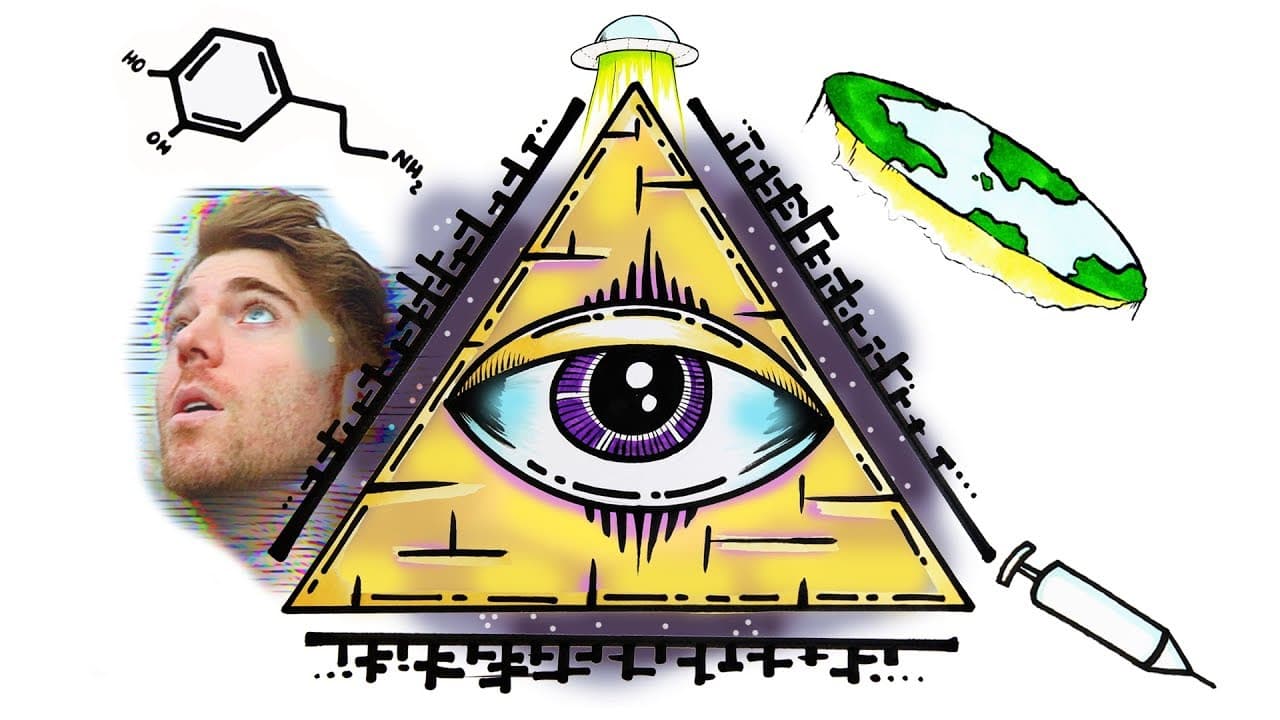
Over 50% of Americans subscribe to at least one conspiracy theory, primarily due to cognitive biases and an evolutionary predisposition to identify threats. Factors like dopamine levels, anxiety, and the internet's role in disseminating misinformation further amplify belief in these theories, illustrating the complexities of human perception and social influence.
Transcript
Conspiracy theories have been around for centuries. In fact, many historians believe that the American Declaration of Independence was created in response to a potential British plot that actually didn't exist. And while you may not think that you believe in any conspiracy theories, they follow such an effective, cognitive formula that you might be... Read More
Key Insights
- ❓ Conspiracy theories have existed for centuries and continue to be prevalent, with over 50% of Americans believing in at least one.
- 🖤 Our brains are biologically predisposed to find patterns and create meaning, making conspiracy theories seem plausible despite lacking solid evidence.
- 👨🔬 Vulnerability to conspiracy theories is influenced by dopamine levels, anxiety, feelings of powerlessness, and a search for order within chaos.
- 👻 The Internet has disrupted traditional gatekeepers of information, allowing conspiracy theories to spread more easily.
- 🥡 Platforms like Pinterest and YouTube are taking actions to combat the spread of conspiracy theories, but more efforts are needed.
- 🖤 Believing in conspiracy theories does not imply a lack of intelligence but highlights the susceptibility of our brains to cognitive biases.
Install to Summarize YouTube Videos and Get Transcripts
Explore YouTube Video Summarizer or Get YouTube Transcript Extractor
Questions & Answers
Q: How do conspiracy theories manipulate the brain?
Conspiracy theories tap into our evolutionary instincts to be prepared for potential threats, leading us to find patterns and create meaning where there may not be any solid evidence.
Q: Are people who believe in conspiracy theories dumb?
No, falling for conspiracy theories does not imply stupidity. Our brains are susceptible to cognitive biases and vulnerabilities that can make certain individuals more prone to believing in conspiracies.
Q: How do conspiracy theories impact society?
Conspiracy theories can have damaging effects, such as the spread of misinformation about important issues like global warming and vaccines, leading to public health risks and societal divisions.
Q: How do algorithms contribute to the proliferation of conspiracy theories?
Algorithm-driven platforms like YouTube often prioritize emotionally intense content, including conspiracy theory videos, to keep users engaged, leading to the targeting of vulnerable individuals and potential spread of misinformation.
Summary & Key Takeaways
-
Conspiracy theories have existed for centuries, potentially due to an evolutionary advantage in identifying potential threats.
-
The illusory pattern perception, a cognitive bias, leads humans to notice patterns and create meaning from random stimuli, making conspiracy theories seem plausible.
-
Vulnerability to conspiracy theories is linked to dopamine levels, anxiety, uncertainty, and feelings of powerlessness.
Read in Other Languages (beta)
Share This Summary 📚
Summarize YouTube Videos and Get Video Transcripts with 1-Click
Try YouTube Summary with ChatGPT & Claude or YouTube Transcript Generator
Explore More Summaries from AsapSCIENCE 📚




Summarize YouTube Videos and Get Video Transcripts with 1-Click
Try YouTube Summary with ChatGPT & Claude or YouTube Transcript Generator