How to use the placebo effect to (actually) feel better
TL;DR
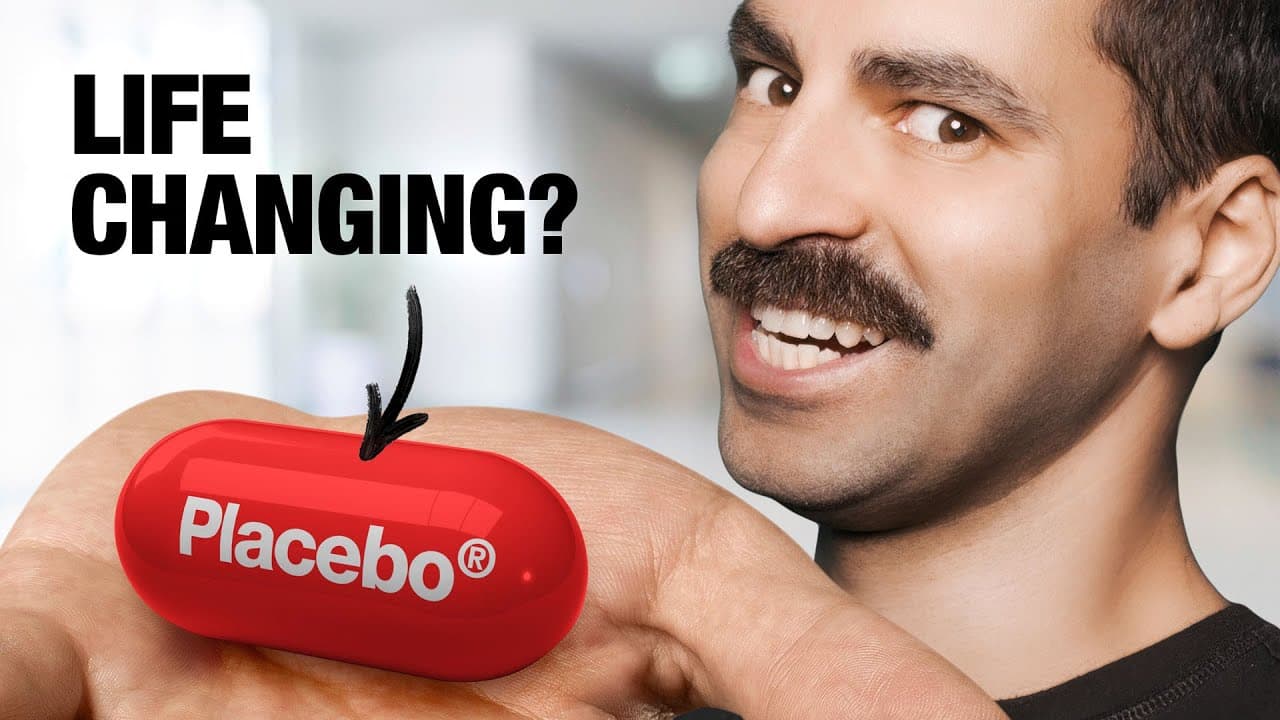
The placebo effect is a fascinating phenomenon in medicine where a patient experiences a perceived improvement in their condition despite receiving an inert substance or treatment.
Transcript
(bright music) - The placebo effect. Well, you know what that is, right? - The placebo effect is the effect of an inert substance, the effect of something that has no effect. - The things that shape our mindsets, which in turn activate our bodies' natural healing abilities. - Except, I promise you, it is way more fascinating and weird than you thin... Read More
Key Insights
- 🤯 The placebo effect is a powerful phenomenon that demonstrates the mind's ability to influence physical well-being.
- 🤩 Expectation and perception play key roles in the placebo effect, shaping the brain's response to treatments.
- 😷 The placebo effect is commonly observed in medical trials and has ethical implications in healthcare practice.
- ❎ The nocebo effect, the negative counterpart of the placebo effect, can induce adverse symptoms or outcomes based on negative expectations or suggestions.
Install to Summarize YouTube Videos and Get Transcripts
Explore YouTube Video Summarizer or Get YouTube Transcript Extractor
Questions & Answers
Q: How does the placebo effect work?
The placebo effect is believed to work by engaging the brain's natural healing mechanisms. When a patient believes they are receiving an effective treatment, their brain responds by releasing endorphins and neurotransmitters that reduce pain, improve mood, and promote healing.
Q: Can the placebo effect be used in medical treatments?
While healthcare professionals cannot knowingly prescribe placebos, they can optimize the placebo effect through positive doctor-patient relationships, explaining the benefits of medications, and incorporating rituals and symbols of healing. Integrative medicine practices, such as acupuncture and meditation, may also enhance the placebo effect.
Q: Are there any ethical concerns related to the placebo effect?
Ethical concerns arise when patients are deceived or misled about the nature of a treatment. It is essential for healthcare professionals to provide accurate information, ensure informed consent, and maintain transparency for the best patient care.
Q: Can the placebo effect replace active treatment?
The placebo effect can provide temporary relief or symptomatic improvement, but it is not a substitute for evidence-based medical treatments. It is crucial to seek appropriate medical advice and rely on proven interventions for managing health conditions.
Summary & Key Takeaways
-
The placebo effect is the brain's response to expectation and perception. It can lead to pain relief, improved mood, and other positive changes in the body.
-
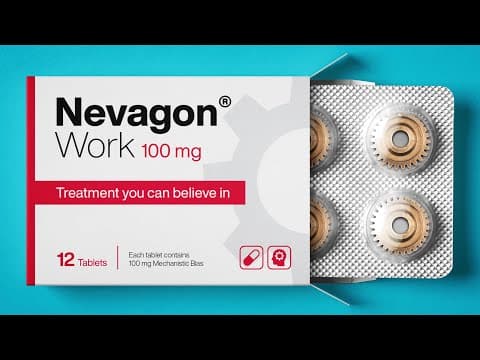
Expectation plays a significant role in the placebo effect. Factors such as medication packaging, branding, and the patient's beliefs about a treatment can influence their response.
-
The placebo effect is commonly seen in medical trials, where a control group receives an inactive substance to determine the effectiveness of the actual treatment.
-
Nocebo, the placebo effect's evil twin, can also occur, where negative expectations, beliefs, or suggestions lead to adverse symptoms or outcomes.
Read in Other Languages (beta)
Share This Summary 📚
Summarize YouTube Videos and Get Video Transcripts with 1-Click
Try YouTube Summary with ChatGPT & Claude or YouTube Transcript Generator
Explore More Summaries from Medlife Crisis 📚

Summarize YouTube Videos and Get Video Transcripts with 1-Click
Try YouTube Summary with ChatGPT & Claude or YouTube Transcript Generator