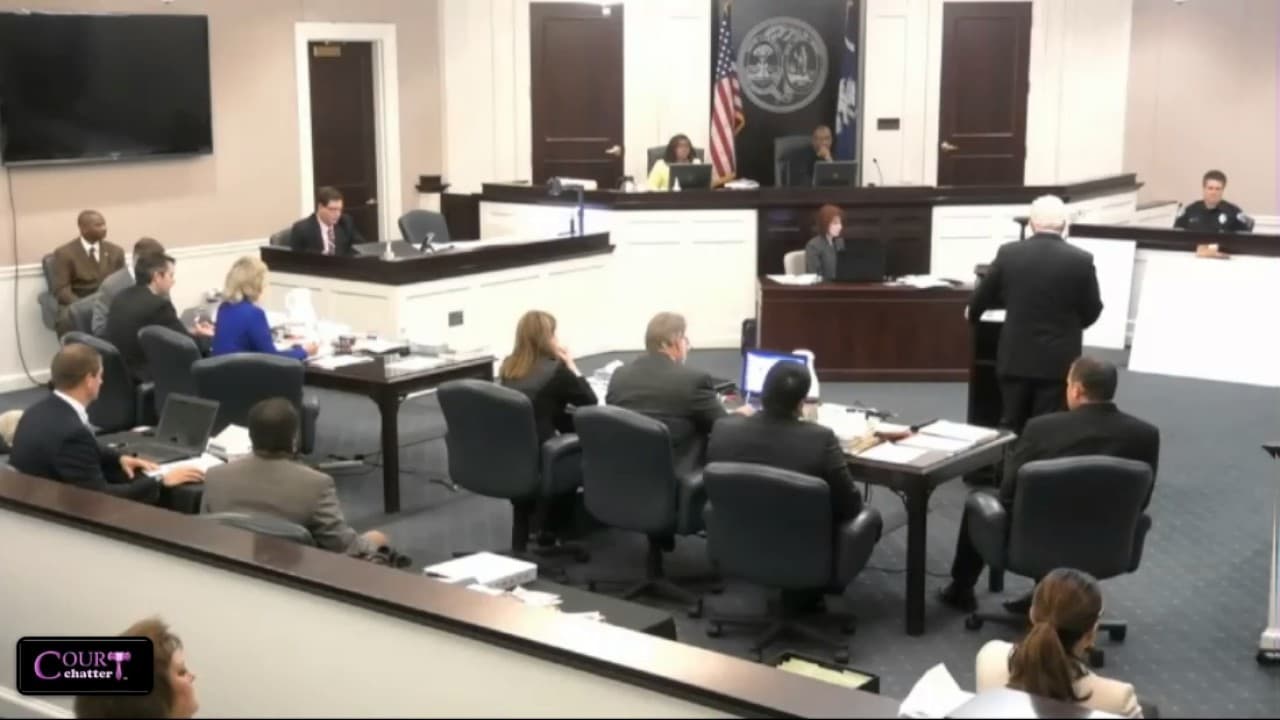
Michael Slager Trial Day 14 Part 3 11/28/16
TL;DR
Police officers undergo active shooter scenarios and stress training to improve decision-making under pressure.
Transcript
I you manager yes sir you're familiar with the criminal justice academy training program yes sir they with various policies yes sir I mean it would have to review some of my same time to get very specific let me show you seven yes there's the early warning system for personnel yes sir in the early warning system right yes sir yes sir this policy ha... Read More
Key Insights
- ☢️ Active shooter training simulates real threats to enhance decision-making under stress.
- ✋ Stress training prepares officers to handle high-pressure situations effectively.
- 😒 Use of force guidelines center on the suspect's ability, opportunity, and jeopardy factors in determining appropriate actions.
- 🙃 Training emphasizes de-escalation tactics and effective communication strategies.
- 👮 Police officers undergo scenario-based exercises to practice swift and lawful responses in critical incidents.
- 👮 Utilizing verbal commands and assessing threats are crucial components of police training.
- 🦻 Stress exposure in training scenarios aids in developing officers' resilience and adaptability.
Install to Summarize YouTube Videos and Get Transcripts
Explore YouTube Video Summarizer or Get YouTube Transcript Extractor
Questions & Answers
Q: How does active shooter training benefit police officers?
Active shooter training immerses officers in realistic scenarios, enhancing their ability to make quick and effective decisions under pressure. It prepares them for high-stress situations and promotes optimal responses to active threats.
Q: What factors influence a police officer's use of force decision?
Police officers consider the suspect's ability, opportunity, and jeopardy in determining the appropriate use of force. Training emphasizes the importance of evaluating these factors to make lawful and effective decisions.
Q: Why is stress training essential for law enforcement officers?
Stress training exposes officers to high-pressure situations, simulating real-world scenarios to enhance their ability to make sound decisions under stress. It prepares them to effectively respond to threats and maintain control in challenging circumstances.
Q: How does active shooter training vary from routine firearm qualification?
Active shooter training involves dynamic scenarios with simulated threats and stress, whereas firearm qualification focuses on stationary shooting drills. The former prepares officers for rapidly evolving situations, emphasizing judgment and proper responses.
Summary & Key Takeaways
-
Active shooter training involves officers facing realistic scenarios to practice rapid decision-making.
-
Stress training aims to prepare officers for high-pressure situations, enhancing their judgment and response.
-
Use of force guidelines emphasize the ability, opportunity, and jeopardy factors in determining appropriate actions.
Read in Other Languages (beta)
Share This Summary 📚
Summarize YouTube Videos and Get Video Transcripts with 1-Click
Try YouTube Summary with ChatGPT & Claude or YouTube Transcript Generator
Explore More Summaries from Law&Crime Network 📚


Summarize YouTube Videos and Get Video Transcripts with 1-Click
Try YouTube Summary with ChatGPT & Claude or YouTube Transcript Generator