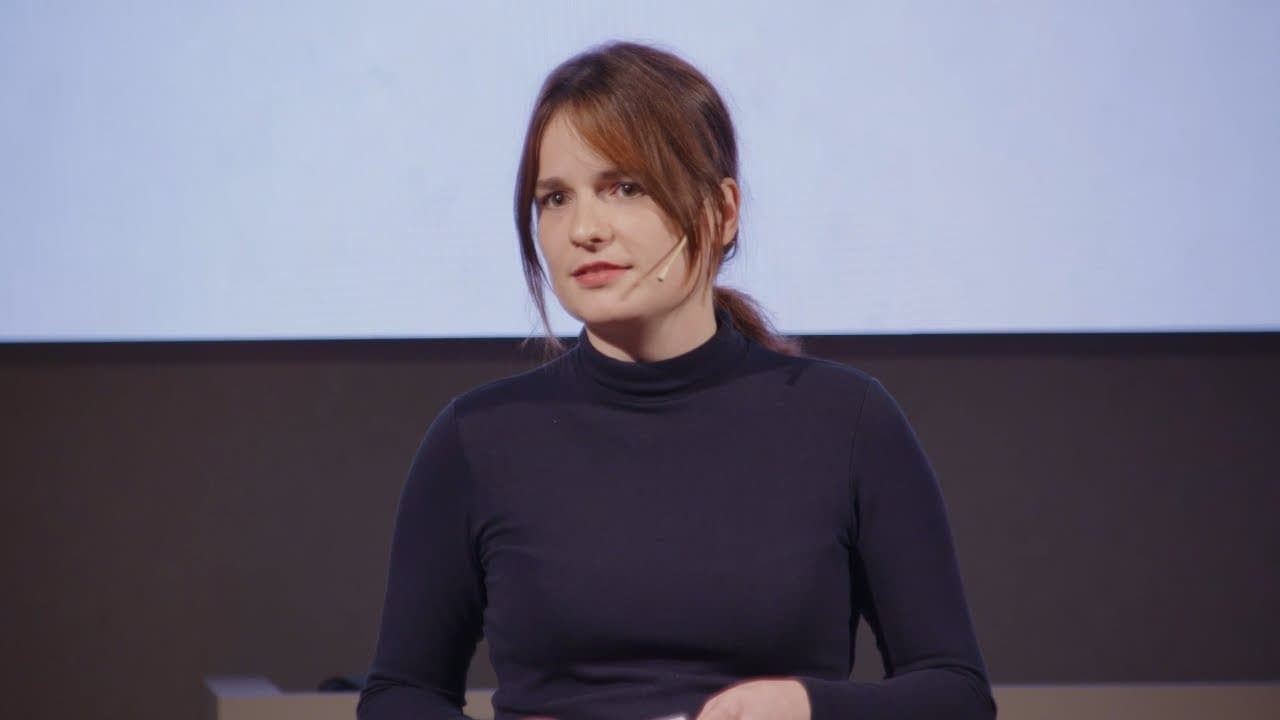
The Choreography of Inclusive Knowledge | Anna Kooi | TEDxWageningenUniversity
TL;DR
Traditional food knowledge is vital; intergenerational transfer is key for future food resilience.
Transcript
last year I was traveling through the north of Colombia we were invited as part of the artist Collective I worked for to host workshops at a conference on tropical biology and to that end we were traveling through the north of Colombia to look for interesting people places and initiatives that were innovating the local food system one night we stay... Read More
Key Insights
- 😋 Traditional food knowledge is at risk of vanishing due to modernization and the aging agricultural population.
- 😋 The importance of preserving intergenerational knowledge transfer for food resilience and sustainability.
- 💦 Kitchen work is likened to a choreographed dance, with precision and teamwork being essential.
- 😋 Body knowledge plays a significant role in food preparation, emphasizing sensory memories and physical gestures.
- 😋 The narrator advocates for the integration of old knowledge with technological innovations for sustainable food systems.
- 💦 Working across diverse fields like farming, kitchens, and artist collectives highlights the interconnectedness of knowledge areas.
- 😋 The narrative underscores the responsibility of individuals to engage with elders and preserve traditional food knowledge in the face of climate change.
Install to Summarize YouTube Videos and Get Transcripts
Explore YouTube Video Summarizer or Get YouTube Transcript Extractor
Questions & Answers
Q: Why was the narrator traveling through Colombia?
The narrator was in Colombia to host workshops at a conference on tropical biology and to explore innovative local food systems.
Q: What did Madrid teach the narrator about cacao cultivation?
Madrid shared his 70 years of experience in growing cacao, revealing 263 secrets of cultivation and emphasizing the importance of proper crop management.
Q: How did the narrator view kitchen work as choreography?
The narrator sees kitchen work as a dance, with synchronized movements crucial for efficiency, drawing parallels with birds flocking together.
Q: Why does the narrator emphasize the body knowledge of food preparation?
The narrator stresses that food knowledge is stored in sensory memories and embodied practices, making traditional recipes hard to convey in words.
Summary & Key Takeaways
-
The narrator recounts a trip to Colombia, meeting an old farmer named Madrid, emphasizing the importance of traditional food cultivation techniques.
-
Kitchen choreography is likened to a dance, highlighting the precision and expertise required in cooking.
-
The narrative delves into the loss of traditional food knowledge and the need to preserve it for future generations.
Read in Other Languages (beta)
Share This Summary 📚
Summarize YouTube Videos and Get Video Transcripts with 1-Click
Try YouTube Summary with ChatGPT & Claude or YouTube Transcript Generator
Explore More Summaries from TEDx Talks 📚
Summarize YouTube Videos and Get Video Transcripts with 1-Click
Try YouTube Summary with ChatGPT & Claude or YouTube Transcript Generator