Why Did Lebanon Lose Over 50% of Its Economy in 2 Years?
TL;DR
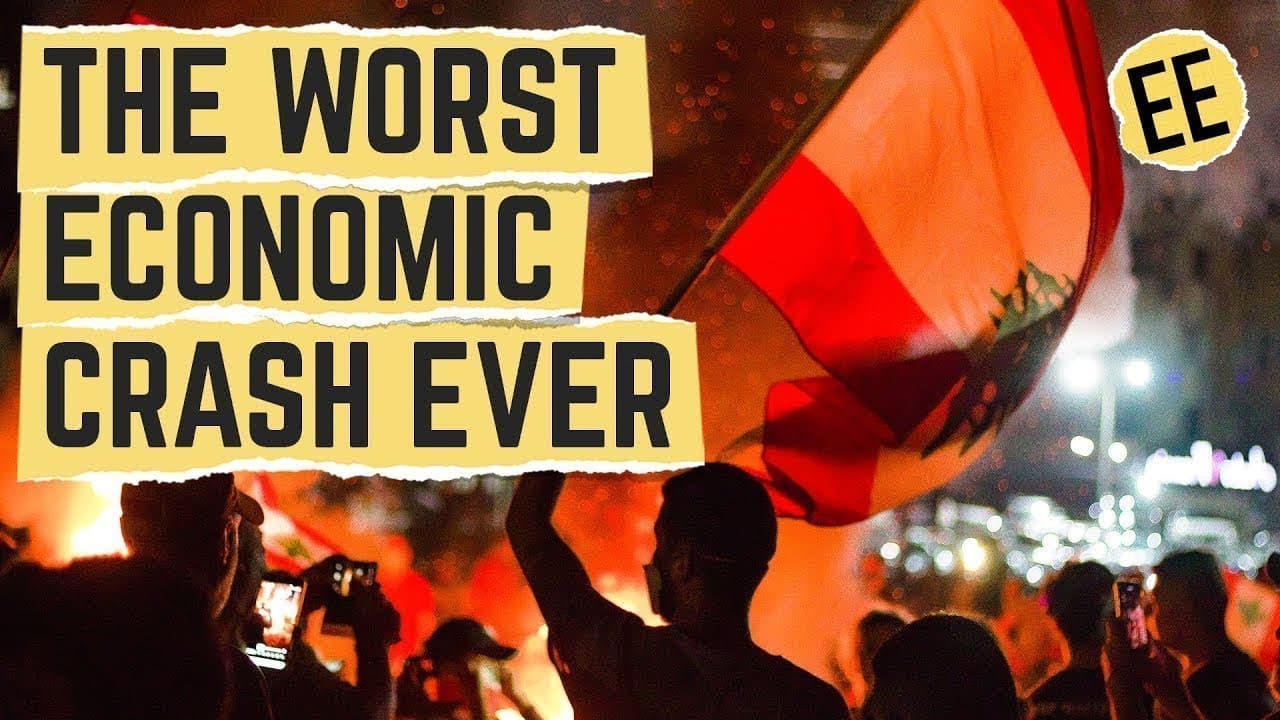
Lebanon's economy contracted by more than 50% from 2019 to 2021 due to a combination of hyperinflation, currency collapse, and mismanagement. Factors such as government corruption, the impact of the Beirut explosion, and the influx of refugees from Syria accelerated the decline, leading to widespread unemployment and chronic food insecurity.
Transcript
This is Lebanon, a small country on the Mediterranean coast home to 5.5 million people, according to the best available data. An exact figure on something as simple as how many people are living in the country is hard to come by, and estimates from different organisations vary by as much as 20%. That is because Lebanon is possibly the most desperat... Read More
Key Insights
- Lebanon's population is difficult to estimate accurately, with variations in figures up to 20% due to economic instability and emigration.
- The country has experienced a severe economic contraction, losing over 50% of its GDP from 2019 to 2021, which is unprecedented.
- A major explosion in Beirut in 2020 exacerbated economic woes, but Lebanon's economy was already in decline before this disaster.
- Lebanon's rapid economic growth after the civil war was fueled by foreign aid, remittances, and a burgeoning banking sector.
- The Lebanese pound was pegged to the US dollar, but the peg collapsed due to liquidity issues, leading to hyperinflation.
- Lebanon's banking system, once considered stable, failed due to fears over US sanctions and a run on banks by account holders.
- Government corruption, rigid social policies, and regional geopolitical tensions contributed to Lebanon's economic downfall.
- The economic crisis has led to widespread unemployment, food insecurity, and a significant emigration of skilled individuals.
Install to Summarize YouTube Videos and Get Transcripts
Explore YouTube Video Summarizer or Get YouTube Transcript Extractor
Questions & Answers
Q: What factors contributed to Lebanon's economic collapse?
Lebanon's economic collapse was driven by a combination of factors, including government mismanagement, corruption, and a reliance on debt to fuel growth. The collapse of the currency peg, banking system failures, and regional geopolitical tensions further exacerbated the situation. The Beirut explosion and COVID-19 pandemic also contributed to the economic downturn.
Q: How did the Beirut explosion impact Lebanon's economy?
The Beirut explosion in 2020 caused significant physical and economic damage, destroying a large part of the capital city. It resulted in $15 billion worth of property damage, exacerbating Lebanon's already dire economic situation. The explosion highlighted the government's incompetence and further eroded public trust, contributing to the economic collapse.
Q: Why did Lebanon's banking system fail?
Lebanon's banking system failed due to a combination of US sanctions, which raised concerns about the viability of the banking industry, and a run on banks by account holders seeking to convert Lebanese pounds to US dollars. The government couldn't honor the fixed exchange rate, leading to the collapse of the currency peg and hyperinflation.
Q: What role did foreign aid and remittances play in Lebanon's economy?
Foreign aid and remittances played a crucial role in Lebanon's post-civil war economic growth. Remittances from Lebanese nationals working abroad provided a significant source of foreign currency, while foreign aid helped rebuild infrastructure and support basic operations. However, reliance on these external sources made the economy vulnerable to external shocks.
Q: How did Lebanon's debt-to-GDP ratio affect its economy?
Lebanon's debt-to-GDP ratio was one of the highest in the world, reaching 183% by the mid-2000s. While high debt levels can indicate investor confidence in future growth, they also made Lebanon vulnerable to economic shocks. The inability to manage this debt burden contributed to the country's economic collapse when external challenges arose.
Q: What impact did the Syrian refugee crisis have on Lebanon?
The Syrian refugee crisis significantly impacted Lebanon, with over 1.5 million refugees entering the country within a year. This sudden population increase strained Lebanon's resources and infrastructure, exacerbating existing economic challenges. The crisis also heightened geopolitical tensions and contributed to the country's economic instability.
Q: How did US sanctions contribute to Lebanon's economic crisis?
US sanctions targeted certain organizations in Lebanon, raising fears about the stability of the banking sector. These fears led to a run on banks and a loss of confidence in the Lebanese pound, which broke its peg to the US dollar. The resulting liquidity crisis and hyperinflation further deepened the economic collapse.
Q: What are the implications of Lebanon's crisis for other developing nations?
Lebanon's crisis highlights the risks of over-reliance on debt and external sources for economic growth. Other developing nations can learn from Lebanon's experience by prioritizing economic diversification, strengthening governance, and building resilience to external shocks. The crisis also underscores the importance of addressing corruption and geopolitical tensions to ensure sustainable development.
Summary & Key Takeaways
-
Lebanon has experienced a catastrophic economic collapse, losing over 50% of its GDP in just two years. The country, once seen as a beacon of growth in the region, now faces hyperinflation, a worthless currency, and chronic food insecurity. The situation has been exacerbated by the Beirut explosion and ongoing regional tensions.
-
The Lebanese economy, which had been growing rapidly post-civil war, was heavily reliant on foreign aid, remittances, and a strong banking sector. However, the collapse of the currency peg and banking system, along with government mismanagement, led to a rapid economic decline, making Lebanon a failed state.
-
The crisis has caused a massive emigration of Lebanon's population, with many seeking better opportunities abroad. This population decline further strains the economy, as skilled individuals and capital leave the country, making recovery efforts even more challenging for the remaining population.
Read in Other Languages (beta)
Share This Summary 📚
Summarize YouTube Videos and Get Video Transcripts with 1-Click
Try YouTube Summary with ChatGPT & Claude or YouTube Transcript Generator
Explore More Summaries from Economics Explained 📚




Summarize YouTube Videos and Get Video Transcripts with 1-Click
Try YouTube Summary with ChatGPT & Claude or YouTube Transcript Generator