How I Expanded my Comfort Zone Using Science (& you can too!) || summer of self ep 1
TL;DR
The content explores personal growth through overcoming fears and expanding comfort zones.
Transcript
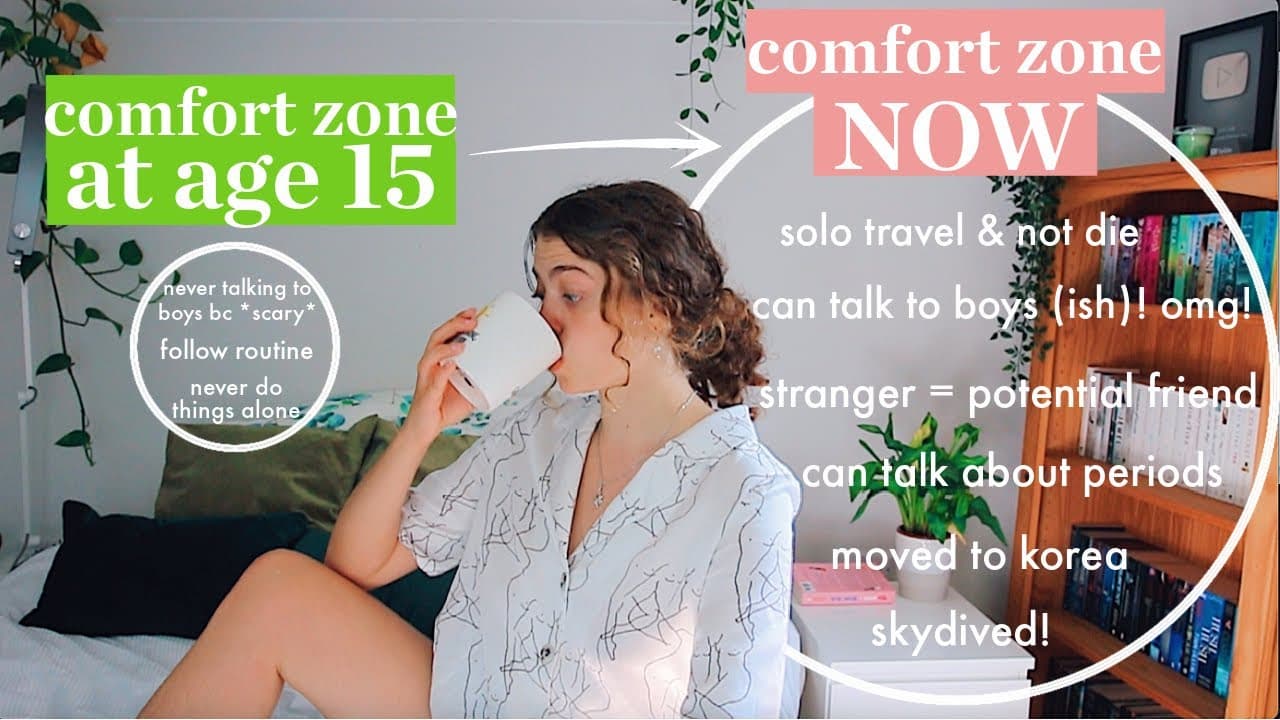
at the age of 12 i refused to talk to strangers at the age of 13 i would physically shake when i had to speak in front of the class at the age of 14 when i went to all girls school i literally could not look a boy in the eyes at the age of 16 i was too scared to take the train alone at the age of 17 i'd still never had a love life and that scared m... Read More
Key Insights
- 🔒 Comfort zones provide a sense of security, but can hinder personal growth if not challenged.
- 🥺 Gradual exposure to uncomfortable situations leads to increased confidence and skill acquisition over time.
- 😨 Public speaking, social engagement, and independence are common areas where individuals can face their fears incrementally.
- 🎚️ Psychological principles indicate that a moderate level of anxiety may enhance performance, promoting growth.
- 🧑⚕️ Reflecting on experiences and balancing challenges with comfort is crucial for mental health.
- 🤳 The act of self-love and focusing on personal growth is often misunderstood but is vital for self-improvement.
- 👶 Cultural exposure and trying new things can help expand one’s horizon beyond familiar routines.
Install to Summarize YouTube Videos and Get Transcripts
Explore YouTube Video Summarizer or Get YouTube Transcript Extractor
Questions & Answers
Q: What inspired the speaker to focus on expanding their comfort zone?
The speaker was motivated by personal experiences of fear and anxiety throughout their teenage years. They recognized the need to confront these fears in order to grow and embrace new opportunities in life. This journey became about stepping into their power and realizing the importance of self-love to foster personal growth.
Q: How does the concept of comfort zones relate to psychological studies?
Comfort zones are described in psychology as familiar behaviors and habits that minimize stress and create security. The speaker references the Yerkes-Dodson law, which indicates that optimal performance is achieved not in total comfort but at an optimal level of anxiety. This balance is crucial for comprehension and growth, prompting individuals to challenge their routines.
Q: Can you provide an example of how the speaker tackled their fear of public speaking?
The speaker overcame their fear of public speaking by gradually exposing themselves to speaking situations, starting with small roles in a drama club and signing up for school assemblies. They faced their anxiety directly by practicing in front of audiences, allowing them to build confidence and progressively adjust to their comfort levels.
Q: What steps did the speaker take to improve social interactions with boys?
The speaker highlighted their experiences in an all-girls school and their initial discomfort around boys. To improve these interactions, they actively sought opportunities to meet boys by volunteering at a local charity and stables, allowing them to gradually build social skills and reduce their fear through exposure.
Q: Why is it important to balance challenging oneself with returning to comfort zones?
Balancing challenge and comfort is vital to avoid burnout and maintain mental well-being. The speaker emphasizes that while it's beneficial to push oneself to grow, returning to familiar comfort zones allows for reflection and processing of experiences, which is essential for sustained personal growth.
Q: What current challenge is the speaker facing to expand their comfort zone?
The speaker is currently focusing on improving their driving skills, despite having a fear of it. They embarked on a goal to drive more frequently, bringing along family members to provide support. This approach is meant to boost their confidence in navigating roads and parking, enhancing their comfort in this area.
Q: How can viewers apply the concepts discussed in the video to their own lives?
Viewers can apply these concepts by identifying their own fears, considering small, manageable steps to confront them, and using journaling prompts introduced in the series to reflect on their feelings. This self-reflective practice can guide them towards gradually expanding their comfort zones.
Q: What are some suggested activities for widening one's comfort zone related to culture?
The speaker suggests trying new foods, learning about different cultures, and practicing socializing in varied environments. Small initiatives such as taking language classes, exploring local cultures, or engaging with diverse social groups can facilitate gradual comfort zone expansion while fostering an appreciation for cultural differences.
Summary & Key Takeaways
-
The speaker shares their journey of overcoming various fears from childhood, emphasizing how gradually facing discomfort led to personal growth and newfound independence.
-
They explain the concept of comfort zones, supported by psychological principles, highlighting the balance between comfort and optimal anxiety necessary for self-improvement.
-
The content includes actionable steps for viewers to expand their comfort zones, suggesting gradual challenges in areas like public speaking, social interaction, and experiencing new cultures.
Read in Other Languages (beta)
Share This Summary 📚
Summarize YouTube Videos and Get Video Transcripts with 1-Click
Try YouTube Summary with ChatGPT & Claude or YouTube Transcript Generator
Explore More Summaries from UnJaded Jade 📚





Summarize YouTube Videos and Get Video Transcripts with 1-Click
Try YouTube Summary with ChatGPT & Claude or YouTube Transcript Generator