What Is the Edge of Our Observable Universe?
TL;DR
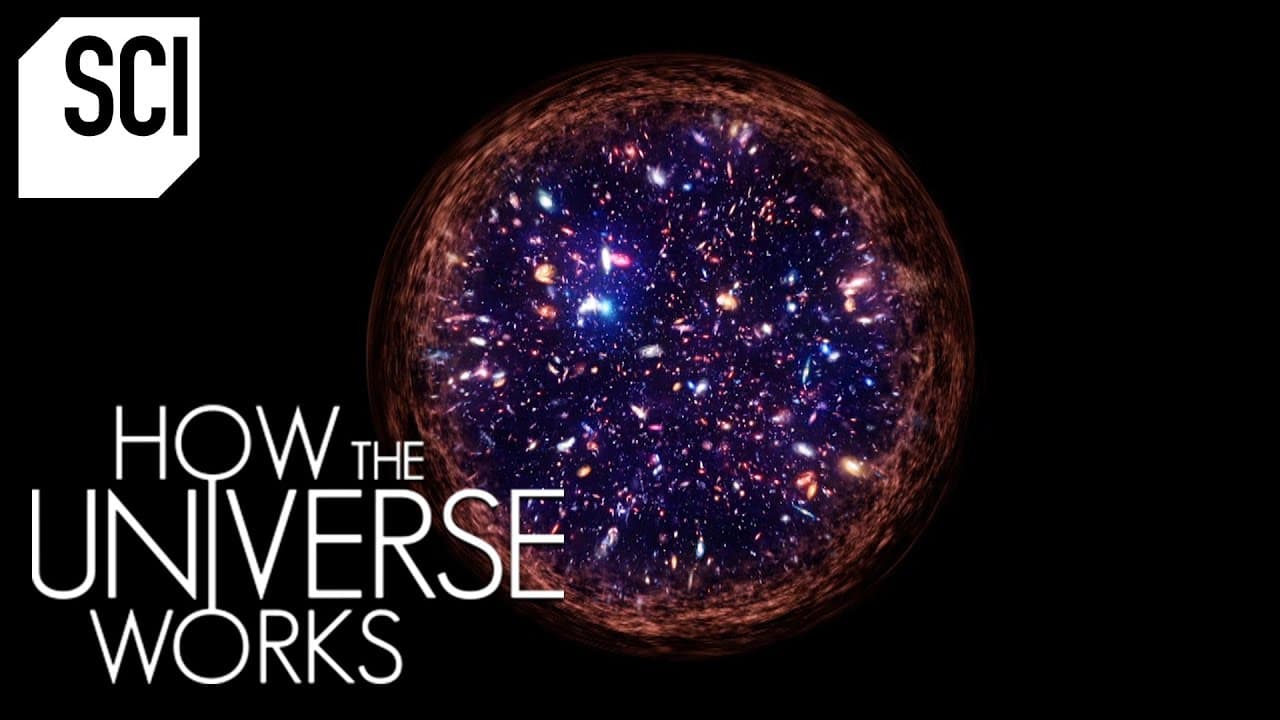
The observable universe has an edge defined by the cosmic microwave background, the furthest we can see due to the finite speed of light and the universe's age of about 13.8 billion years. The most distant galaxy observed, GN Z11, is 32 billion light years away; its distance indicates that the universe is expanding, presenting complexities in understanding its true extent.
Transcript
2016 the hubble space telescope turned toward a dark patch of sky in the constellation ursa major [Applause] it captured an image of an indistinct blob of light the glow is from a distant galaxy called gn z11 the most distant galaxy we've ever observed but is this the edge of the universe the universe all around us is filled with galaxies so it's k... Read More
Key Insights
- 🦔 GN Z11 is the most distant galaxy observed, located at the edge of our observable universe.
- ⚡ The age of the universe and the finite speed of light determine the limitations of observation.
- 🫥 The cosmic microwave background is the furthest visible point in our universe, representing the earliest relics of the universe's formation.
Install to Summarize YouTube Videos and Get Transcripts
Explore YouTube Video Summarizer or Get YouTube Transcript Extractor
Questions & Answers
Q: Is there a final galaxy at the edge of the universe?
It is challenging to determine if there is a final galaxy as the concept of "edge" depends on the limitations of observation. However, the age of the universe sets a limit on the furthest observable point.
Q: How far does light travel in the universe?
Light travels at a very fast speed, but not infinitely fast. It takes time for light to reach from one point to another. Distances are measured in light years, considering the time it takes for light to travel within that period.
Q: What is the cosmic microwave background?
The cosmic microwave background is the oldest light in the universe, serving as an echo of the Big Bang. It represents the outer shell, or edge, of our observable universe.
Q: Can other galaxies have their own observable universes?
Yes, different galaxies have their own observable universes. Each galaxy has its own "spotlight" of observation centered around it, and beyond that, there may be regions that are not observable to us.
Summary & Key Takeaways
-
The Hubble Space Telescope captured an image of galaxy GN Z11, which is the most distant galaxy observed thus far.
-
Light takes time to travel, and even the light from the sun takes eight minutes to reach us. When observing galaxies, we consider distances in terms of light years.
-
The age of the universe sets a limit on the edge of the observable universe, and the furthest visible point is the cosmic microwave background.
Read in Other Languages (beta)
Share This Summary 📚
Summarize YouTube Videos and Get Video Transcripts with 1-Click
Try YouTube Summary with ChatGPT & Claude or YouTube Transcript Generator
Explore More Summaries from Science Channel 📚



Summarize YouTube Videos and Get Video Transcripts with 1-Click
Try YouTube Summary with ChatGPT & Claude or YouTube Transcript Generator