Is America as divided now as it was under Lincoln? (w/ Steve Inskeep) | The Bulwark Podcast
TL;DR
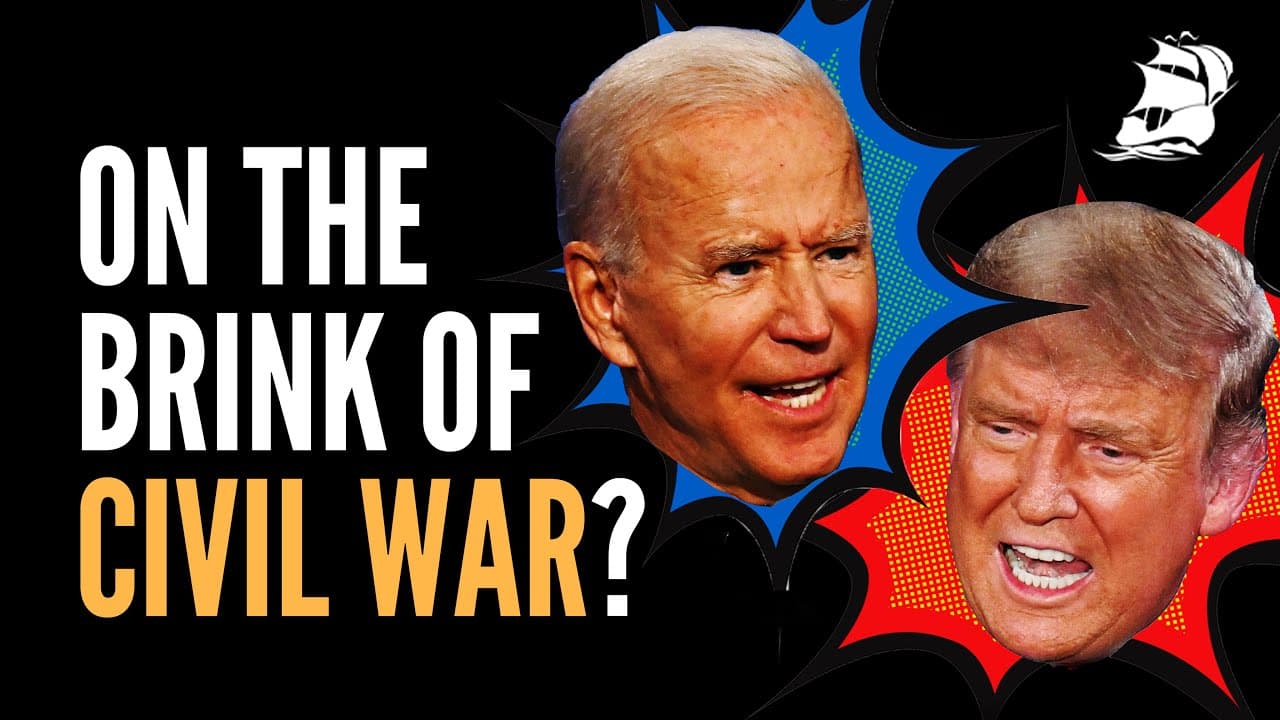
Amidst divisive times, understanding Abraham Lincoln's political skills and ability to bridge divides offers valuable insights for national unity.
Transcript
let's talk about uh Lincoln because what I find fascinating about this is of course we feel that we live in these incredibly divisive dangerous times which I think is true I I do think that there's a challenge to National Unity that is as great as anything we've seen in in decades and so there are moments so I I think it's very valuable to look bac... Read More
Key Insights
- ➗ Historical moments of crisis and division can provide valuable lessons for navigating current political challenges.
- 🫱 Political violence has been a recurring pattern in American history, and it is not impossible in the present, though a new civil war is unlikely.
- 🤳 Lincoln's political skills included avoiding virtue signaling, empathizing with others' self-interest, and focusing on systemic change rather than demonizing individuals.
- 🏛️ Building majorities and coalitions through compromise is crucial for effective governance in a democracy.
- 👮 The rule of law and constitutional institutions depend on people's support and understanding of their importance.
Install to Summarize YouTube Videos and Get Transcripts
Explore YouTube Video Summarizer or Get YouTube Transcript Extractor
Questions & Answers
Q: Did Lincoln believe that the country was heading towards a new civil war?
While Lincoln acknowledged the potential for political violence, he did not believe it would escalate into a full-scale civil war. However, he recognized the divisions within the country and the possibility of conflicts between red and blue states.
Q: How did Lincoln navigate his political differences with those who disagreed with him?
Lincoln didn't demonize his opponents and avoided a puritanical approach to politics. He recognized the influence of circumstances and self-interest in shaping individuals' beliefs. By focusing on systemic change rather than individuals, he aimed to address the issue of slavery.
Q: Can we trust the historical accounts of Lincoln's encounters with various individuals?
While some accounts may differ due to the lack of Lincoln's own memoir, these encounters are supported by multiple documents and testimonies. The author aimed to choose well-documented meetings to provide a fact-based discussion rather than speculation.
Q: What if Lincoln had survived and led the Reconstruction era?
While it is impossible to know for certain, it is likely that Lincoln would have approached Reconstruction differently. With his commitment to equality and constitutional principles, he would have played a more supportive role in advancing racial equality during that challenging period.
Summary & Key Takeaways
-
The parallels between the divisive era of the 1850s and the present highlight the importance of studying historical moments of crisis and division.
-
Political violence is a recurring theme in American history, and while a new civil war may not be imminent, internal conflicts are possible.
-
Lincoln's political skills included avoiding virtue signaling, empathizing with others, and appealing to self-interest, while still championing equality.
Read in Other Languages (beta)
Share This Summary 📚
Summarize YouTube Videos and Get Video Transcripts with 1-Click
Try YouTube Summary with ChatGPT & Claude or YouTube Transcript Generator
Explore More Summaries from The Bulwark 📚
Summarize YouTube Videos and Get Video Transcripts with 1-Click
Try YouTube Summary with ChatGPT & Claude or YouTube Transcript Generator