5 Reasons Why YOU Grieve, Mourn: Varieties of Grief and Mourning
TL;DR
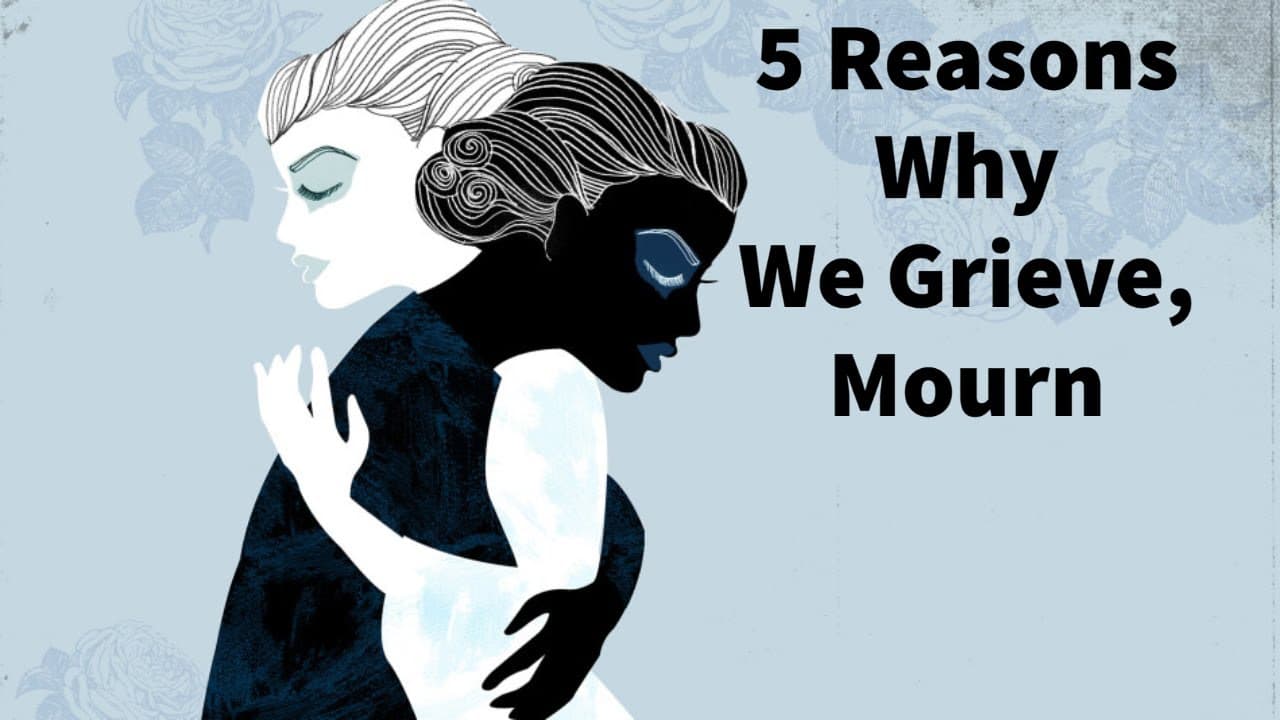
There are five types of grief, each with its own cause and response, ranging from unrealized potential to irretrievable loss.
Transcript
foreign by now those of you who have watched my videos know the difference between healthy grief healthy morning which lasts about one year and prolonged grief disorder the new diagnosis in the latest edition of the Diagnostic in the next edition of the diagnostic and statistical manner so prolonged grief disorder lasts longer than one year is intr... Read More
Key Insights
- 🌸 Grief can be a response to unrealized potential, the discrepancy between fantasy and reality, catastrophizing a perception of threat, irretrievable loss, and loss of identity.
- 🌗 Prolonged grief disorder is characterized by entrenched grief that lasts longer than one year and involves obsessive-compulsive features.
- 🥺 Early childhood abuse can lead to lifelong prolonged grief disorder, as it creates a loss of identity and boundaries.
- 🌸 Animals also experience grief but grieve over actual losses, while humans can grieve over imagination itself.
- ❓ Grief involves a sense of helplessness and mourning our limitations and what we could have become.
- 🥺 Giving up on idealized fantasies can be heartbreaking and lead to self-recrimination.
- 🌸 Catastrophizing helps us prepare for potential losses but also triggers grief.
Install to Summarize YouTube Videos and Get Transcripts
Explore YouTube Video Summarizer or Get YouTube Transcript Extractor
Questions & Answers
Q: What is the difference between healthy grief and prolonged grief disorder?
Healthy grief is a natural process that lasts about one year and involves integrating the feelings of grief and mourning. Prolonged grief disorder, on the other hand, lasts longer than one year and is intractable, involving obsessive-compulsive features and causing significant distress for the individual and their loved ones.
Q: How does the discrepancy between fantasy and reality contribute to grief?
When our perception of reality contradicts our idealized fantasies, such as idealizing a person or situation, it can create a sense of loss and mourning. Giving up on the idealized fantasy can be heartbreaking and may result in self-recrimination and inner criticism.
Q: How does catastrophizing a perception of threat lead to grief?
Catastrophizing is a defense mechanism in which we exaggerate the perceived threat. This can be useful for survival, but it also triggers a sense of loss and mourning as we anticipate the potential loss associated with the threat.
Q: What is the role of early childhood abuse in prolonged grief disorder?
Early childhood abuse can result in a loss of identity, boundaries, and goals. Children who experience such abuse may grow up to develop personality disorders such as narcissism or borderline personality disorder, which are characterized by prolonged grief disorder. They mourn their inability to become their true selves and grieve the mistreatment they experienced.
Summary & Key Takeaways
-
There are five reasons why individuals grieve: unrealized potential, the discrepancy between fantasy and reality, catastrophizing a perception of threat, irretrievable loss, and loss of identity.
-
Grief can be a healthy and necessary response when it allows for processing and integration. However, prolonged grief disorder can occur when the grief becomes entrenched and intractable.
-
Early childhood abuse can lead to a prolonged grief disorder, as it fosters a loss of identity and boundaries, resulting in a lifelong process of mourning and grief.
Read in Other Languages (beta)
Share This Summary 📚
Summarize YouTube Videos and Get Video Transcripts with 1-Click
Try YouTube Summary with ChatGPT & Claude or YouTube Transcript Generator
Explore More Summaries from Prof. Sam Vaknin 📚


Summarize YouTube Videos and Get Video Transcripts with 1-Click
Try YouTube Summary with ChatGPT & Claude or YouTube Transcript Generator