How Do Tall Buildings Manage Wind Forces?
TL;DR
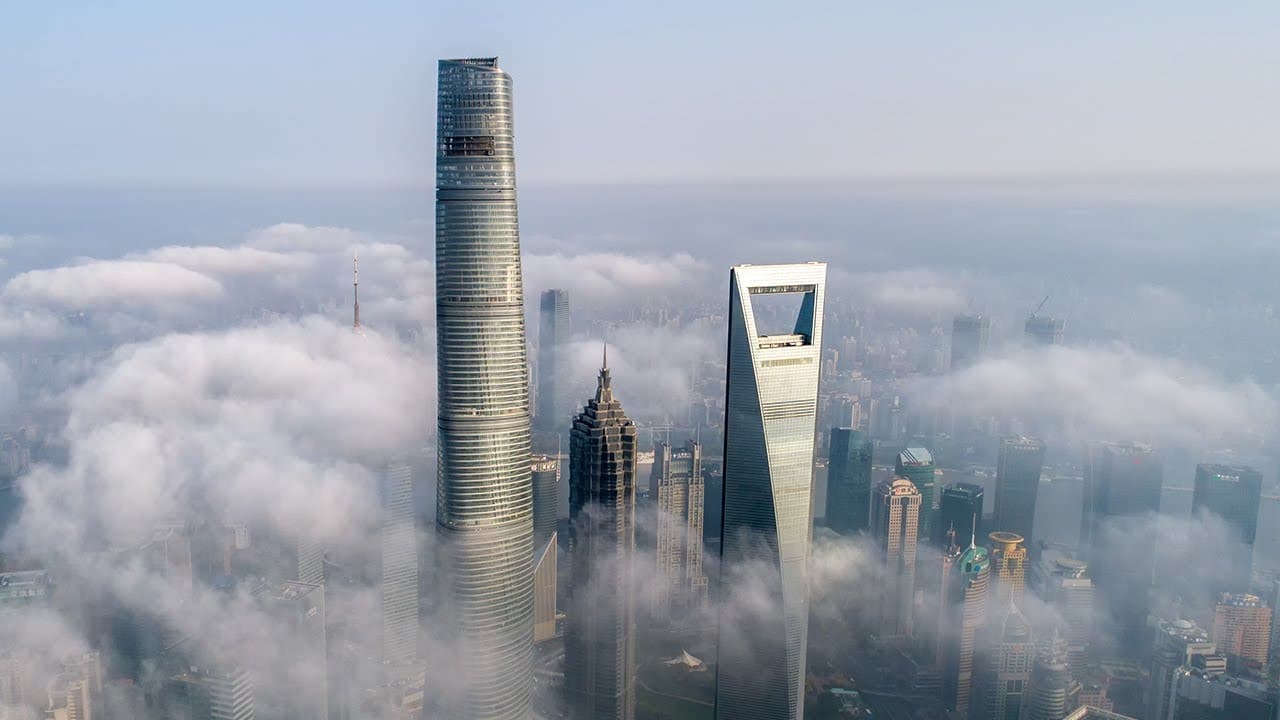
Tall buildings are designed with flexibility to counteract wind forces, known as wind loads, which can cause swaying and discomfort. Techniques like corner softening, tapering, and building setbacks are employed to minimise these effects, ensuring stability and comfort for occupants.
Transcript
wind is one of the most important factors that architects and engineers must consider when designing tall buildings while skyscrapers might appear to be highly strengthened immovable structures all tall buildings are in fact designed with a degree of flexibility in mind this is principally due to the impact that wind forces known as wind loads have... Read More
Key Insights
- 🤯 Tall buildings are designed with flexibility in mind to absorb the impact of wind loads.
- 💨 Wind velocity at street level is increased by the street canyon effect, creating higher wind pressures on tall buildings.
- 💨 Vortex shedding, caused by the flow of wind around tall structures, creates areas of low pressure that can cause swaying and shaking.
- 💨 Techniques such as corner softening, tapering, setbacks, and twisting are used to reduce the effects of high winds on tall buildings.
- 👻 Porosity in building design, allowing air to flow through and around the structure, can also reduce wind impacts.
- 💨 Wind turbines on skyscrapers have not become popular due to various limitations.
- 🏛️ Dampers are used in some tall buildings to counteract motion and create a more stable environment.
Install to Summarize YouTube Videos and Get Transcripts
Explore YouTube Video Summarizer or Get YouTube Transcript Extractor
Questions & Answers
Q: Why do architects and engineers need to consider wind when designing tall buildings?
Wind loads have a significant impact on tall buildings, causing them to sway and shake. Designers need to ensure the comfort and safety of occupants inside the building.
Q: What is the street canyon effect?
The street canyon effect is when large buildings redirect wind down their facades, creating higher wind velocities along the streets. This phenomenon is particularly notable in Manhattan due to its grid structure.
Q: How do designers reduce the impact of high winds on tall buildings?
Designers use techniques such as corner softening, tapering, setbacks, and twisting to reduce the effects of high winds. These techniques make buildings more aerodynamic and minimize the formation of vortices.
Q: What are dampers, and why are they used in tall buildings?
Dampers are heavy instruments suspended on the upper levels of skyscrapers that counteract building movement and create a more stable environment. They are used to counteract the effects of wind-induced swaying and shaking.
Summary & Key Takeaways
-
Wind forces, known as wind loads, have a significant impact on tall buildings, requiring architects and engineers to design structures with flexibility in mind.
-
Factors such as increased wind velocity at street level, vortex shedding, and street canyon effects create challenges for building designers.
-
Innovative approaches such as corner softening, tapering, setbacks, and twisting are used to reduce the effects of high winds on tall buildings.
Read in Other Languages (beta)
Share This Summary 📚
Summarize YouTube Videos and Get Video Transcripts with 1-Click
Try YouTube Summary with ChatGPT & Claude or YouTube Transcript Generator
Explore More Summaries from The B1M 📚


Summarize YouTube Videos and Get Video Transcripts with 1-Click
Try YouTube Summary with ChatGPT & Claude or YouTube Transcript Generator