How to Map Effective Customer Journeys
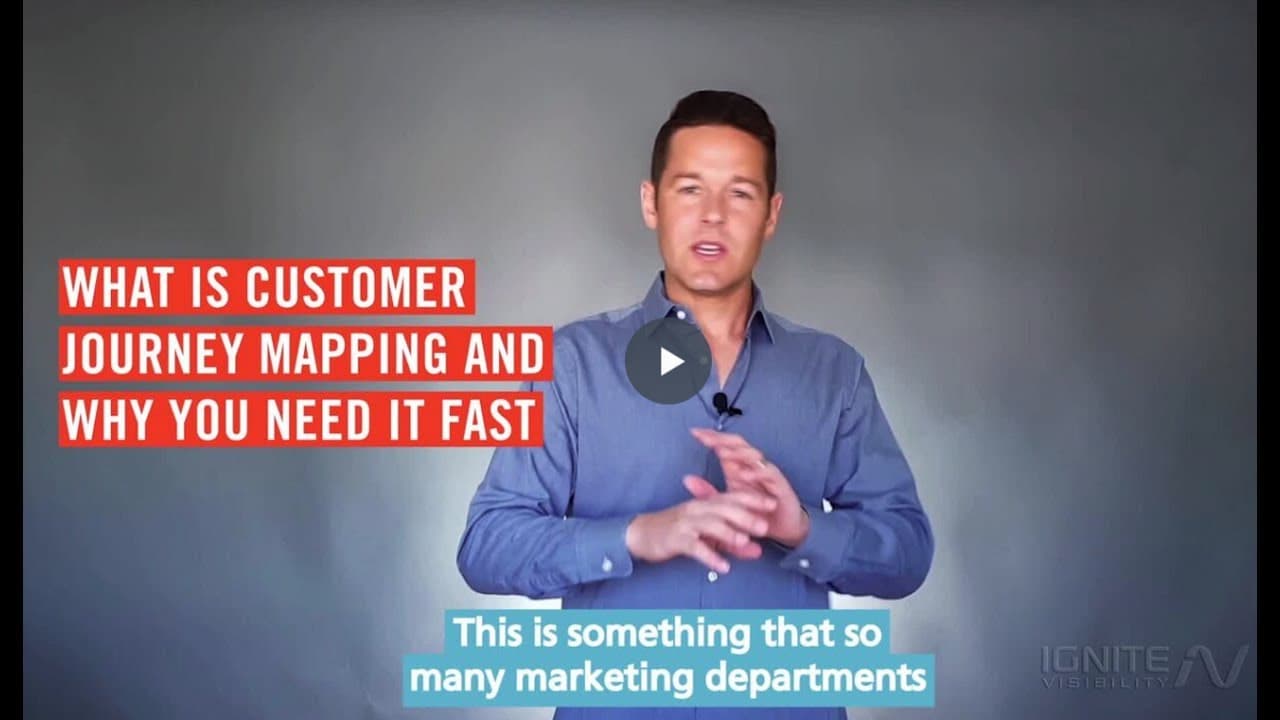
TL;DR
Customer journey mapping involves defining goals, identifying target personas, and recognizing triggers that lead customers to specific traffic channels. By understanding these elements, businesses can tailor their marketing strategies to enhance customer experiences and conversions. This approach allows for precise targeting and efficient allocation of marketing resources.
Transcript
Hi there, I'm John Lincoln with Ignite Visibility and today I'm talking about customer journey mapping for your website. This is something that so many marketing departments don't do or they don't do effectively. They don't know the exact goals, personas, triggers, traffic channels, and then how those traffic channels specifically relate to their w... Read More
Key Insights
- Customer journey mapping starts with defining clear business goals and projections.
- Identifying target personas is crucial for effective customer journey mapping.
- Triggers are specific events or needs that initiate a customer's journey.
- Understanding top triggers helps tailor website messaging and marketing strategies.
- Traffic channels vary and include search engines, social media, and direct traffic.
- Different traffic channels may require tailored landing pages for effective conversion.
- Mapping traffic channels to conversion points enhances the customer journey.
- Analyzing traffic channels helps allocate marketing resources efficiently.
Install to Summarize YouTube Videos and Get Transcripts
Explore YouTube Video Summarizer or Get YouTube Transcript Extractor
Questions & Answers
Q: How to start customer journey mapping?
Begin by defining your overall business goals and projections. Understand what you aim to achieve, such as revenue targets or lead generation goals. Once goals are set, identify the target personas to focus your marketing efforts on the right audience. This foundational step is crucial for effective customer journey mapping.
Q: What are customer journey triggers?
Triggers are specific events or needs that set customers on their journey towards making a purchase. These can include problems like a broken product, a need for an upgrade, or discovering a new trend. Identifying these triggers allows businesses to tailor their marketing and messaging to effectively engage potential customers.
Q: Why is understanding traffic channels important?
Understanding traffic channels is vital because it helps businesses determine where customers begin their journey. Different channels, such as search engines, social media, or direct traffic, require tailored strategies to guide customers towards conversion. By mapping these channels, businesses can enhance customer experiences and improve conversion rates.
Q: How to optimize landing pages for different traffic channels?
To optimize landing pages, analyze the traffic source and customize the landing page to match the audience's expectations and needs. For instance, a visitor from Facebook might respond better to a page with social proof, while a Google ad visitor might prefer detailed product information. Tailoring pages enhances the likelihood of conversion.
Q: What tools aid in customer journey mapping?
Tools like Google Analytics offer insights into multi-channel funnels, helping businesses track customer interactions across different touchpoints. Third-party tools can also map traffic channels to specific landing pages, ensuring a seamless customer journey. These tools provide valuable data to refine and optimize marketing strategies.
Q: How to allocate marketing resources effectively?
Allocate resources by analyzing the effectiveness of each traffic channel based on conversion potential. Grade channels on a scale, such as Google Ads scoring higher than YouTube, and distribute your budget accordingly. This strategic allocation ensures marketing efforts are focused on the most promising channels for conversions.
Q: What role do personas play in customer journey mapping?
Personas are crucial as they represent the ideal customers businesses aim to target. By defining personas, businesses can tailor their marketing strategies to meet the specific needs and preferences of these groups. This targeted approach increases the likelihood of engaging and converting potential customers effectively.
Q: How does customer journey mapping impact business goals?
Customer journey mapping aligns marketing strategies with business goals by providing a clear understanding of the customer path from interest to conversion. It enables businesses to identify key touchpoints, optimize marketing efforts, and allocate resources efficiently, ultimately enhancing the achievement of business objectives.
Summary & Key Takeaways
-
Customer journey mapping begins with defining clear goals and projections. Identifying target personas helps focus marketing efforts on the right audience. Understanding triggers that initiate customer journeys allows businesses to tailor their messaging and strategies effectively.
-
Traffic channels play a crucial role in customer journeys, with different channels requiring specific strategies for conversion. Businesses can enhance customer experiences by mapping these channels to tailored landing pages, ensuring seamless transitions from interest to conversion.
-
Analyzing the effectiveness of each traffic channel allows businesses to allocate marketing resources efficiently. By grading channels based on conversion potential, businesses can focus on the most promising avenues, optimizing their marketing strategies and achieving their goals more effectively.
Read in Other Languages (beta)
Share This Summary 📚
Summarize YouTube Videos and Get Video Transcripts with 1-Click
Try YouTube Summary with ChatGPT & Claude or YouTube Transcript Generator
Explore More Summaries from IgniteVisibility 📚



Summarize YouTube Videos and Get Video Transcripts with 1-Click
Try YouTube Summary with ChatGPT & Claude or YouTube Transcript Generator