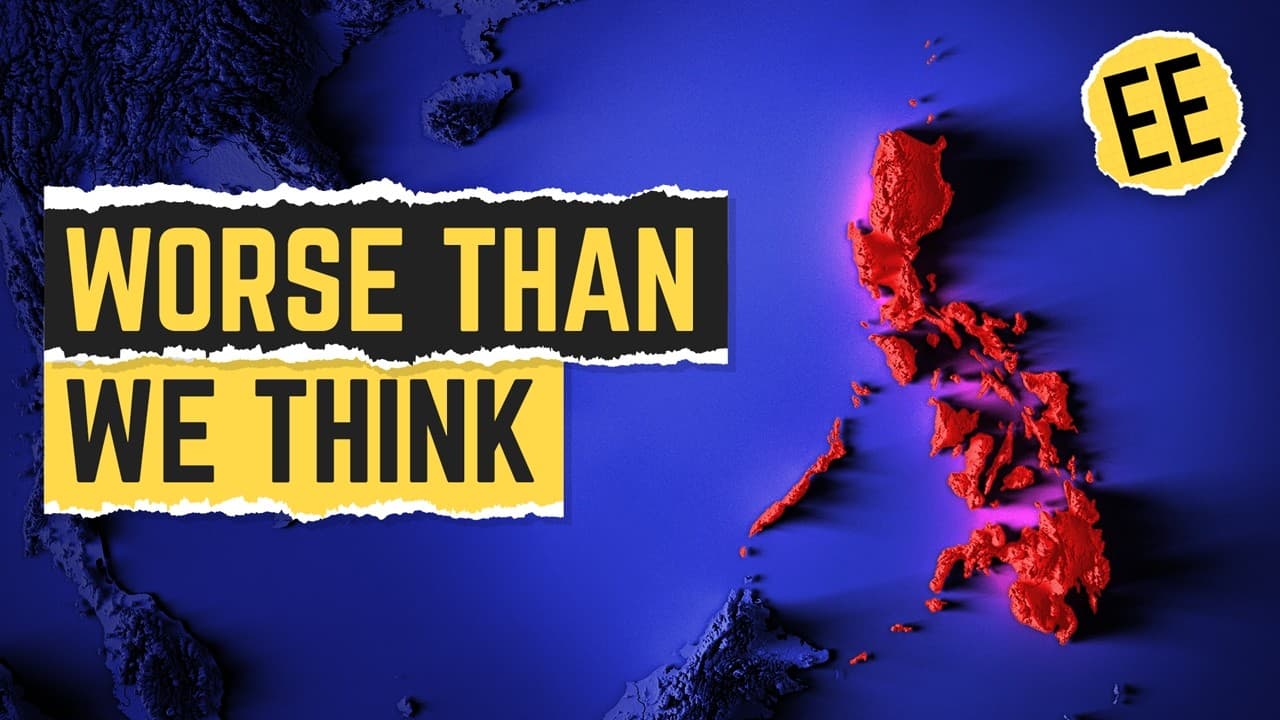
Could The Philippines Predict Our Next Decade?
TL;DR
The Philippines is rapidly growing with unique strategies and challenges.
Transcript
The Philippines is one of the most interesting and overlooked countries in the world. It's currently home to one of the fastest growing economies in history and it's achieving this very differently from other major plays in the region like Thailand, Vietnam and of course China. This collection of islands is home to 115 million people which currentl... Read More
Key Insights
- The Philippines is experiencing rapid economic growth by leveraging its workforce and resources, unlike other Asian countries.
- The country's unique history and relationship with the USA significantly influence its economic and political landscape.
- Despite its growth, the Philippines faces challenges like corruption, inequality, and reliance on foreign aid.
- The outsourcing industry is a major economic driver, benefiting from the country's cultural and linguistic alignment with the West.
- Geography limits industrial growth, pushing the Philippines to focus on white-collar services and small-scale industries.
- Corruption and political instability hinder economic growth and deter foreign and local investments.
- The Philippines' middle-of-the-road strategy in industries provides stability but limits potential for high economic advancement.
- Technological advancements, particularly AI, pose a threat to the country's outsourcing niche, necessitating economic diversification.
Install to Summarize YouTube Videos and Get Transcripts
Explore YouTube Video Summarizer or Get YouTube Transcript Extractor
Questions & Answers
Q: What factors contribute to the Philippines' rapid economic growth?
The Philippines' rapid economic growth is primarily driven by its vibrant workforce and strategic leveraging of its unique geographical and cultural advantages. The country's alignment with Western cultural and linguistic norms makes it an attractive outsourcing hub. Additionally, its middle-of-the-road strategy in various industries provides stability, although it limits high economic advancement potential.
Q: How does the Philippines' relationship with the USA affect its economy?
The Philippines' relationship with the USA has a significant impact on its economy. Historically, the USA has influenced the country's political and economic landscape, providing infrastructure and economic support. This dependency opens the Philippines to complications but also offers national security and economic benefits. However, it also creates a precarious balance, as the country must navigate its sovereignty while maintaining beneficial ties with the USA.
Q: What challenges does the Philippines face in sustaining its economic growth?
The Philippines faces several challenges in sustaining its economic growth, including corruption, political instability, and inequality. Corruption is deeply entrenched, hindering economic progress and deterring investments. The country's reliance on foreign aid and its middle-of-the-road industrial strategy also limit potential for significant advancement. Additionally, technological advancements like AI threaten its outsourcing niche, necessitating diversification.
Q: Why is the outsourcing industry significant for the Philippines?
The outsourcing industry is significant for the Philippines due to its alignment with Western cultural and linguistic norms, making it an attractive hub for global companies. The country's workforce is skilled in white-collar services, offering cost-effective solutions for back-office work, customer service, and other professional services. This industry is a major economic driver, contributing significantly to the country's GDP.
Q: How does geography impact the Philippines' industrial growth?
The Philippines' geography, being a series of islands with limited land mass, restricts industrial growth. Infrastructure challenges and limited usable land make large-scale manufacturing difficult. Consequently, the country focuses on white-collar services and small-scale industries, such as shipbuilding and basic electronics. While this strategy provides stability, it limits potential for high economic advancement.
Q: What role does corruption play in the Philippines' economic landscape?
Corruption plays a detrimental role in the Philippines' economic landscape, stunting growth and deterring both foreign and local investments. It is deeply entrenched across government and business sectors, leading to misuse of public funds and eroding public trust. This environment creates uncertainty, making it difficult for businesses to operate and for the economy to attract necessary investments for advancement.
Q: How might technological advancements like AI affect the Philippines' economy?
Technological advancements, particularly AI, pose a significant threat to the Philippines' economy, especially its outsourcing industry. AI could potentially automate many of the services currently provided by the country's workforce, such as back-office work and customer service. This necessitates economic diversification and upscaling of industries to ensure sustainable growth and mitigate the impact of technological disruptions.
Q: What is the Philippines' strategy in positioning itself in the global economy?
The Philippines positions itself in the global economy through a middle-of-the-road strategy, focusing on being average in various industries rather than excelling in a single one. This approach offers stability but limits potential for significant economic advancement. The country capitalizes on its workforce and strategic geographical position, but must upscale industries and diversify to break into the global middle class.
Summary & Key Takeaways
-
The Philippines is rapidly growing into a global economic powerhouse by leveraging its vibrant workforce and unique strategies. However, it faces significant challenges such as corruption, inequality, and reliance on foreign aid, which could hinder its progress. The country's complex history with the USA plays a crucial role in shaping its economic and political landscape.
-
The outsourcing industry is a major economic driver for the Philippines, benefiting from its cultural and linguistic alignment with the West. Despite this, the country's geography limits industrial growth, leading to a focus on white-collar services and small-scale industries. This strategy provides stability but limits potential for high economic advancement.
-
Technological advancements, particularly AI, pose a threat to the Philippines' outsourcing niche, necessitating economic diversification. Corruption and political instability further hinder growth and deter investments. The country's middle-of-the-road strategy in industries offers stability but requires upscaling for significant advancement in the global economy.
Read in Other Languages (beta)
Share This Summary 📚
Summarize YouTube Videos and Get Video Transcripts with 1-Click
Try YouTube Summary with ChatGPT & Claude or YouTube Transcript Generator
Explore More Summaries from Economics Explained 📚


Summarize YouTube Videos and Get Video Transcripts with 1-Click
Try YouTube Summary with ChatGPT & Claude or YouTube Transcript Generator