What Is the Taboo Around Bestiality and Love for Animals?
TL;DR
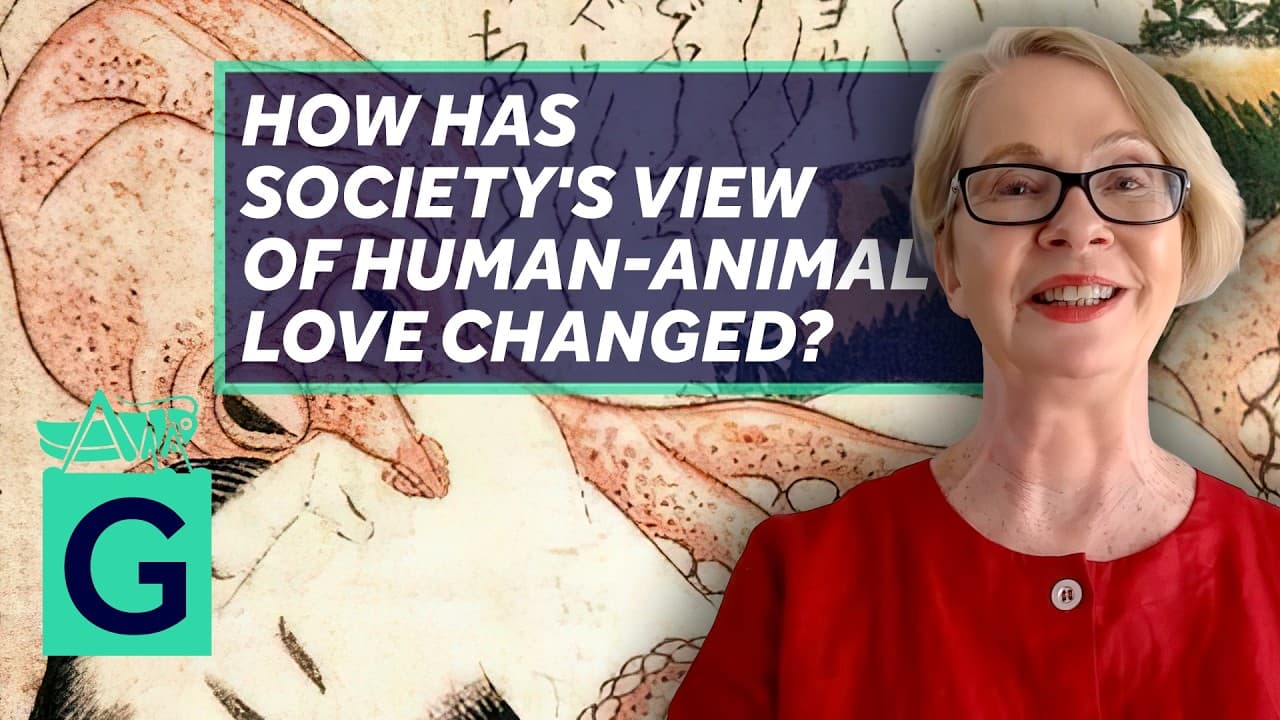
The taboo surrounding bestiality challenges human exceptionalism and invites a reevaluation of love and ethics in human-animal relationships. This exploration reveals changing societal attitudes, acknowledging animals' agency and needs, and suggests that genuine inter-species affection can flourish through compassion and understanding. The book promotes a shift from exploitation to ethical engagement, emphasizing the importance of recognizing emotional bonds beyond anthropocentrism.
Transcript
- Hello, look I'm thrilled that you can come to help me launch my new book called "Loving Animals" on bestiality, zoophilia and post-human love published by the incredible Reaction Box. Now, this book has actually been really long in the making. It fuses my interests in violence, in sex and sexuality, in the history of psychiatry and "What It Means... Read More
Key Insights
- ❓ Bestiality challenges the notion of human exceptionalism and prompts reflections on ethical treatment of animals.
- 💱 Societal attitudes towards bestiality have evolved from criminalization to decriminalization, influenced by changing norms and perspectives.
- 🥰 Inter-species love involves acknowledging the agency and needs of animals, advocating for mutual affection and respect.
- 🥰 Queerness offers a radical perspective on love, deconstructing traditional binaries and embracing diverse forms of affection.
- ❓ Interspecies communication and understanding are essential for fostering meaningful and fulfilling relationships with companion species.
- 📔 The book "Loving Animals" encourages a shift from violent and thoughtless interactions to compassionate and ethical engagements with animals.
- 🥰 Love, as a vulnerable and intimate emotion, transcends boundaries and invites humans to embrace genuine connections with non-human animals.
Install to Summarize YouTube Videos and Get Transcripts
Explore YouTube Video Summarizer or Get YouTube Transcript Extractor
Questions & Answers
Q: What is the central theme of the book "Loving Animals"?
The book delves into the taboo subject of bestiality, exploring human-animal relationships, societal perceptions, and the ethics of interspecies love, aiming to challenge norms and advocate for empathy.
Q: How does the concept of human exceptionalism relate to bestiality?
Human exceptionalism, rooted in the belief of human superiority over animals, sets the context for the taboo nature of bestiality. The prohibition of bestiality distinguishes humans from animals and upholds notions of superiority.
Q: What role did religion and law historically play in governing attitudes towards bestiality?
Religious prohibitions condemned bestiality as a major sin, with legal frameworks treating it as a punishable offense. Attitudes gradually shifted from criminalizing bestiality to decriminalization in modern times.
Q: How does the book advocate for a more compassionate approach to human-animal relationships?
By emphasizing the importance of communication, understanding, and mutual respect in inter-species relationships, the book challenges conventional notions of violence and advocates for ethical and loving interactions.
Summary & Key Takeaways
-
The speaker introduces their book "Loving Animals," delving into the taboo topic of bestiality and exploring human-animal love.
-
Discusses the history of human-animal relationships, societal norms, and the intersection of love, sexuality, and ethics.
-
Advocates for a deeper understanding of inter-species love and communication beyond anthropocentrism.
Read in Other Languages (beta)
Share This Summary 📚
Summarize YouTube Videos and Get Video Transcripts with 1-Click
Try YouTube Summary with ChatGPT & Claude or YouTube Transcript Generator
Explore More Summaries from Gresham College 📚
Summarize YouTube Videos and Get Video Transcripts with 1-Click
Try YouTube Summary with ChatGPT & Claude or YouTube Transcript Generator