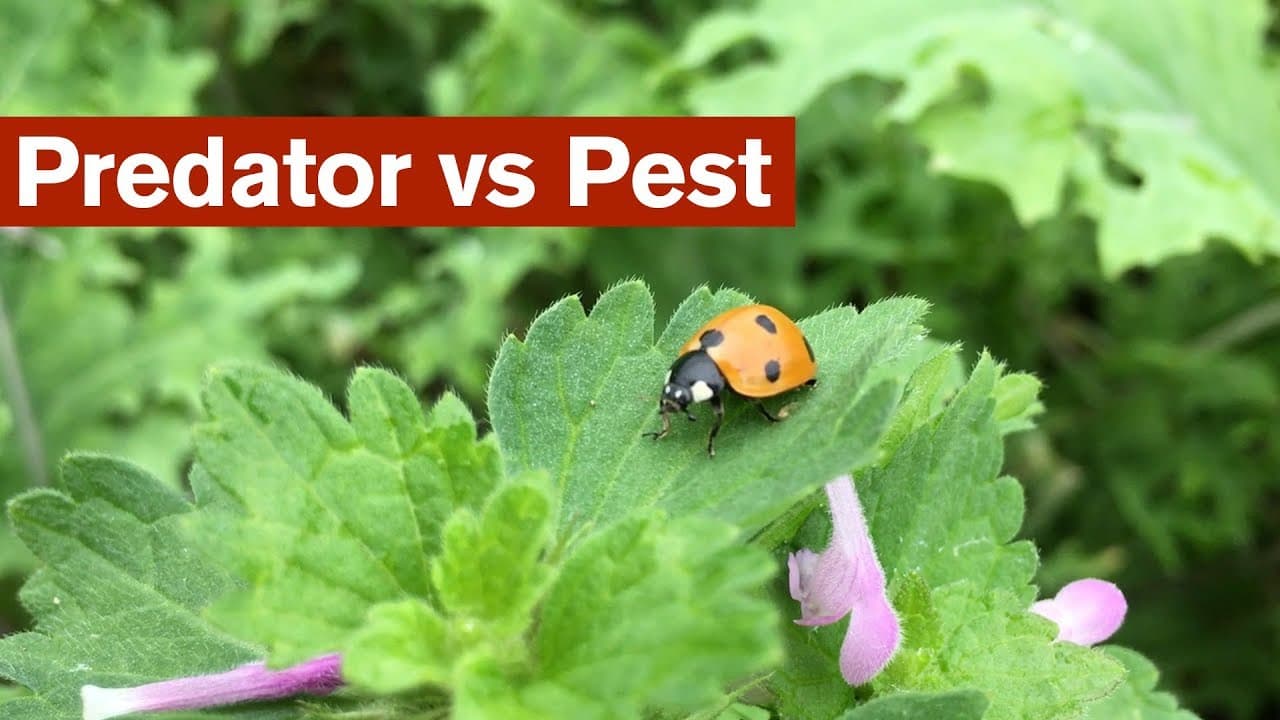
Predator vs Pest
TL;DR
Dealing with pests in the vegetable garden requires finding a balance between the use of pesticides, natural predators, and tolerating some level of damage.
Transcript
Pests can be a really big issues in vegetable gardens, although the specific pests that we have to deal with, and the damage that they can cause, can vary enormously with the climate and ecosystem that we are growing in. Dealing with pests can require a lot of time and resources, and methods used to eliminate them, or at least to reduce their impac... Read More
Key Insights
- ⚾ Pests in vegetable gardens vary based on climate and ecosystem, making pest control methods diverse and site-specific.
- 😒 Avoiding the use of pesticides can minimize collateral damage but requires finding alternative methods to control pests.
- 🎮 Balancing populations of pests and natural predators is essential for sustainable and effective pest control.
- ⚖️ Tolerance, patience, and observing ecosystem dynamics are necessary to maintain a healthy balance between pests and predators.
- 😋 Providing suitable habitat and food sources for natural predators can help control pest populations in gardens.
- ❓ The interplay between different species in an evolving landscape is complex and requires ongoing understanding and adaptation.
- 😋 Weather, seasonal fluctuations, and the availability of food sources can influence the dynamics between pests and predators.
Install to Summarize YouTube Videos and Get Transcripts
Explore YouTube Video Summarizer or Get YouTube Transcript Extractor
Questions & Answers
Q: What methods does the author use to control slugs in their vegetable garden?
The author prefers using barriers, traps, and manual removal to control slugs instead of using pesticide sprays or introducing animals like ducks. They emphasize the importance of finding the right balance between slugs and potential predators.
Q: How does the author deal with aphids in their garden?
The author encourages the population of ladybirds, known for their ability to prey on aphids. They observe the lifecycle of ladybirds and allow them enough time to eat aphids by avoiding other methods of aphid control.
Q: What approach does the author take to manage rat populations in their garden?
The author experiments with leaving space for natural rat predators like foxes, owls, and cats to control rat populations. They have observed a fox in their garden and hope it will help keep the rat population down.
Q: How does having natural predators in the garden affect the author's pest control strategies?
While the presence of natural predators can be beneficial, the author acknowledges the need for tolerance and patience. They recognize that maintaining a balance between pests and predators is crucial for long-term resilience in the garden.
Summary & Key Takeaways
-
Dealing with pests in vegetable gardens can be challenging and time-consuming, requiring a variety of methods such as barriers, traps, and manual removal.
-
Natural predators, such as hedgehogs, ladybirds, and foxes, can help control pests like slugs, aphids, and rats, but their presence depends on factors like habitat and prey availability.
-
Maintaining the balance between pests and natural predators is crucial, as overuse of pesticides or intervention may disrupt the ecosystem dynamics and lead to increased pest problems.
Read in Other Languages (beta)
Share This Summary 📚
Summarize YouTube Videos and Get Video Transcripts with 1-Click
Try YouTube Summary with ChatGPT & Claude or YouTube Transcript Generator