How 3D Printing Can Preserve History - Tech+Art | Genius: Picasso
TL;DR
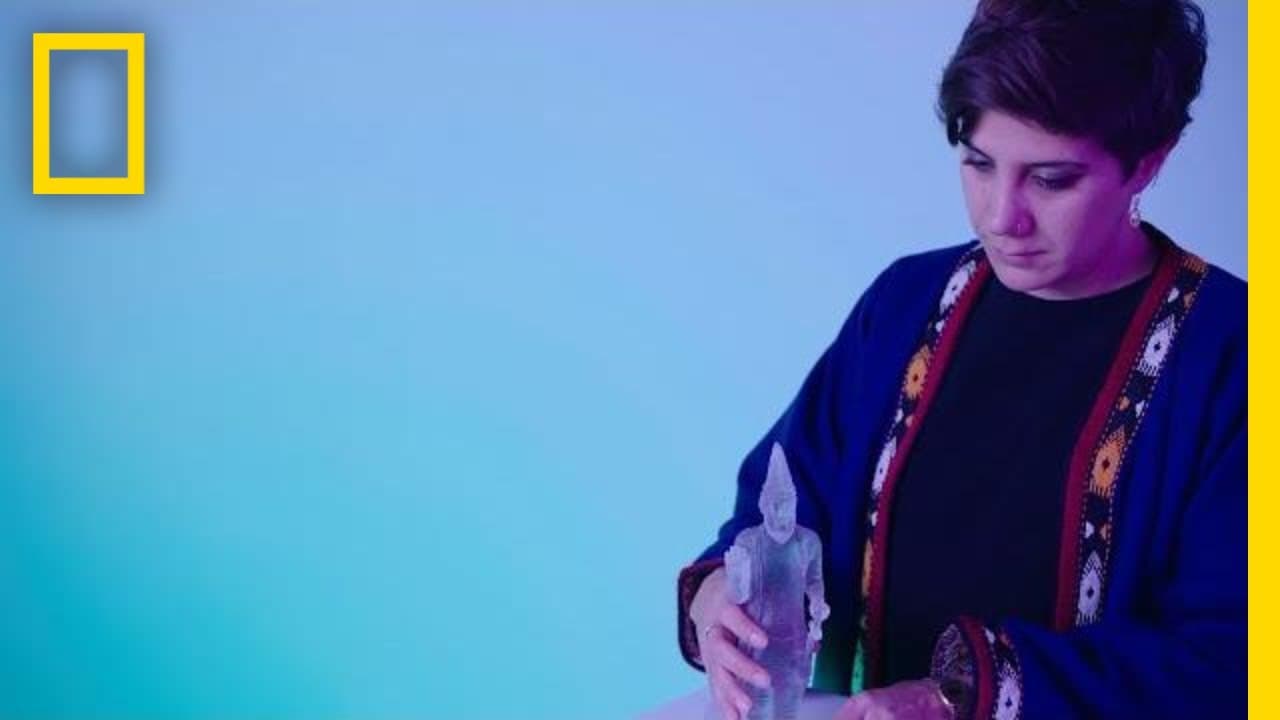
Artist uses 3D printing to recreate destroyed artifacts, embedding them with historical information for preservation.
Transcript
[electronica music] MOREHSHIN ALLAHYARI: I think genius is a word that gets used so much more for men, and I've always found that were very problematic. I'm here to change that, I guess. Here we are. I was doing a lot of 3D animation and 3D modeling. But just like seeing something that you modeled in a virtual space coming to life from this digital... Read More
Key Insights
- 🕵️♀️ Allayhari challenges the dominance of male figures in history and mythology by bringing back female dark goddess figures from Middle Eastern narratives.
- 🛟 Technology, particularly 3D printing, offers a powerful tool for preserving and sharing cultural heritage.
- 🥰 The fusion of art, technology, and history can create a platform for reimagining and retelling stories for a more inclusive future.
- 🛩️ By making small changes and utilizing technology, Allayhari believes in the potential for significant macro impacts.
- 💦 Through her work, Allayhari highlights the importance of access to technology and the potential for both positive and negative outcomes.
- 😚 The project showcases the power of using innovative methods to save artifacts that were meant to be lost or destroyed.
- 💁 Allayhari's initiative to embed artifacts with historical information ensures the preservation and dissemination of valuable knowledge for future generations.
Install to Summarize YouTube Videos and Get Transcripts
Explore YouTube Video Summarizer or Get YouTube Transcript Extractor
Questions & Answers
Q: How does Morehshin Allayhari use 3D printing to recreate destroyed artifacts?
Allayhari 3D prints the artifacts based on images, embeds them with a memory card containing historical information, and shares them with the public to preserve and remember these important pieces.
Q: What inspired Allayhari to start this project?
Allayhari was inspired by the destruction of artifacts in the Mosul Museum by ISIS and aimed to use 3D printing technology to resurrect these lost pieces and ensure their preservation.
Q: What materials does Allayhari use for the 3D printed artifacts?
Allayhari chooses resin as the material for the artifacts, as it resembles dense materials like stone and gives the objects a ghostly appearance, maintaining a connection to the original material.
Q: What is the significance of embedding historical information in the artifacts?
By embedding the artifacts with historical information, Allayhari ensures that their stories and importance are not lost, allowing people to learn about and appreciate these cultural relics.
Summary & Key Takeaways
-
Morehshin Allayhari uses 3D printing to bring destroyed artifacts back to life, embedding them with historical information.
-
Each artifact contains a memory card with PDF files, images, and videos, preserving lost information.
-
By sharing the artifacts and their stories, Allayhari aims to save and remember these important pieces of history.
Read in Other Languages (beta)
Share This Summary 📚
Summarize YouTube Videos and Get Video Transcripts with 1-Click
Try YouTube Summary with ChatGPT & Claude or YouTube Transcript Generator
Explore More Summaries from National Geographic 📚



Summarize YouTube Videos and Get Video Transcripts with 1-Click
Try YouTube Summary with ChatGPT & Claude or YouTube Transcript Generator