8 Minute Explanation Of India's Economic Structure - RBI, Finance Ministry & Policy
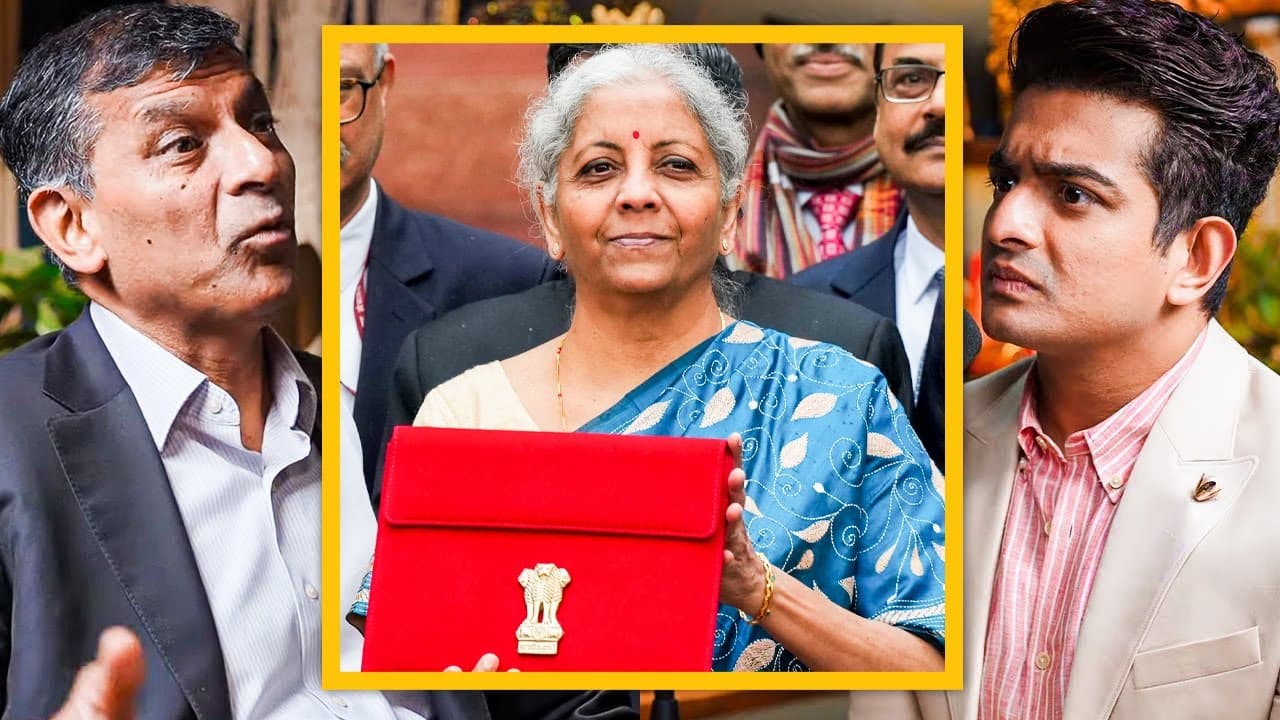
TL;DR
The roles of RBI Governor, Chief Economic Advisor, and Finance Ministry differ in managing India's economy.
Transcript
Happ us through Curiosity on the ren show how is the RBI Governor's role different from the chief economic advisor different from the people within the finance ministry and the finance minister so the RBI Governor does a bunch of things one of course is they uh govern the money supply uh I mean most people understand it is RBI prints notes it print... Read More
Key Insights
- 🖐️ The RBI plays a critical role in managing inflation and liquidity through monetary policies while the Finance Ministry focuses on political promises and growth.
- ✊ Establishing a Monetary Policy Committee has enhanced decision-making in the RBI, dispersing power and encouraging diverse economic perspectives.
- 🍉 The Chief Economic Advisor ensures economic decisions are data-driven and strategically sound, balancing short-term populism with long-term growth.
- 🥅 Tensions between political goals and economic stability often surface, especially during election periods, influencing the RBI’s independent stance.
- ⚖️ Each economic role is essential for fostering healthy checks and balances within India's complex governance structure, enhancing overall economic resilience.
- 🥺 The intertwining of personal relationships and roles within government can lead to unexpected shifts in policy advocacy and reception.
- 🫡 A culture of cooperation and mutual respect among these economic leaders is necessary for achieving comprehensive economic health in India.
Install to Summarize YouTube Videos and Get Transcripts
Explore YouTube Video Summarizer or Get YouTube Transcript Extractor
Questions & Answers
Q: What are the primary responsibilities of the RBI Governor?
The RBI Governor is responsible for managing the money supply and establishing interest rates to control inflation and support economic growth. The governor also oversees the nation's liquidity and reserves, ensuring that monetary policies are effectively implemented and adjusted according to economic conditions. This role is crucial, especially when balancing inflation control with the need for economic development.
Q: How does the Finance Ministry's role differ from that of the RBI?
The Finance Ministry is led by a politician focused on fulfilling governmental promises and driving economic growth, while the RBI functions more as an independent technocratic institution. Although both work towards the common goals of growth and low inflation, their methods may diverge, particularly when political incentives rise during election cycles or economic pressures demand differing approaches.
Q: What function does the Chief Economic Advisor serve within the economic framework?
The Chief Economic Advisor serves as a technical consultant to the Finance Minister, guiding fiscal policy decisions. This role involves advising on the economic implications of tax changes and investment incentives, ensuring that the government’s economic strategies are aligned with sound economic principles while considering trade-offs that affect growth and inflation.
Q: Can you elaborate on the relationship dynamics between the RBI and the Finance Ministry?
The relationship between the RBI and the Finance Ministry is complex, resembling a co-founder's dynamic where one side seeks aggressive growth while the other prioritizes stability. This partnership often fosters constructive dialogue but can lead to conflict, especially when political motives clash with long-term economic stability. Such checks and balances are necessary for effective governance in India.
Q: How do power dynamics influence the economic decision-making process in India?
Power dynamics play a significant role in economic decision-making in India, as the RBI Governor is appointed by the Finance Minister, creating inherent tensions. Individual past relationships and previous roles can shape perspectives and policymaking. These dynamics necessitate a level of independence for institutions, allowing them to operate without undue influence while still being accountable within the governmental framework.
Q: In what ways do external pressures affect the RBI's independence?
External pressures, particularly political ones during election cycles, can challenge the RBI's independence. Politicians may advocate for lower interest rates or certain monetary policies to stimulate growth or gain favor with voters. The RBI, focusing on longer-term stability, must navigate these pressures carefully while maintaining its core mandate of controlling inflation and ensuring economic health.
Q: What is the significance of having both a Chief Economic Advisor and an RBI Governor?
Having both a Chief Economic Advisor and an RBI Governor ensures a balanced approach to economic policy. While the CEA provides strategic advice focused on responsive fiscal policies to drive growth, the RBI Governor emphasizes monetary stability. This dual perspective helps align immediate government objectives with sustainable economic strategies, benefiting the overall economy.
Q: Can you share an example illustrating the complexity of these roles?
An intriguing example is a former official who, while on the Finance Ministry's aggressive side, later took on the role of RBI Deputy Governor. In his new position, he found himself rejecting proposals he previously advocated for, highlighting the nuanced interplay between these roles. This demonstrates that individuals in government must adapt their perspectives based on their current responsibilities, ensuring that each institution's goals are met while maintaining comprehensive economic oversight.
Summary & Key Takeaways
-
The RBI Governor manages the money supply, interest rates, and inflation, acting as a technocratic figure to ensure long-term economic stability, while the Finance Ministry focuses on implementing government promises and boosting growth.
-
The Chief Economic Advisor provides crucial economic advice to the Finance Minister on policy decisions, weighing the impact of tax cuts on growth versus inflation, facilitating a balanced approach to economic strategy.
-
The dynamics between these roles sometimes lead to conflicting interests, especially during election periods, but ultimately, cooperation and checks and balances are essential for effective governance in India's complex economic framework.
Read in Other Languages (beta)
Share This Summary 📚
Summarize YouTube Videos and Get Video Transcripts with 1-Click
Try YouTube Summary with ChatGPT & Claude or YouTube Transcript Generator
Explore More Summaries from TRS Clips 📚





Summarize YouTube Videos and Get Video Transcripts with 1-Click
Try YouTube Summary with ChatGPT & Claude or YouTube Transcript Generator